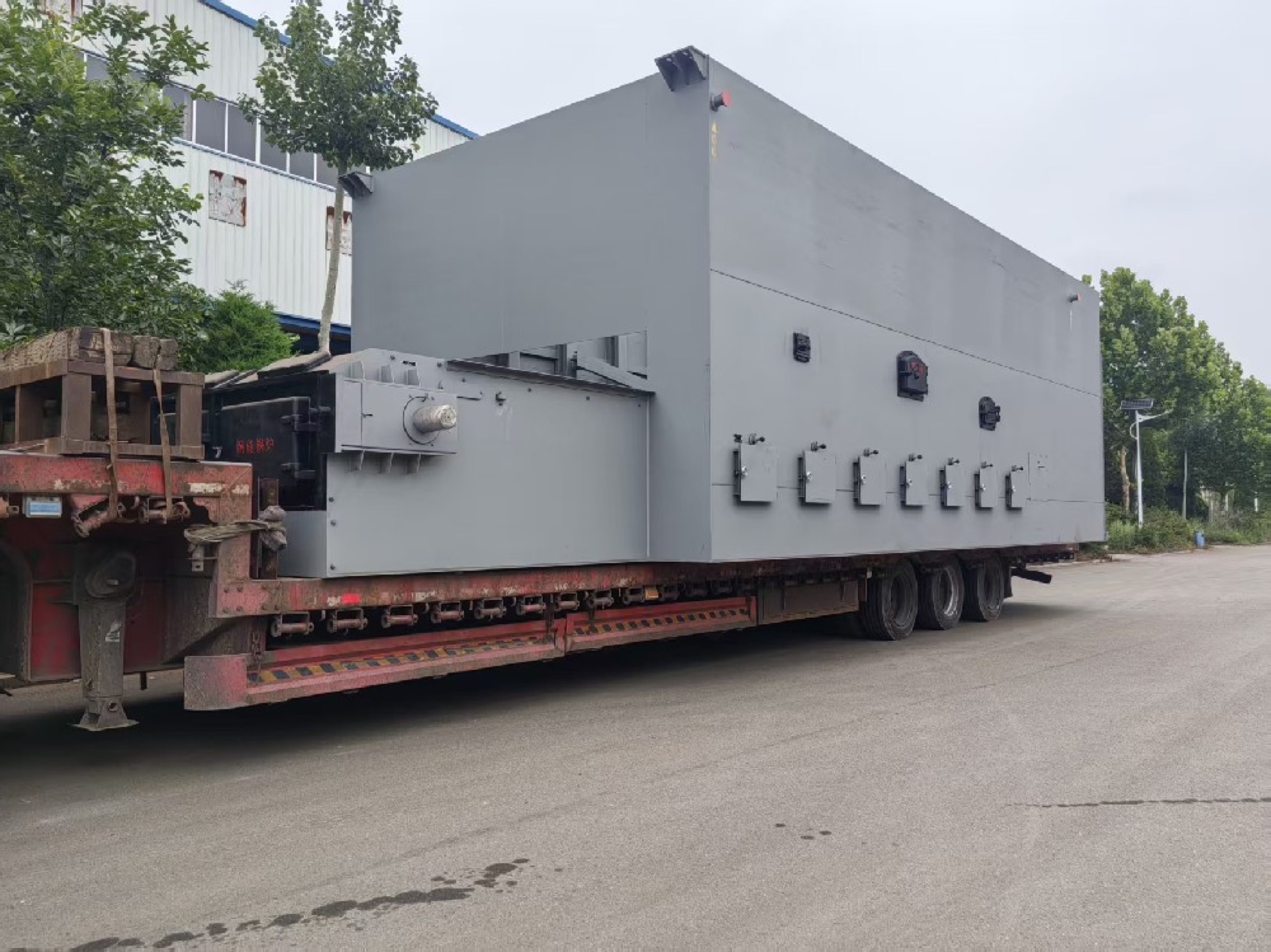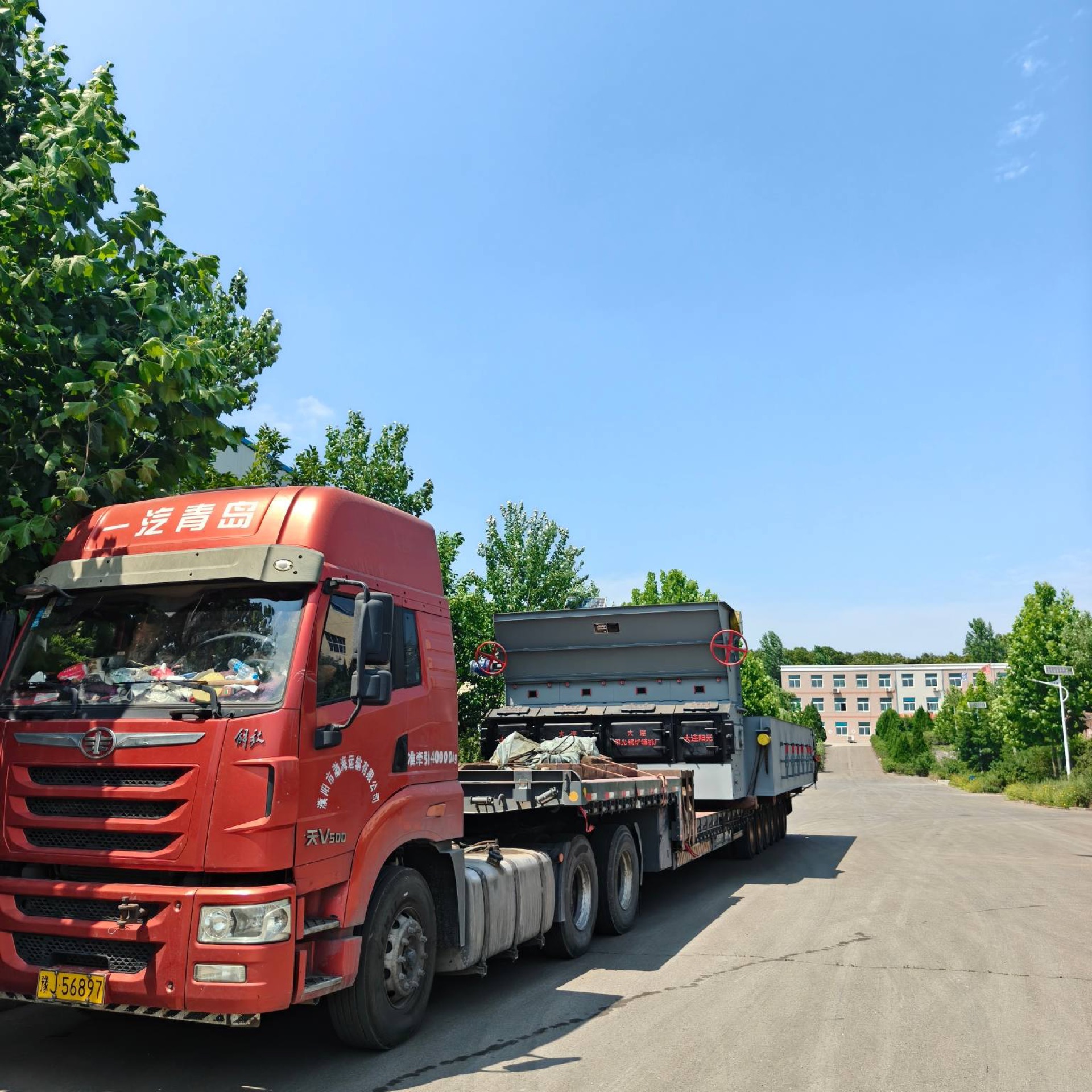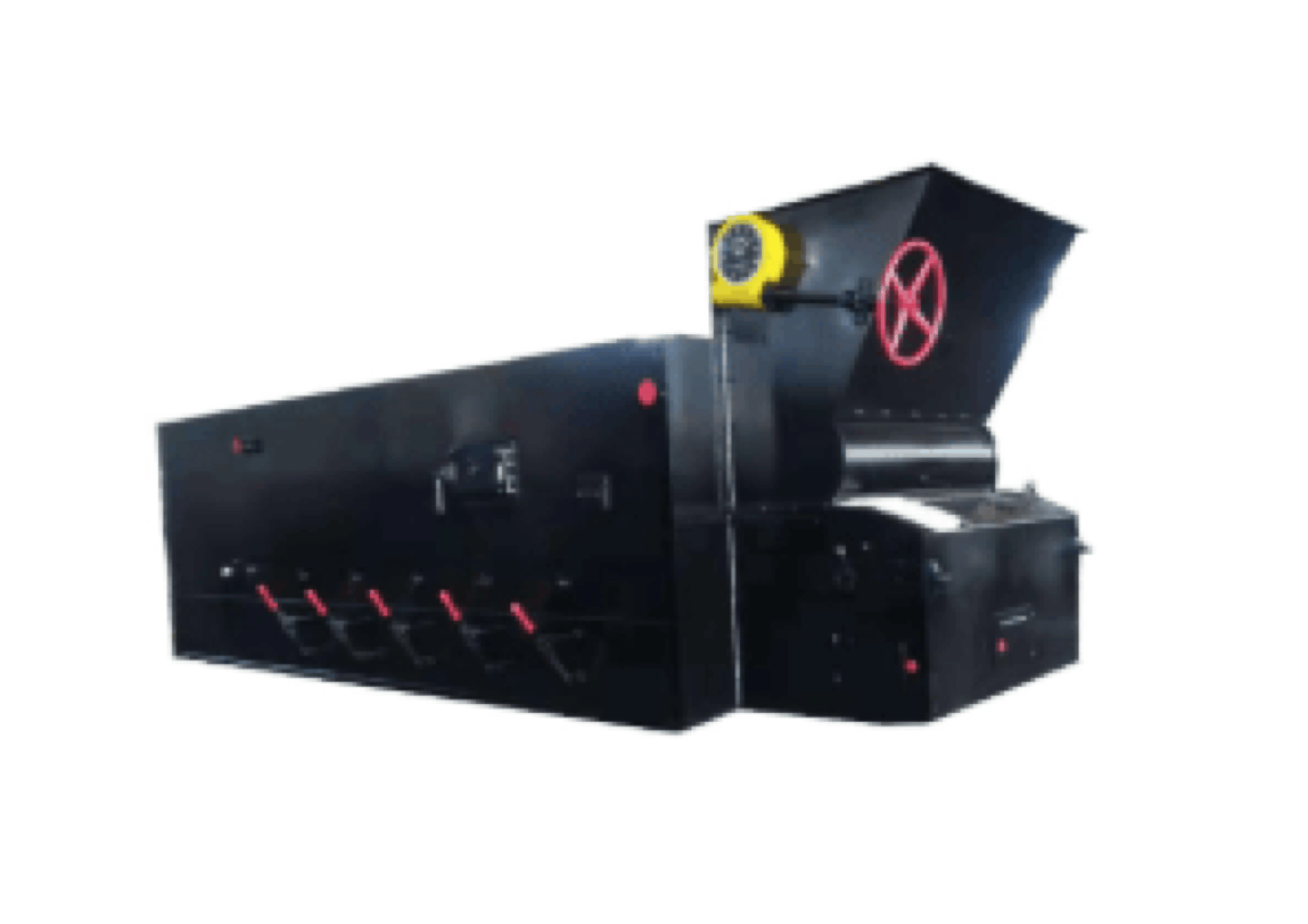

6 million kcal biomass reciprocating grate hot-air furnace
Based on the search results relating to the compatibility between hot-air furnaces and grates, the grate tonnage matched to a 6 million kcal hot-air furnace can be summarized as follows:
The stepped reciprocating forward-push grate design of waste incinerators can achieve a design processing capacity of 300–600 tons, but this figure may be for larger-scale or specific incineration scenarios.
For conventional hot-air furnace applications, the chain/reciprocating grate matched to the 6 million kcal hot-air furnace provided by Dalian Sunshine Company
generally corresponds to the 10-ton boiler class, and the specific model needs to be confirmed against the manufacturer’s technical parameters.
In a gas hot-air furnace case in Shandong, the coal-fired boiler tonnage matched to the related dust removal equipment was 10–30 tons, which indirectly reflects that the grate processing capacity may fall within this range.
Comprehensive recommendation
The grate tonnage matched to a 6 million kcal hot-air furnace is generally around 10 tons, but it needs to be further adjusted according to the fuel type (such as biomass or gas),
combustion efficiency and grate design. When actually selecting, it is advisable to refer to the specific manufacturer’s technical documentation or contact the supplier to verify.
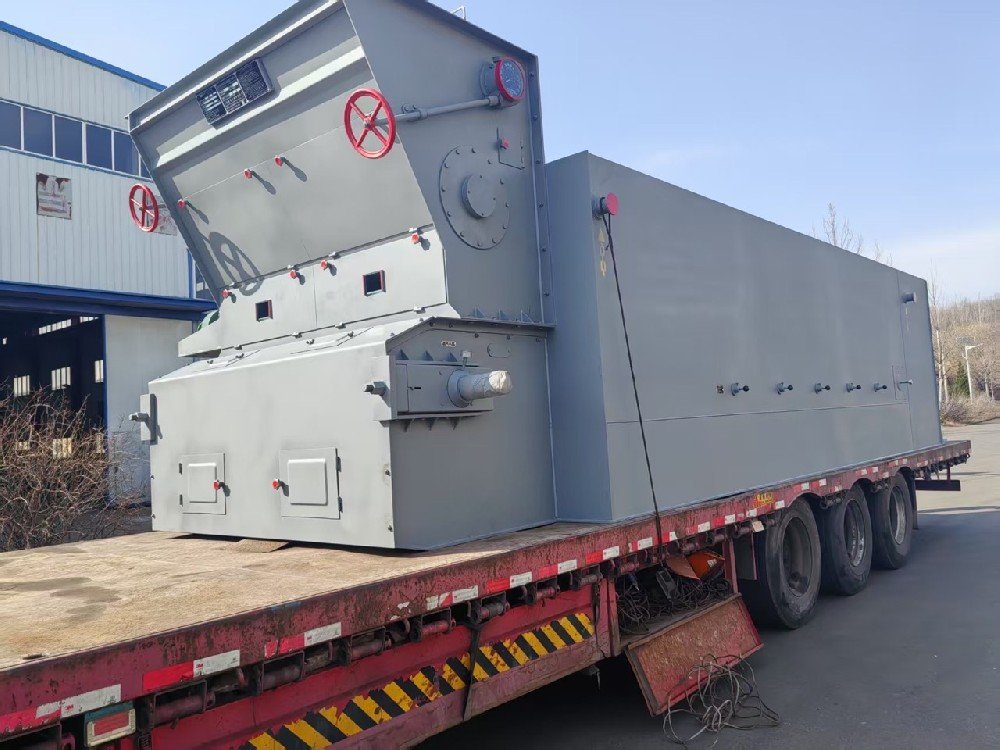
The chain grate consists of a hopper, front and rear shaft assemblies, grate bars and the like. The fuel is fed evenly into the furnace chamber through the movement of the chain,
with little fuel leakage and low ventilation resistance; it runs steadily with low wear, but requires high manufacturing and installation precision to avoid problems such as tracking deviation and jamming.
The chain grate achieves even fuel distribution through continuous feeding, and the thermal efficiency can be improved by combining it with an air preheating system.
The selection of a biomass grate needs to take into account fuel characteristics, operating requirements and maintenance cost. The chain grate suits continuous, stable operation scenarios, while the reciprocating grate emphasizes combustion efficiency but requires more frequent maintenance.