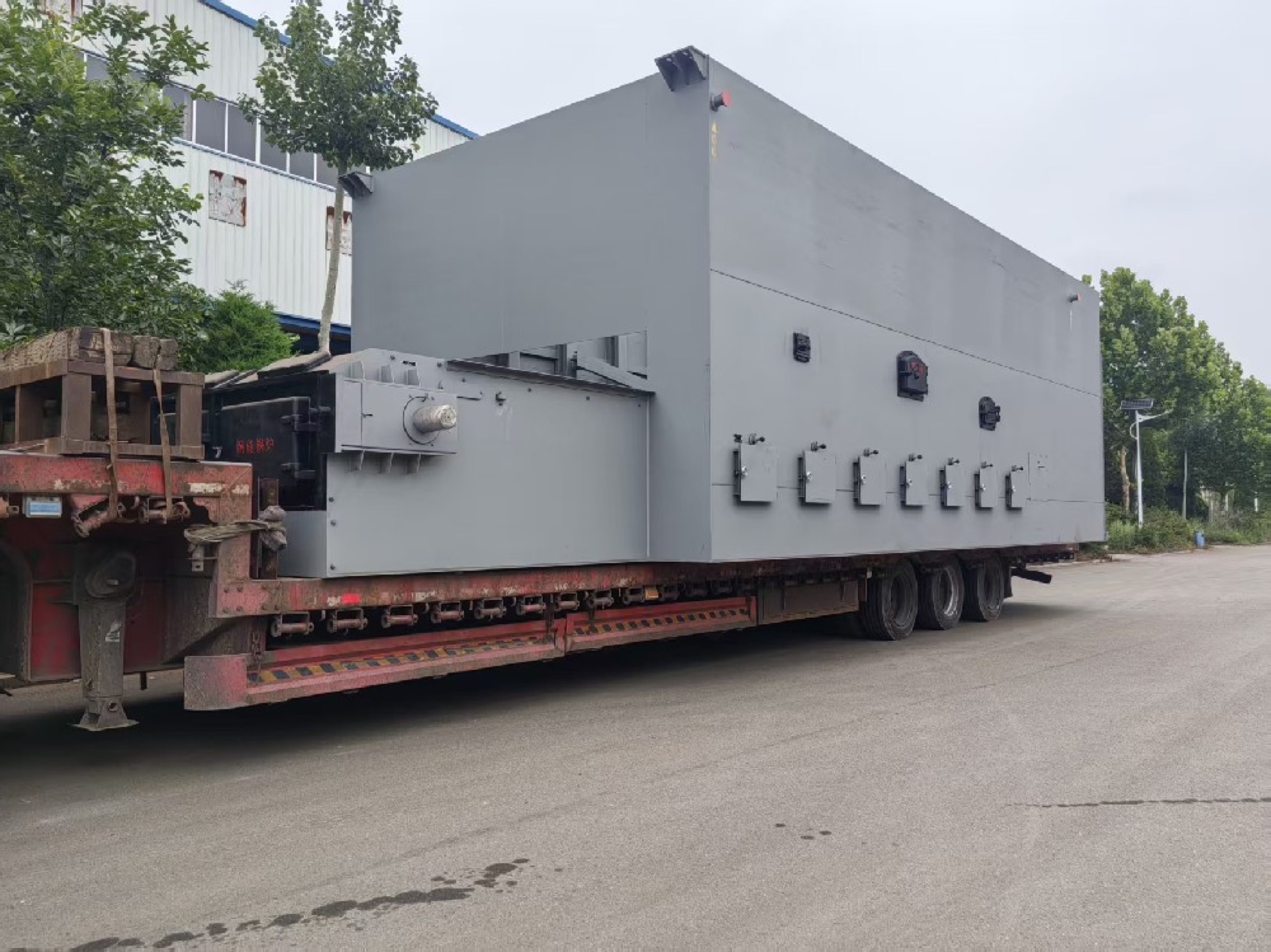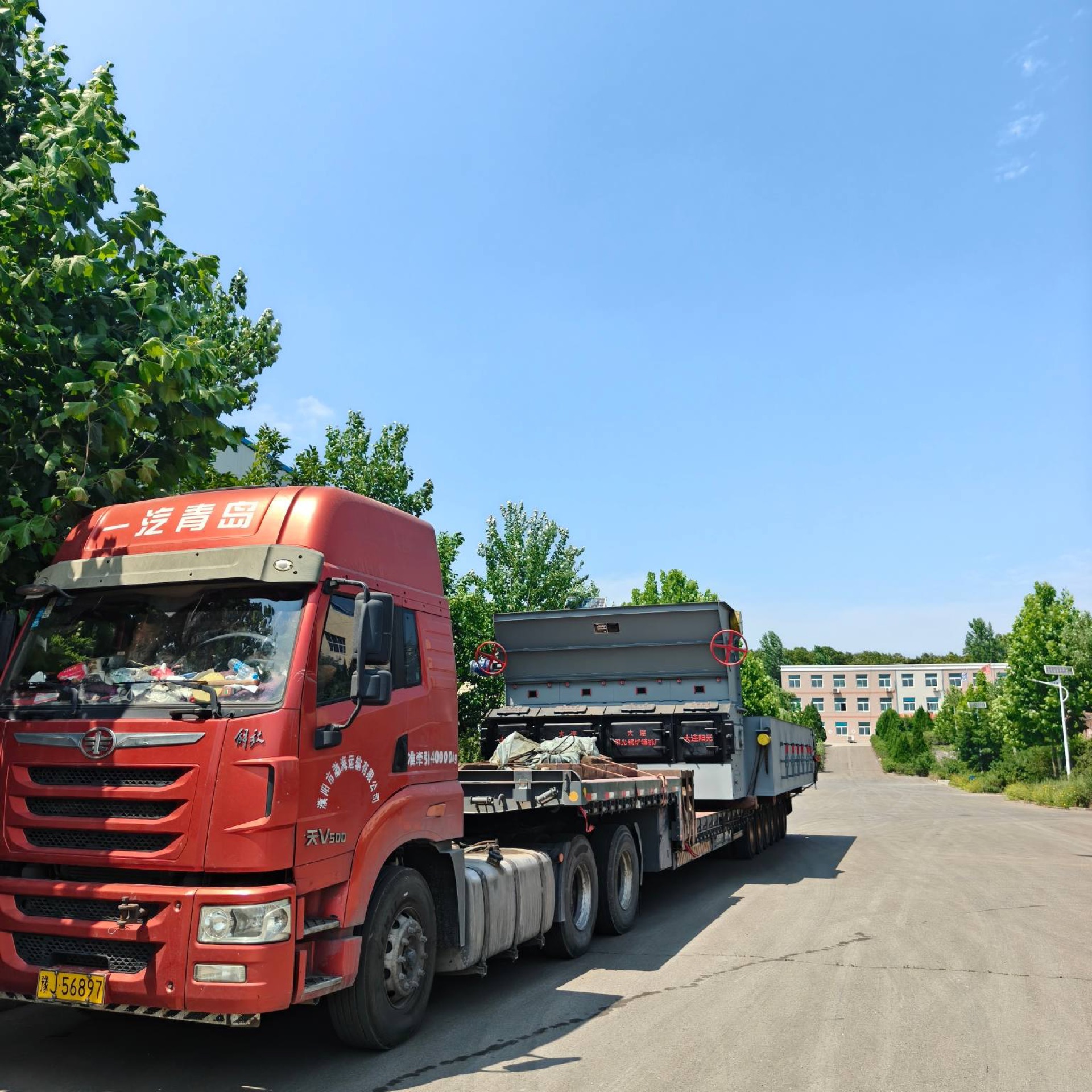

We supplied an 8-ton chain grate
We have shipped an 8-ton chain grate from our partner factory.
On a chain grate, the grate surface is the chain itself: sprockets drive the chain so that the grate bars travel slowly. The bars are usually made of cast iron; once assembled, the necessary ventilation gaps are kept between bars, and a segmented air compartment with adjustable airflow is often placed beneath the grate so that air passes through the gaps into the fuel layer to support combustion.
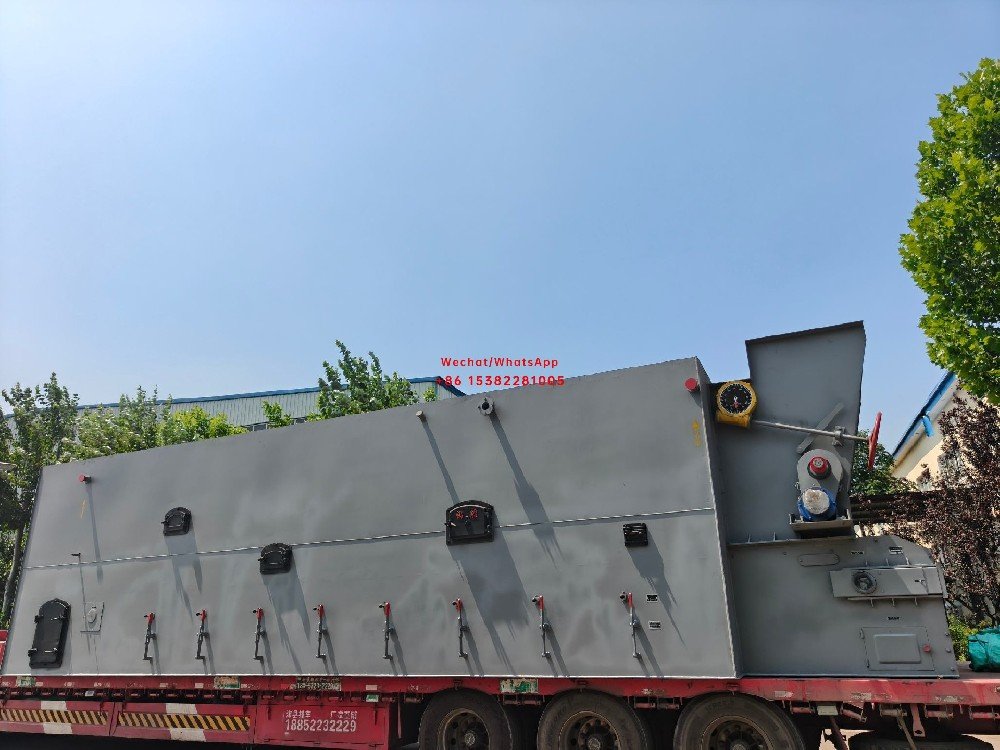
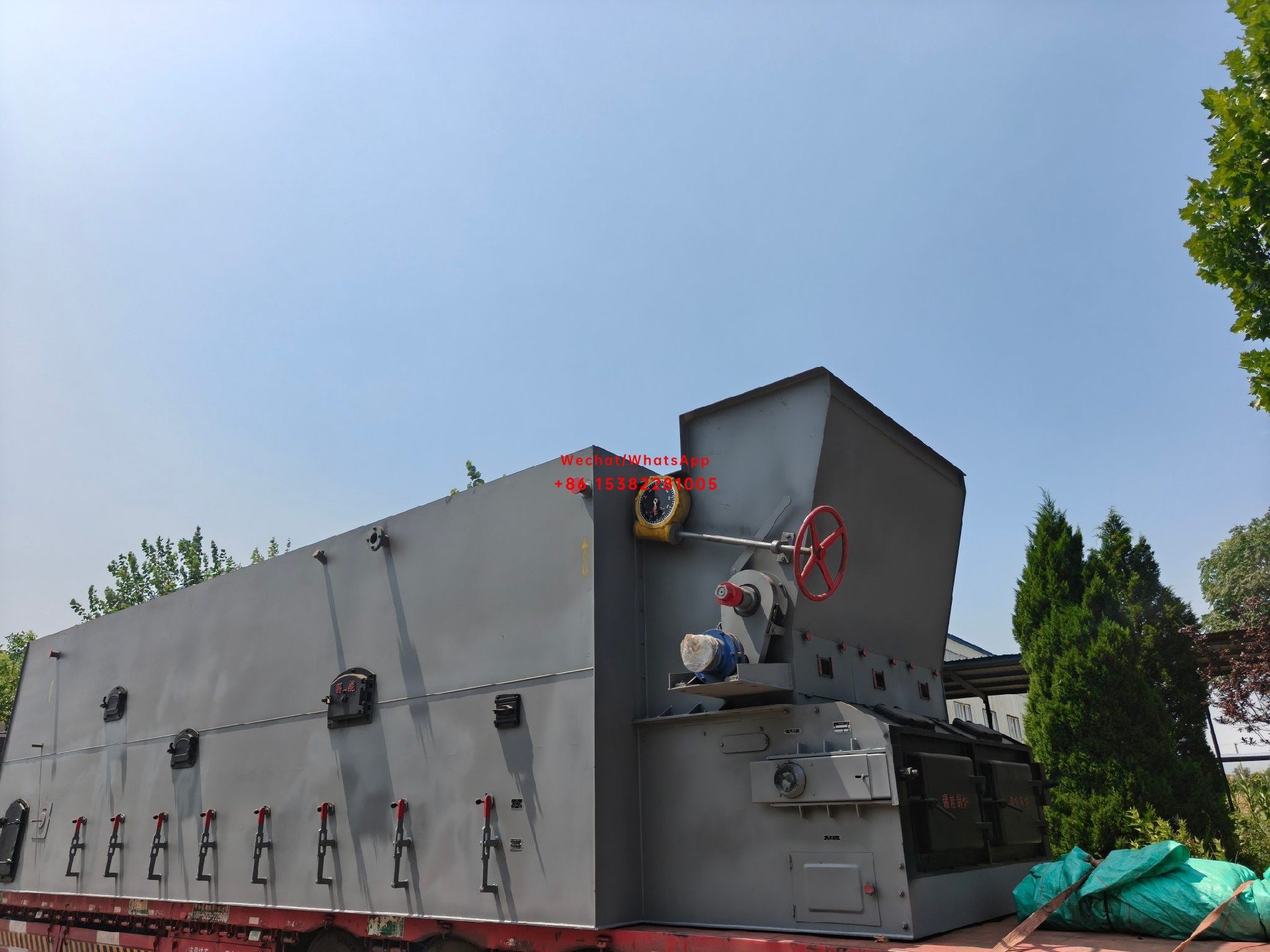
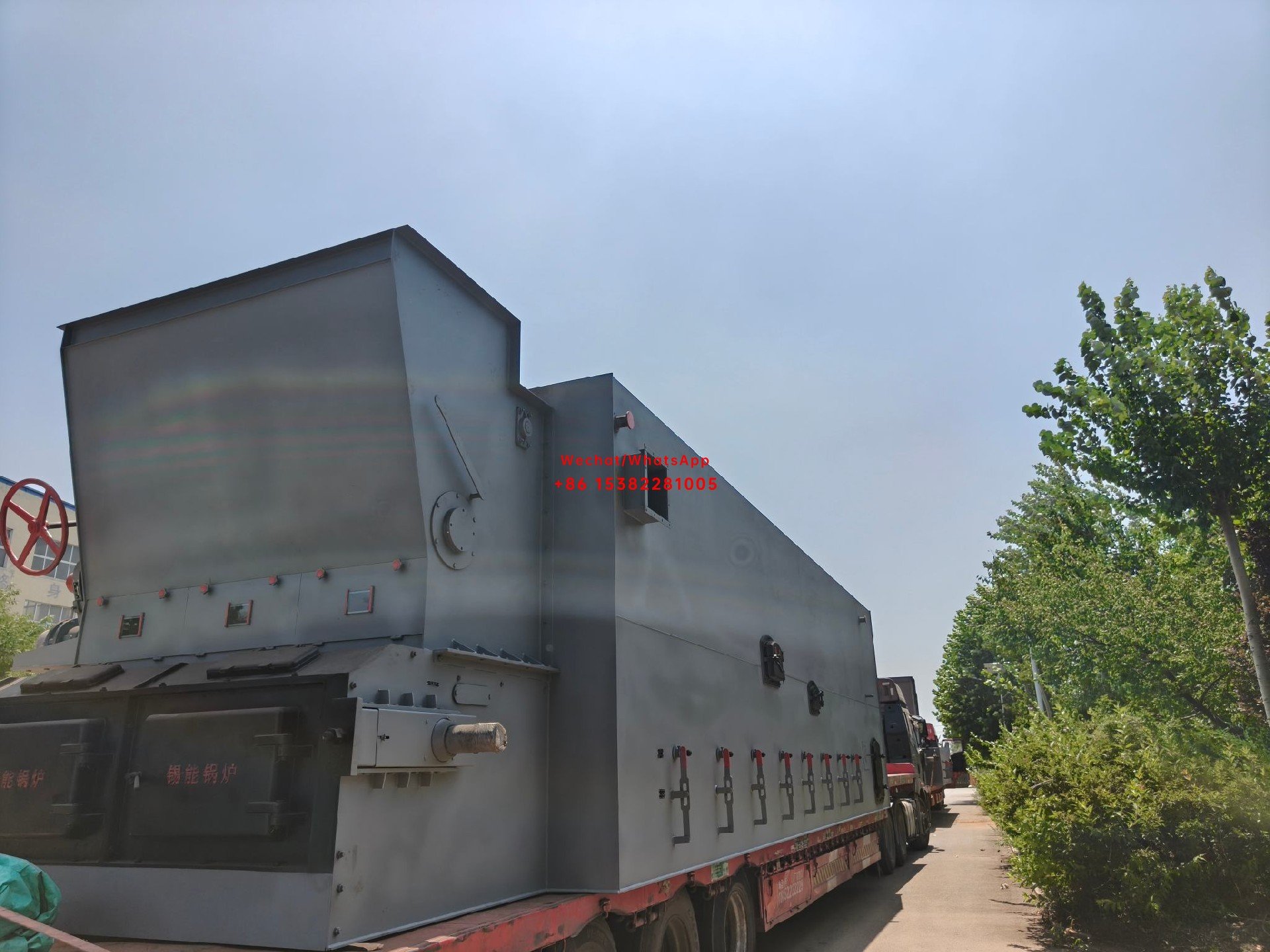
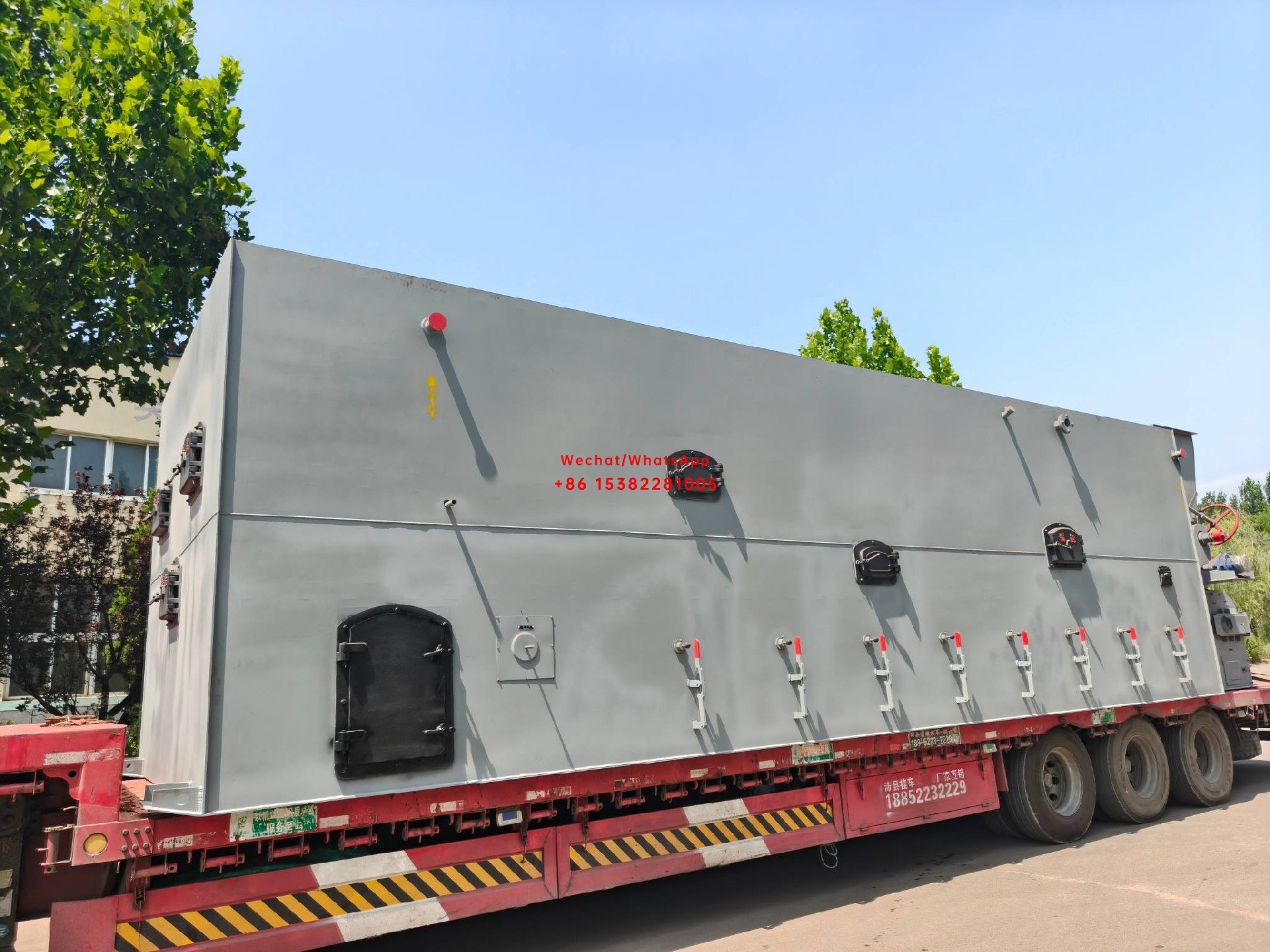
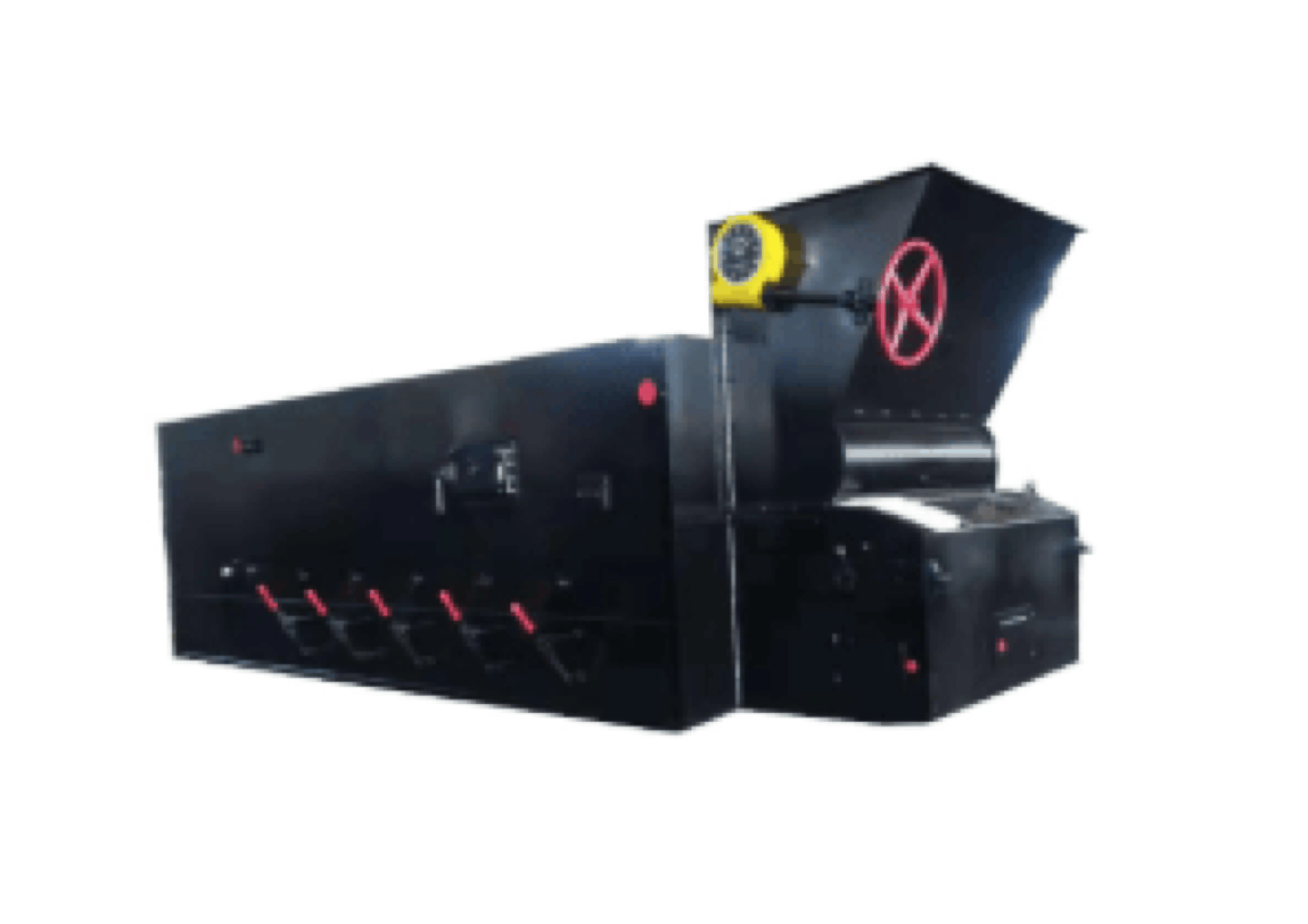
Coal falls evenly from the hopper at the front of the grate onto the grate surface, and the fuel-bed thickness is adjusted by a coal gate that moves up and down. As the grate moves rearward, the coal ignites, burns, and finally burns out. The ash and slag are removed manually or mechanically. Alternatively, instead of feeding by hopper, a stoker can throw coal onto the rear of the grate while the grate moves forward. The grate speed is regulated by a gear transmission according to the coal type and boiler load.
The chain grate can be used for boilers with an evaporation capacity of 1–30 t/h, suitable for bituminous coal, lignite, and peat. It can also be used as equipment for burning biomass fuels such as bagasse, wood, and rice husks.
Scope of application: the chain grate is a mechanized stoker-fired grate that can be used for boilers with an evaporation capacity of 1–25 t/h, as well as in various heating and drying equipment. It suits bituminous coal, lignite, and peat. With special design, it can also be used as equipment for burning biomass fuels such as bagasse, wood, and rice husks.