
Working principles and characteristics of chain grates and cross-beam grates
Working principles and characteristics of chain grates and cross-beam grates
In the field of industrial boilers, chain grates and cross-beam grates are two common types of grate that play a key role in the fuel combustion process, each with its own unique working principle and characteristics.
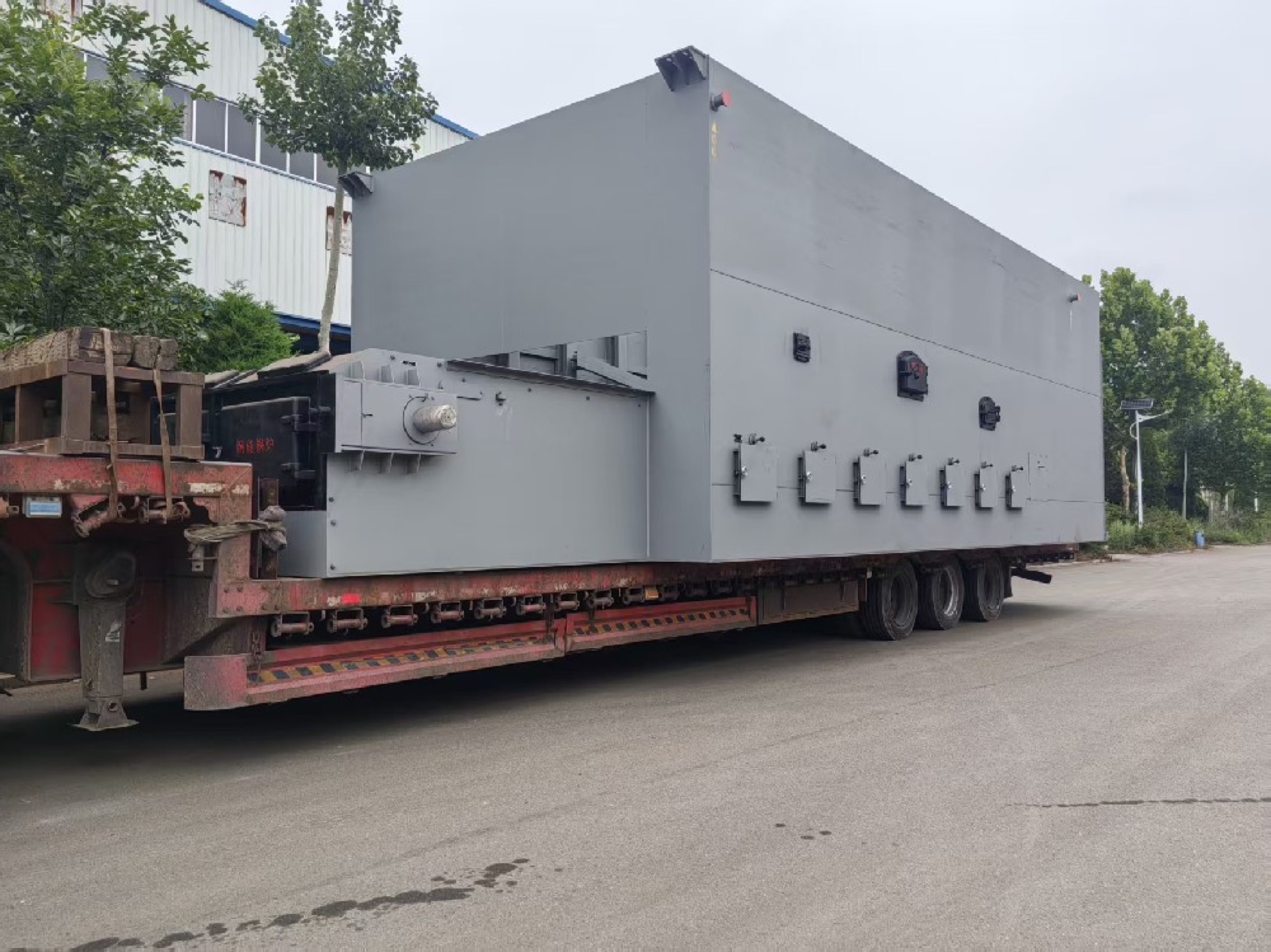
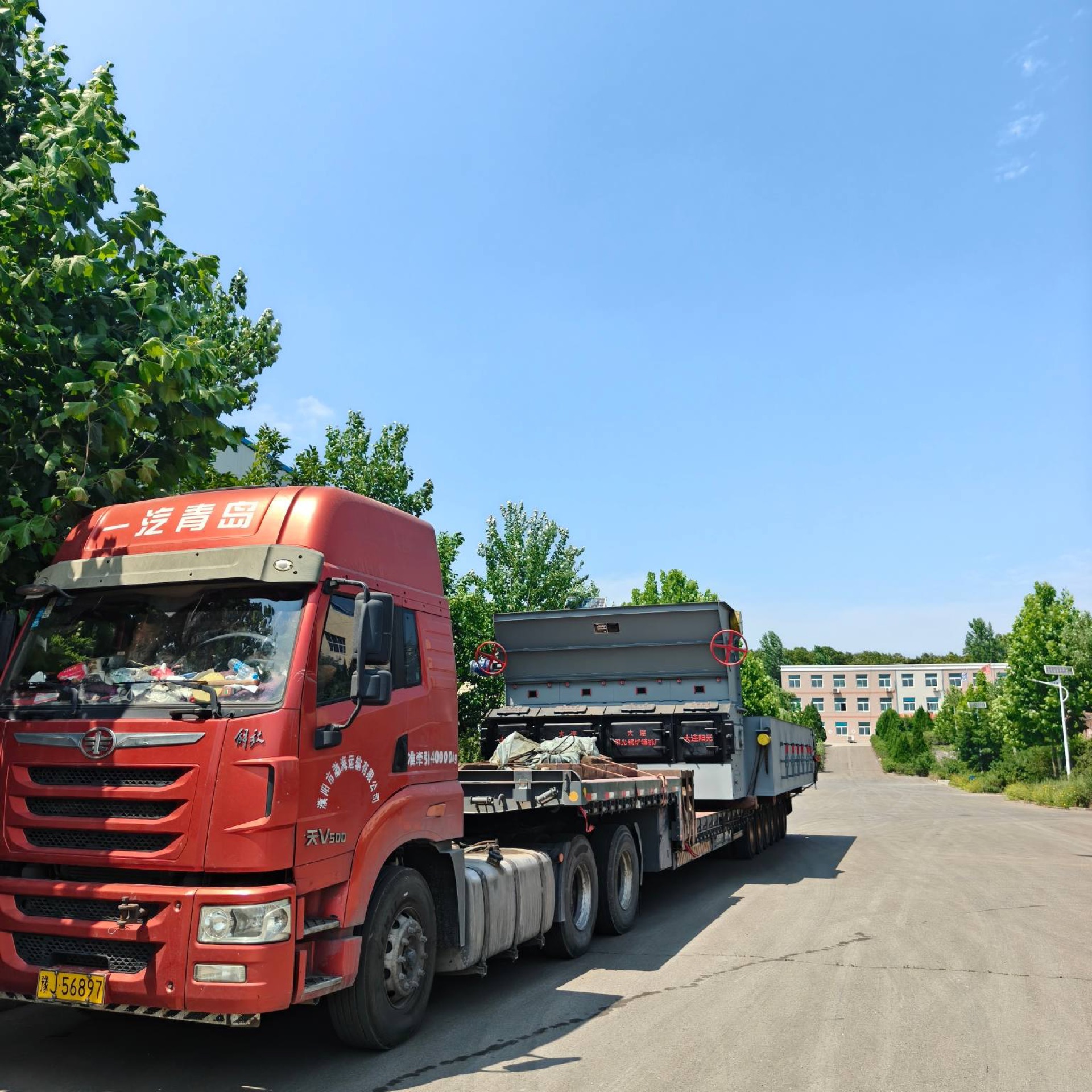
The working principle of the chain grate is like a precision conveyor belt. It consists of a driving sprocket, a driven sprocket and the chain that surrounds them. Numerous grate bars are mounted on the chain, and fuel is spread evenly onto the grate bars from the front end of the grate. As the chain turns slowly, the fuel is gradually carried into the furnace chamber. Inside the furnace, the air chamber below the grate supplies an appropriate amount of air, which flows upward through the gaps between the grate bars, comes into contact with the fuel and triggers the combustion reaction. During combustion, the fuel moves backward along with the grate while undergoing stages such as drying, volatile release and char combustion. The advantages of the chain grate are notable: its structure is relatively simple, its operation is stable and reliable, it enables continuous feeding so that the combustion process is fairly steady, and it has strong adaptability to fuel — whether lump coal or granular biomass fuel, it can burn well on a chain grate. However, the chain grate also has some limitations. For example, due to the way the grate bars move, uneven fuel distribution can occur during combustion, leading to locally incomplete combustion that affects the boiler’s thermal efficiency. Moreover, after long periods of operation, the grate bars of a chain grate are prone to wear and require regular maintenance and replacement.
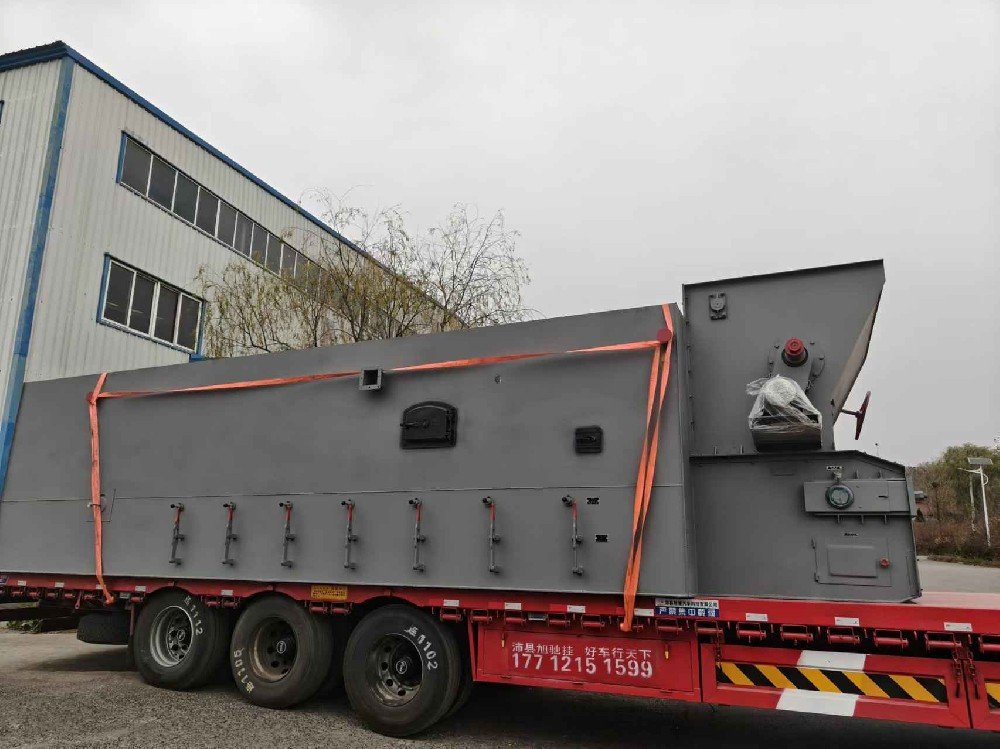
The cross-beam grate, by contrast, adopts a different structural design. It consists of a series of transversely arranged cross beams, with the grate bars mounted on the beams. Fuel likewise enters the furnace from the front end of the grate, and during combustion the air is delivered into the furnace through the air channels between the beams to supply the oxygen needed for combustion. The advantage of the cross-beam grate lies in the relatively secure fixing of its grate bars, which enables it to bear greater fuel weight and combustion impact, making it especially suitable for burning large, high-ash fuels. Moreover, the air distribution of the cross-beam grate is relatively even, which helps improve combustion efficiency and reduce losses from incomplete combustion. However, the structure of the cross-beam grate is relatively complex, and its manufacturing and installation costs are higher, with stricter requirements for installation precision and maintenance skill. Once a beam or grate bar fails, maintenance is more difficult and may require a long shutdown for repair, which to some extent affects the continuity of production.
In summary, chain grates and cross-beam grates each have their own merits in industrial boiler applications. When actually selecting a grate type, it is necessary to comprehensively consider factors such as fuel characteristics, boiler capacity, operating cost and maintenance requirements, so as to ensure that the boiler operates efficiently, stably and economically and meets the energy needs of industrial production.