
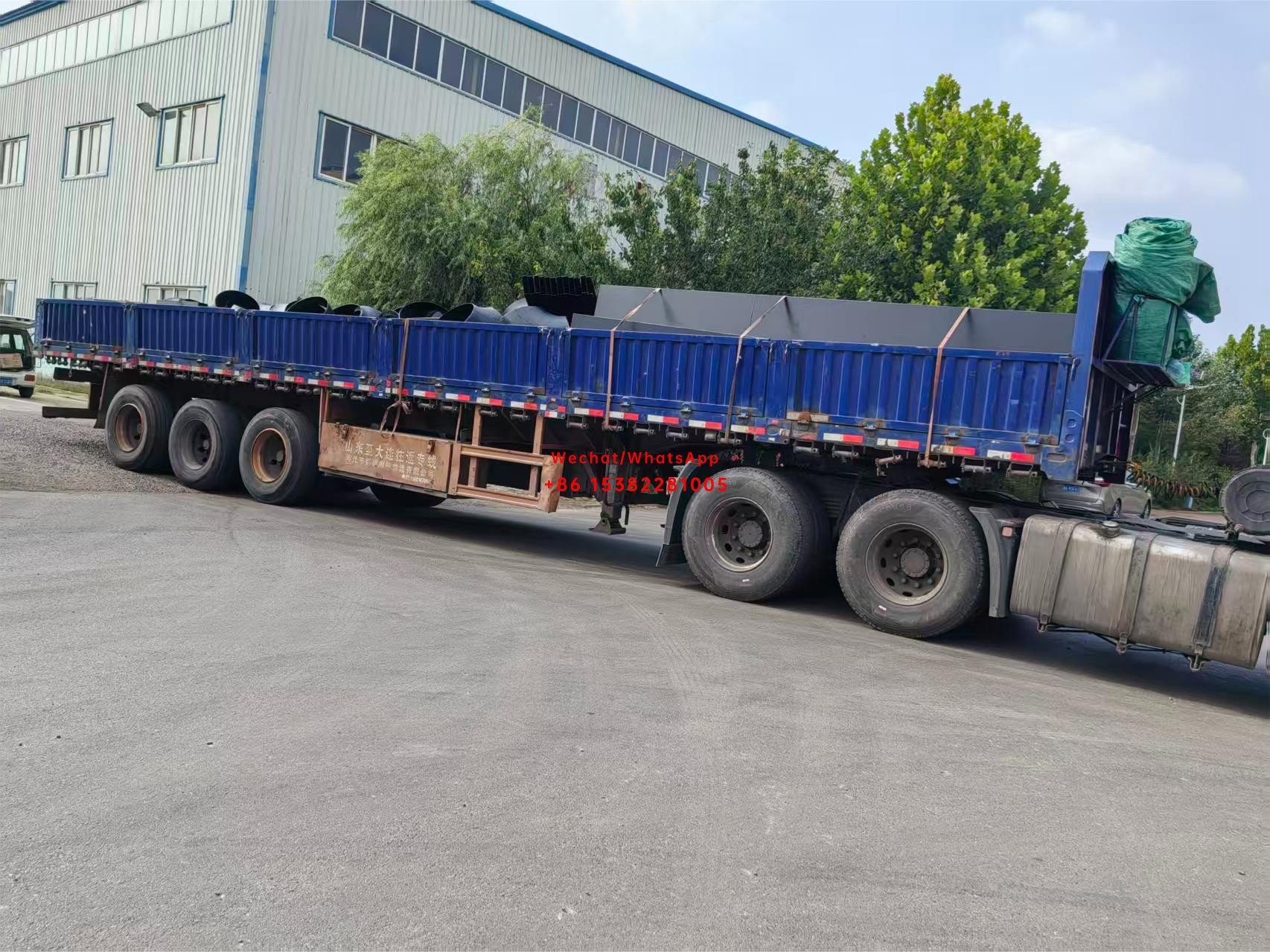
3 sets of grate cooling-air systems shipped to Shandong
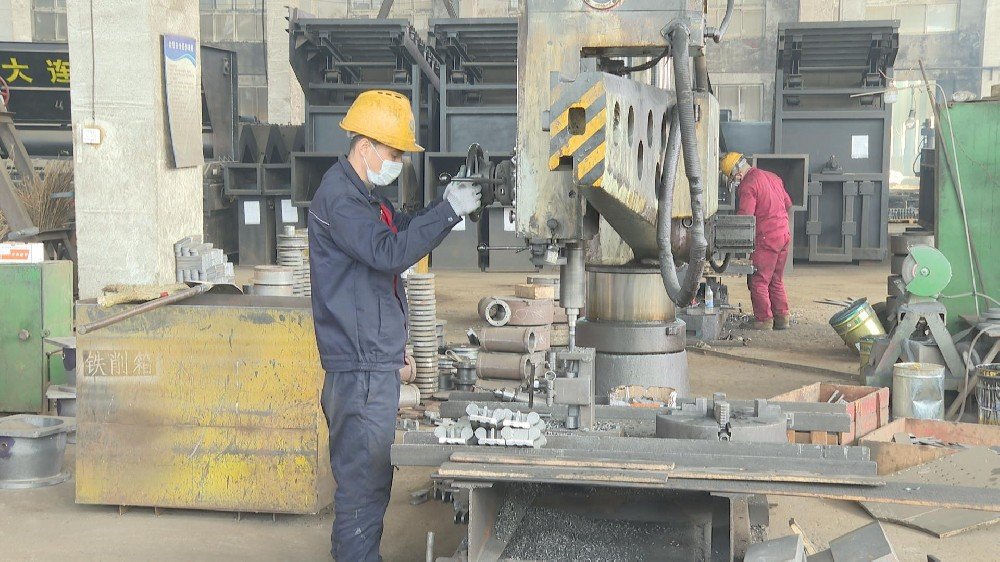
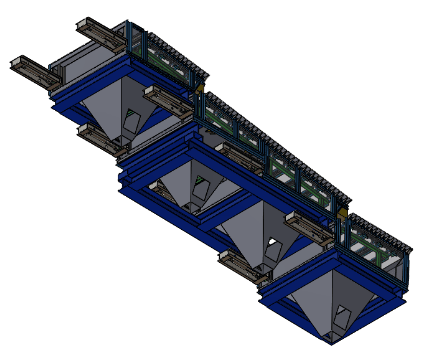
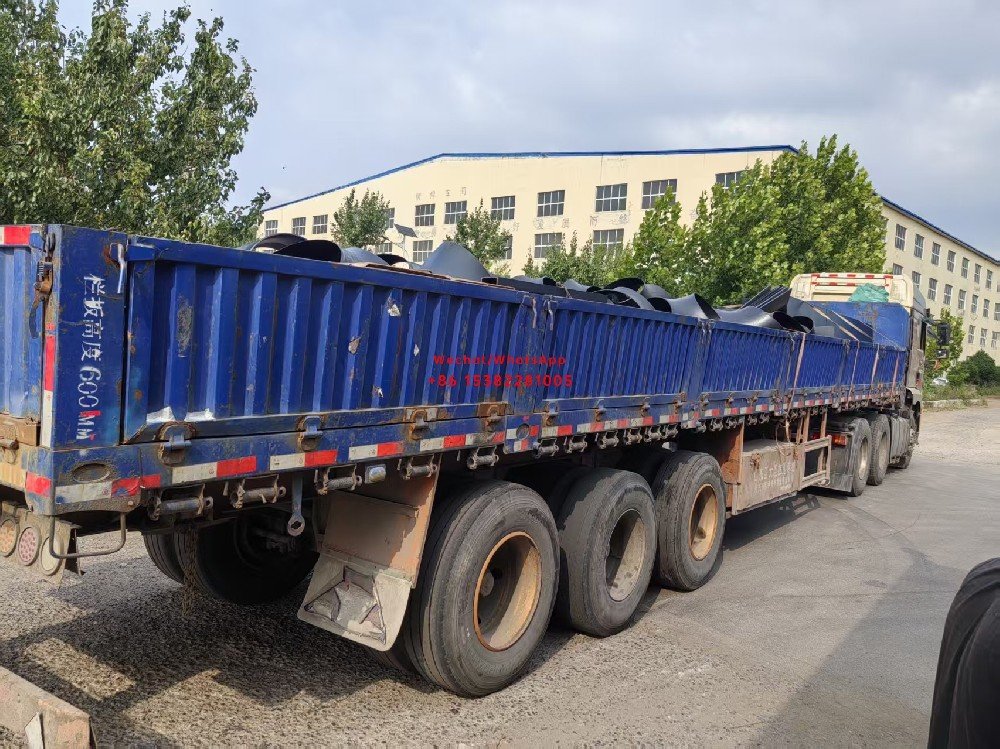
We have shipped 3 sets of grate cooling-air systems from the partner factory to Shandong.
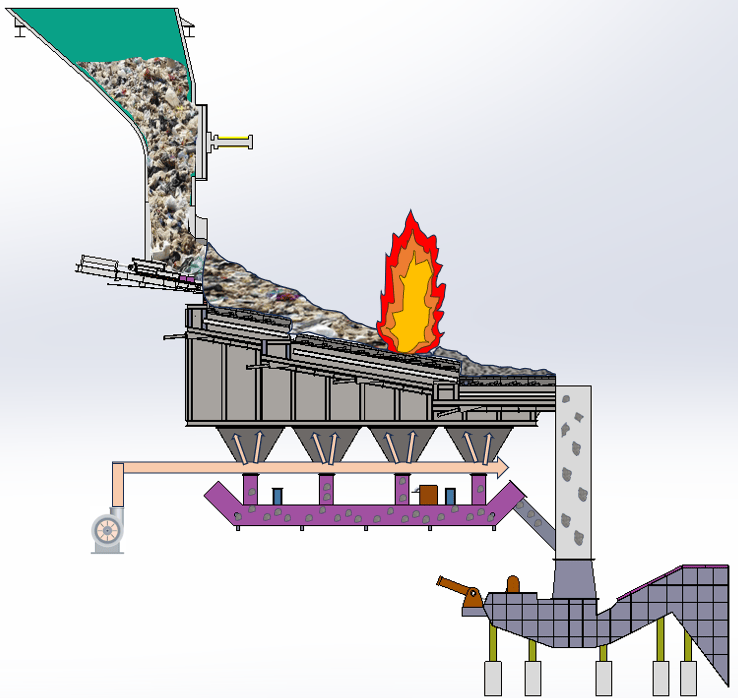
Grate cooling-air systems are widely used in chain coal-fired boilers, biomass boilers and waste incineration grate furnaces. With air as the cooling medium, they force-cool high-temperature parts such as grate plates, the grate frame, the stepped tiers and the pusher, preventing the metal from overheating, oxidizing, deforming or burning out; at the same time, the heated cooling air is recovered into the furnace to take part in combustion, achieving integrated cooling and combustion support.
Distinction: primary air mainly supplies oxygen for combustion; cooling air focuses on equipment protection. On some equipment the cooling air is shared with the primary air, while incinerators mostly have a separate cooling-air system.
I. Main functions of the system
Protecting grate metal parts: the temperature of the main combustion zone in the furnace can reach 850-1100℃, and heat-resistant cast-iron grates that stay above 600-700℃ for a long time easily oxidize, warp and crack. The cooling air carries heat away from the grate plates, keeps the base metal temperature within a safe range, and extends the service life of the grate plates, supports and step walls.
Preventing slagging and blocked air holes: the drop steps of the grate and the positions of the pusher easily hang slag and build up clinker; the cooling air lowers the wall temperature, reduces the adhesion of molten ash and slag, and the air holes do not clog easily.
Waste heat recovery and energy saving: after the cooling air absorbs heat and rises in temperature, the hot air is led into the primary/secondary air ducts and sent into the furnace to take part in combustion, instead of having the heat discharged directly.
Preventing damage from flashback at high temperature: the pusher and the feed opening of an incinerator are prone to flashback; the separate cooling air isolates the high-temperature flue gas and protects the pushing mechanism from being burnt out.
II. System composition (separate cooling-air type, typical of waste incinerators)
Cooling fan: generally a centrifugal fan that draws air from inside the boiler house and is fitted with a silencer; the air volume and pressure are adjusted by a frequency converter.
Air ducts and piping: a main air duct and branch ducts running respectively to each stepped tier of the grate, the pusher and the side guard plates.
Air chambers/cooling cavities: closed cavities inside the grate steps and the pusher, in which the cooling air flows and exchanges heat.
Cooling air holes: small tapered anti-clogging air outlet holes; the cooling air passes through the holes, part of it cools the components and part is injected into the furnace; they prevent ash and slag from flowing back into the air duct.
Adjusting and monitoring elements: air adjusting dampers, pressure gauges and temperature measuring points; the air chamber pressure is monitored, and when the air holes are blocked and the chamber pressure rises, the air volume is increased and an alarm is given in linkage.
Hot air return piping: the cooling hot air, after absorbing heat, is collected and connected into the primary/secondary air system.
Many small chain coal-fired boilers do not have a separate cooling fan: the primary air also performs the function of cooling the grate, the cold air passes from the air chamber below the grate through the gaps between the grate plates, supplying oxygen and cooling the grate plates at the same time; the return run of the grate (the lower, non-combustion side) is exposed to the environment under the furnace and is naturally air-cooled.