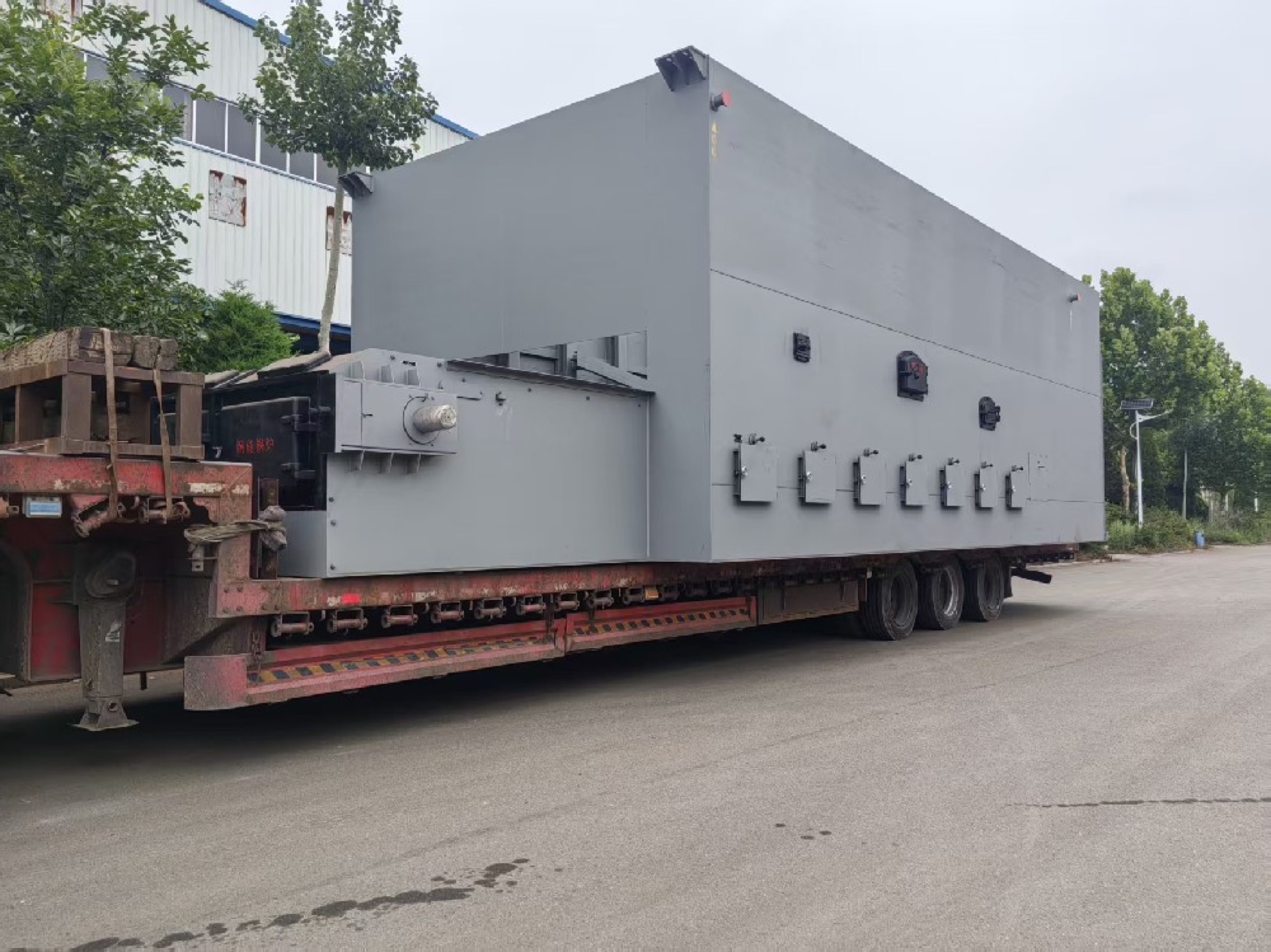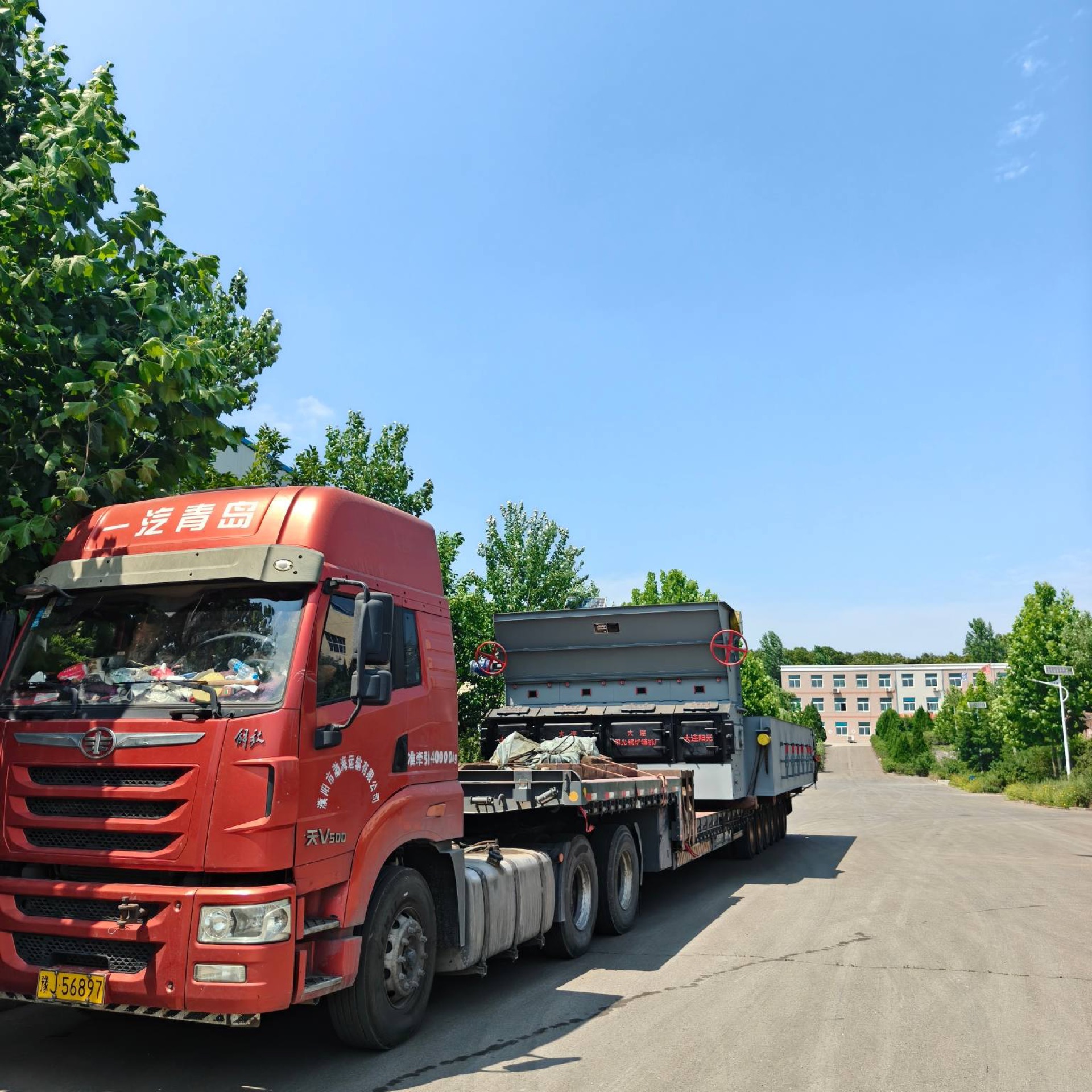

How a 300-person team solved the technical challenges of reciprocating grates
For all its advantages, the reciprocating grate still faces well-known industry pain points: poor working conditions for the grate bars in the high-temperature zone, fairly heavy coal leakage, and poor adaptability to load changes. Our partner factory set up a 300-person professional R&D team and, after years of technical development, solved these problems one by one, driving continuous upgrades in reciprocating grate technology.
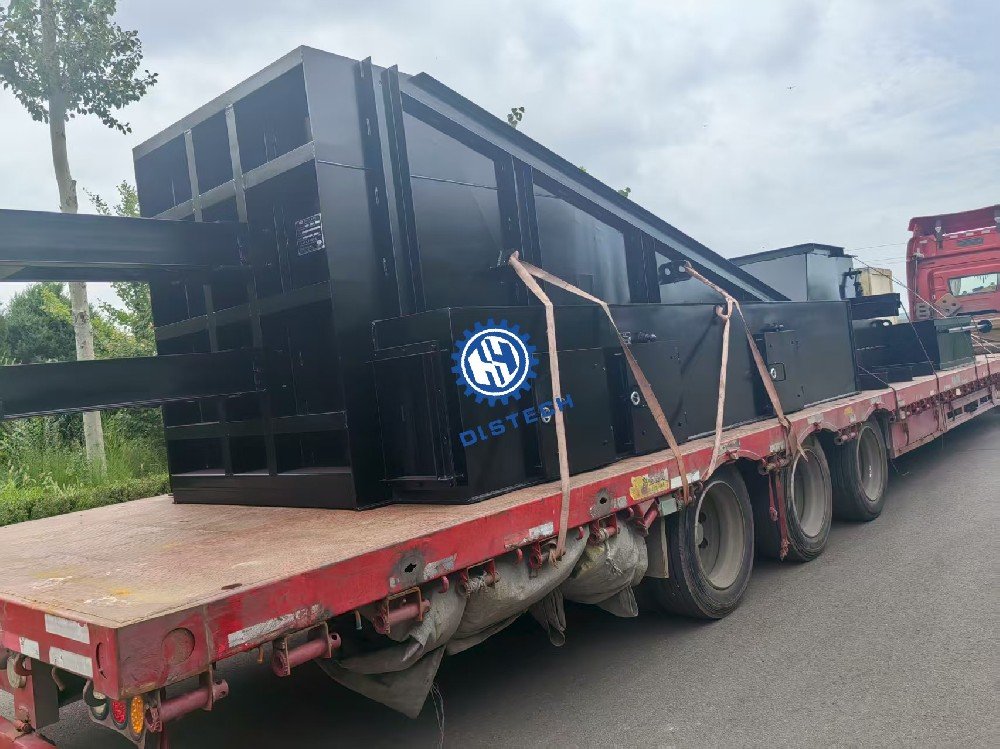
To address the core problem of grate bars being easily damaged in the high-temperature zone, the R&D team pursued innovation in both material and structure. On the material side, they worked with universities to develop a dedicated heat-resistant alloy, raising the temperature resistance of the grate bars from 800°C to 1100°C, while optimizing the metallographic structure to improve wear resistance and more than double the service life of the grate bars. On the structure side, they designed hollow, cooled grate bars with built-in cooling air channels that carry heat away through air flow, lowering the working temperature of the bars. This technology has been granted three national utility-model patents.
To solve the coal-leakage problem, the R&D team optimized the overlapping structure of the grate bars with a stepped, lapped design, reducing the gap between bars from the conventional 3–5 mm down to 1–2 mm. At the same time, an adjustable coal-leakage recovery device was added beneath the grate, cutting the leakage rate from over 5% to below 1%. To address the poor adaptability to load changes, they developed an intelligent variable-frequency control system that uses sensors to monitor furnace temperature, pressure, and other parameters in real time, automatically adjusting the grate speed and air supply to achieve smooth load control across a range of 30%–110%, meeting the needs of different operating conditions. Thanks to these technical breakthroughs, the comprehensive performance of our partner factory’s reciprocating grates now reaches an internationally advanced level.