
The role of the biomass grate furnace feeding system
The role of the biomass grate furnace feeding system
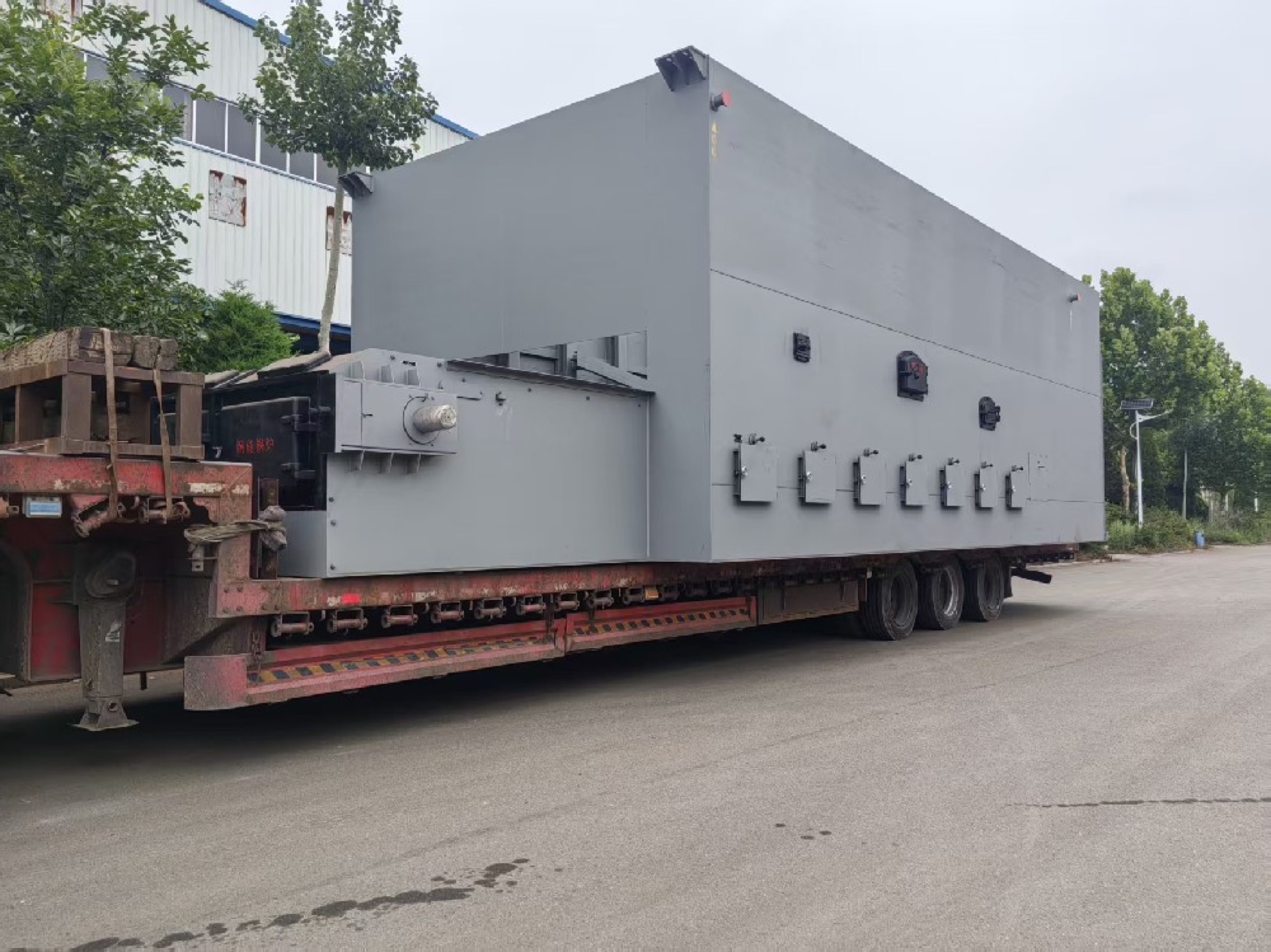
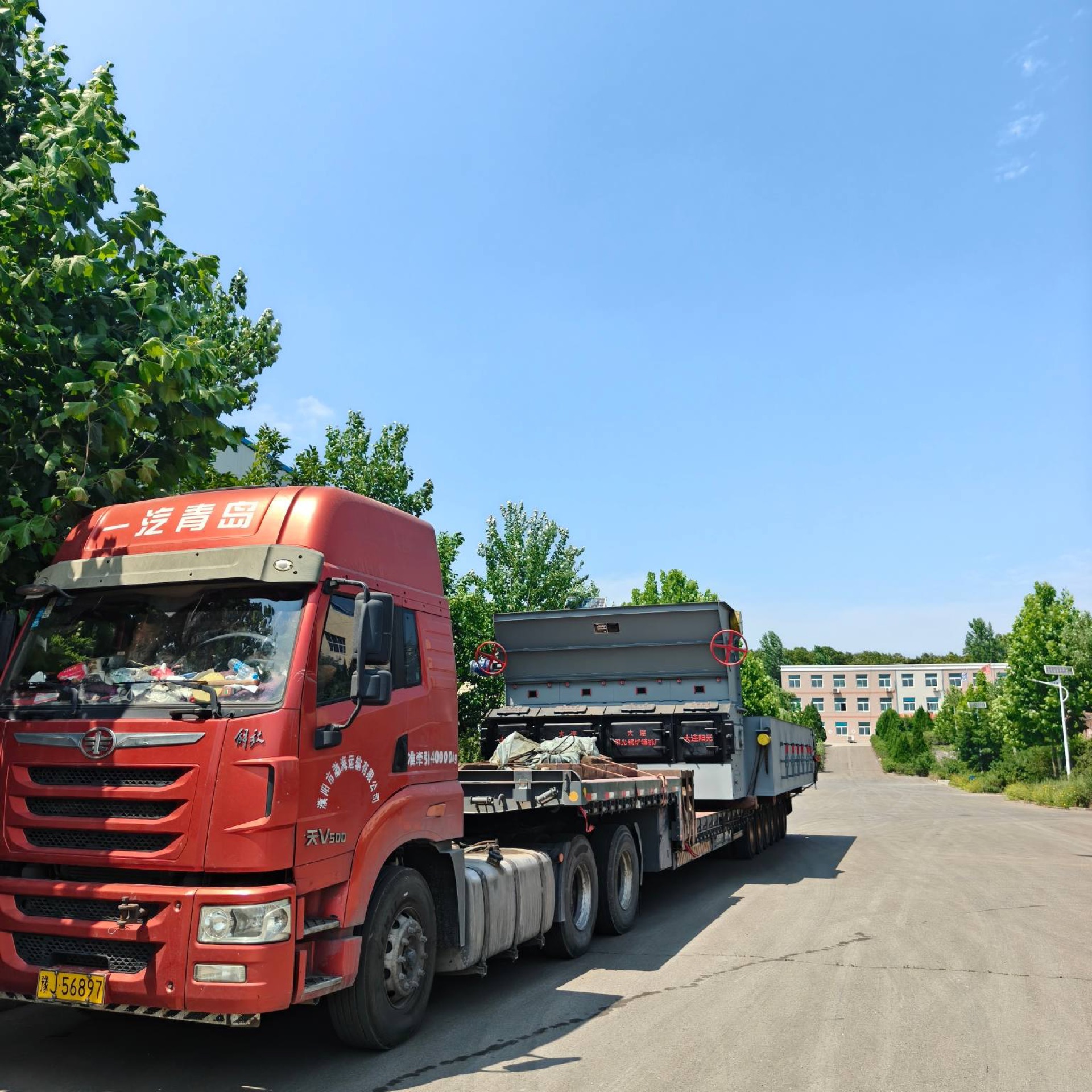
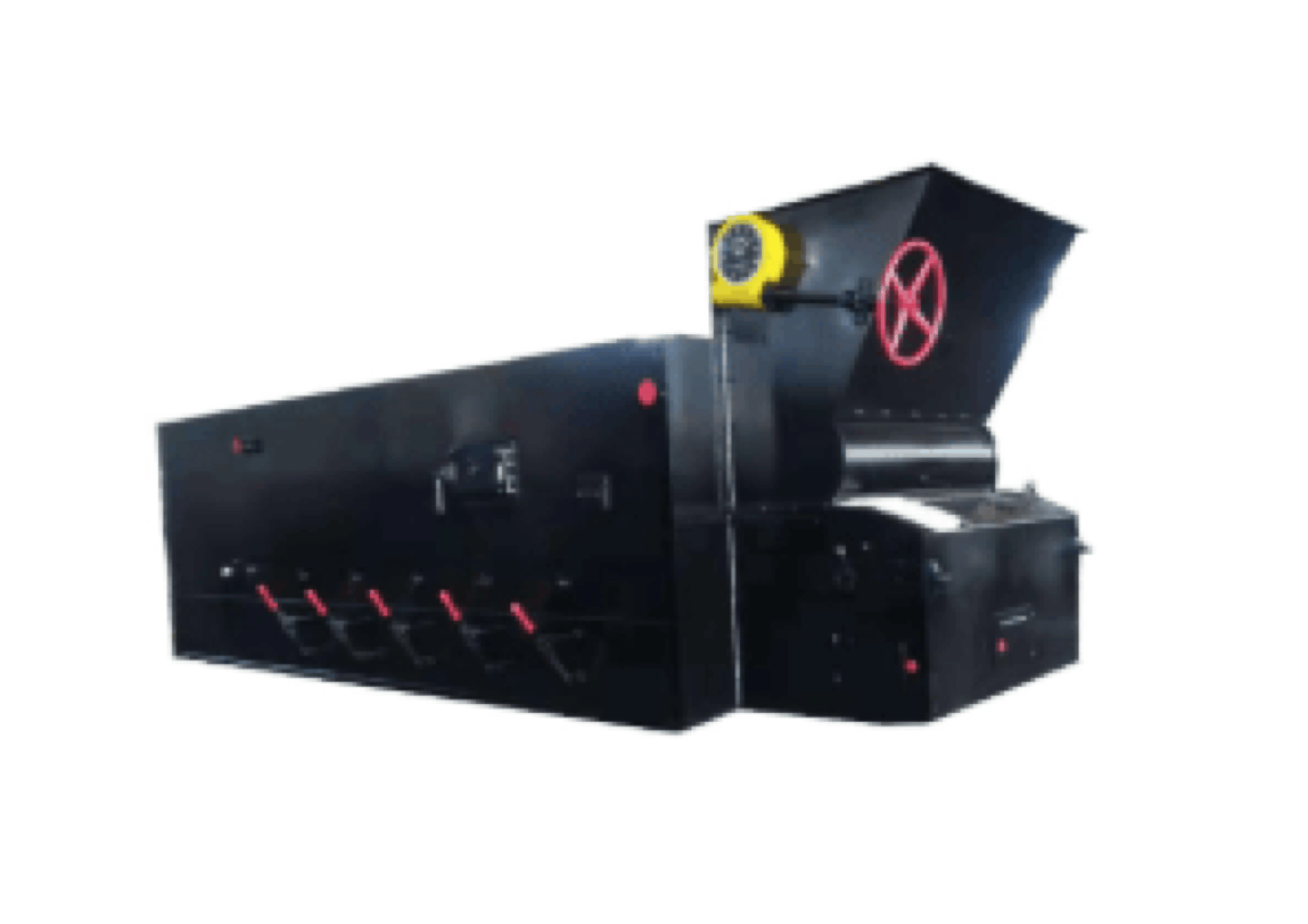
The biomass grate furnace feeding system is a core module that ensures stable fuel delivery and optimizes combustion efficiency. Its role is mainly reflected in the following aspects:
I. Continuous fuel delivery and distribution
Fuel storage and conveying
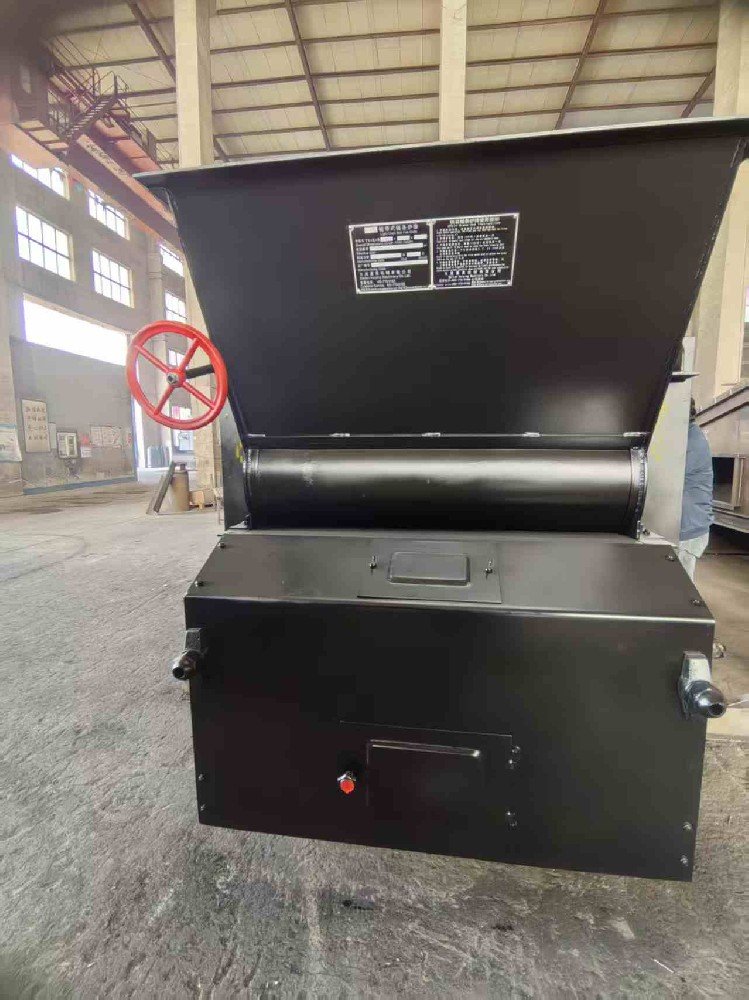
Through equipment such as hoppers, belt conveyors and screw feeders, biomass fuel (such as wood chips and straw) is continuously conveyed from the storage unit to the silo or burner at the front of the furnace, ensuring an uninterrupted fuel supply.
The screw feeder uses the rotation of its screw blade to push the fuel forward, achieving sealed conveying and precise feeding while reducing fuel leakage and waste.
Uniformity of fuel distribution
Vibrating feeders, spreading-air devices and the like work together with the screw conveying mechanism to spread the fuel evenly into the furnace chamber, avoiding local accumulation or empty burning and improving combustion uniformity.
II. Assurance of combustion stability
Fuel pretreatment and adaptation
Combustion parameter control
III. Equipment protection and operational safety
Anti-clogging and flame-back prevention
IV. Economic benefits and environmental optimization
Lower fuel cost
Through precise feeding and combustion control, the energy utilization rate is improved (up to more than 94%), reducing fuel waste.
Environmental emission reduction
The pretreatment before combustion and the uniform air-distribution design reduce the soot and harmful gas emissions produced by incomplete combustion.
Through the above functions, the biomass grate furnace feeding system achieves the goals of efficient fuel utilization, stable and controllable combustion, and safe equipment operation, becoming an indispensable key link in the conversion of biomass energy.