
Technological Innovation and Development Trends in Chain and Cross-Beam Grates
Technological innovation and development trends in chain and cross-beam grates
As industry demands ever-higher energy efficiency and environmental regulations grow stricter, chain grates and cross-beam grates — as key boiler components — are themselves undergoing continuous technological innovation and change, showing a number of development trends worth watching.
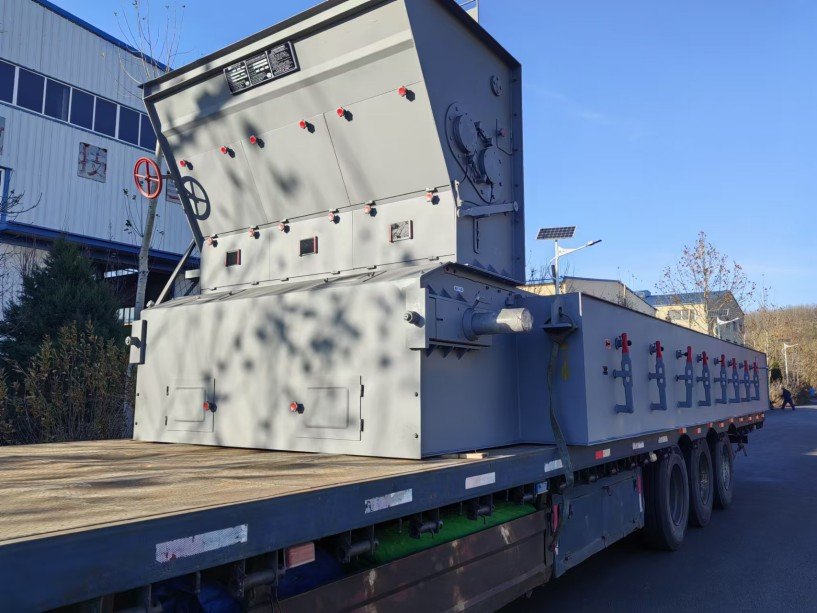
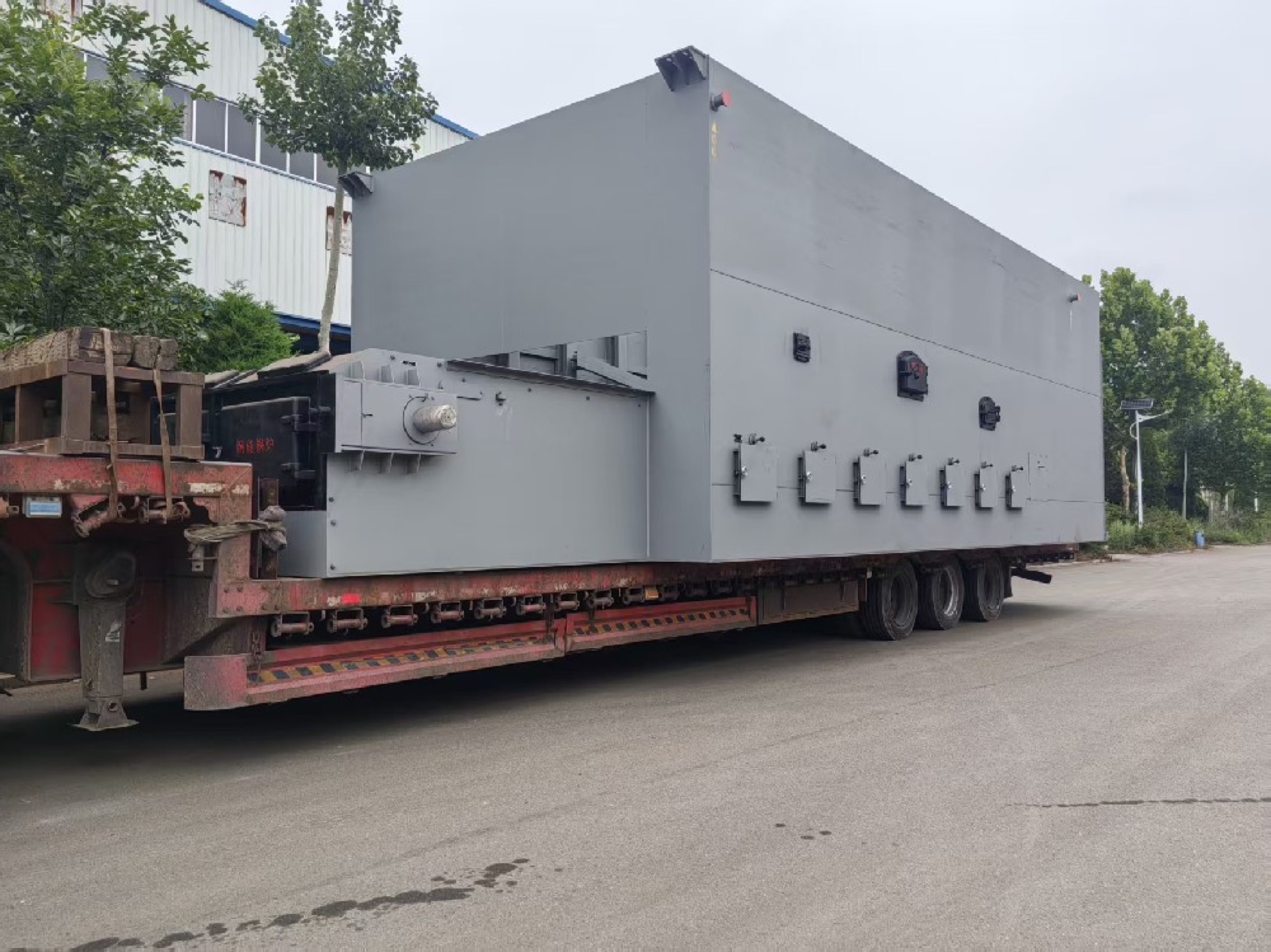
One important direction of chain-grate innovation is raising the level of automated combustion control. During operation, a traditional chain grate relies largely on manual experience to adjust the fuel feed, grate speed, and air supply, making precise combustion control difficult. Today, with advanced sensor technology, computer control systems, and intelligent algorithms, a chain grate can monitor in real time such parameters as the furnace temperature, pressure, and oxygen content and automatically adjust the fuel supply, grate speed, and air volume accordingly, achieving intelligent combustion optimization. For example, precisely controlling the air distribution across different zones of the grate can markedly improve the uniformity of combustion in the furnace, reduce incomplete combustion, and raise the boiler’s thermal efficiency. There is also innovation in the material and structural design of the grate bars. New wear-resistant, high-temperature-resistant grate bar materials are constantly being developed and applied, extending the bars’ service life, while optimized bar structures better promote fuel-air mixing and further improve combustion performance.
The development of the cross-beam grate focuses on strengthening the reliability of its structure and the efficiency of its combustion. On one hand, more advanced welding techniques and material-treatment methods are used in manufacturing the cross beams, improving their strength and resistance to thermal deformation to meet the demands of higher-parameter boilers. On the other, the ventilation system is refined — for example, with adjustable vent openings that flexibly regulate the air volume according to the needs of each combustion stage, making combustion more stable and efficient. In addition, to cut the manufacturing and installation cost of cross-beam grates, new modular design concepts have been introduced. By designing the cross-beam grate as a set of standardized modules, pre-fabricated in the factory and then quickly assembled on site, both production efficiency improves and the difficulty and cost of on-site work fall.
On the environmental front, both chain grates and cross-beam grates are moving toward low-NOx combustion technology. Techniques such as staged combustion and air recirculation reduce the formation of nitrogen oxides during combustion. At the same time, they are combined with advanced flue-gas cleaning equipment — such as high-efficiency selective catalytic reduction (SCR) deNOx units, bag filters, and wet flue-gas desulfurization — for deep treatment of the boiler’s flue gas, ensuring strict environmental emission standards are met.
From the perspective of comprehensive energy utilization, chain grates and cross-beam grates are expected to become more closely integrated with waste-heat recovery systems in the future. For example, the residual heat of the boiler’s tail flue gas can preheat feedwater, generate steam, or drive other thermal equipment, raising the overall utilization efficiency of the energy system. In addition, research into using biomass and other new clean energy sources on these two grate types is deepening, with the aim of broadening the range of fuels the grates can handle, reducing reliance on traditional fossil energy, and promoting the transformation of the energy mix.
In short, chain grates and cross-beam grates are in a continuous process of innovation and development. As technology advances, they will continue to play an important role in the industrial boiler field, and will better fit the development philosophy of efficient, environmentally friendly, and intelligent energy use.