
Ash Fusion Temperature and Clinkering: Which Fuels Sinter and Slag Grate Bars
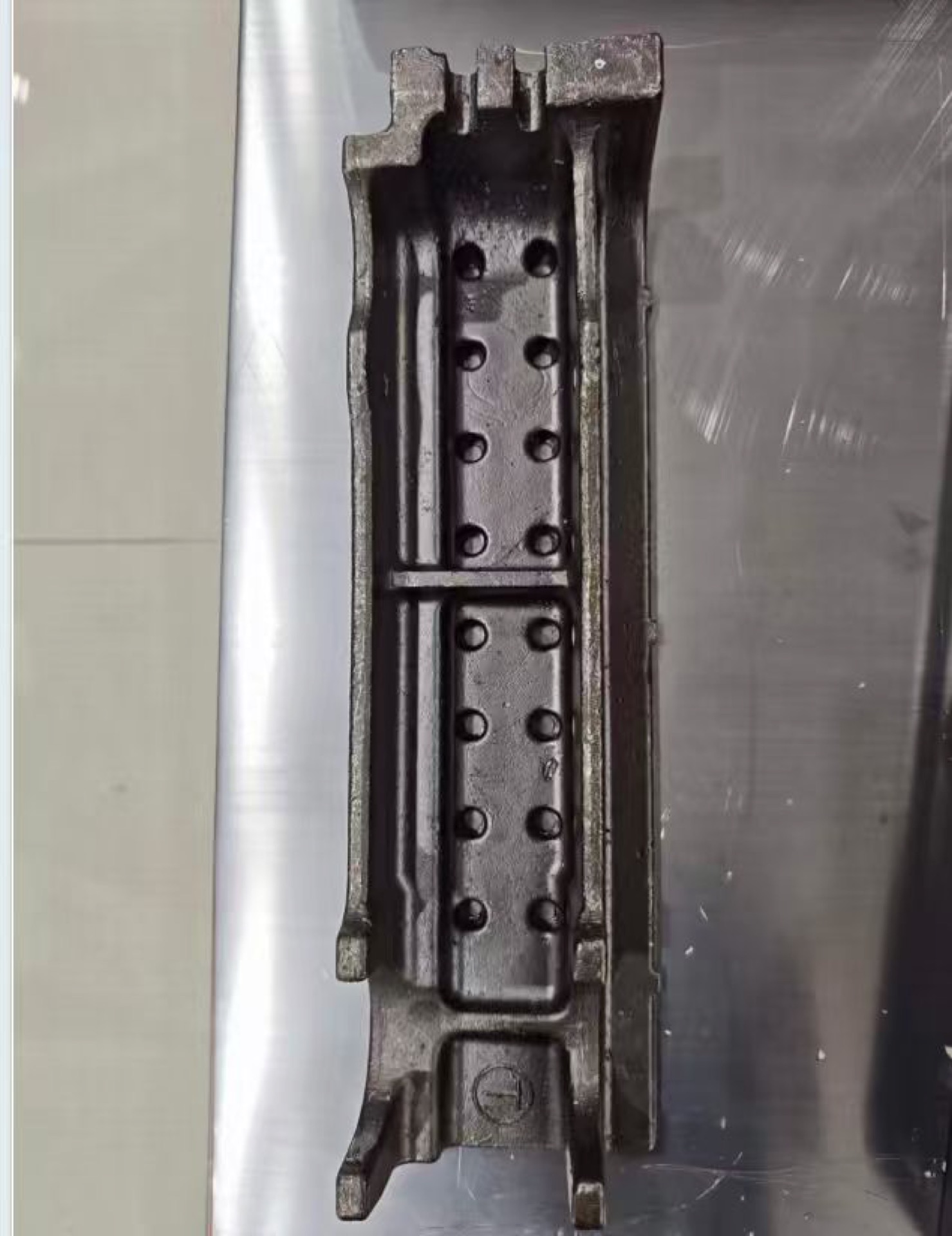
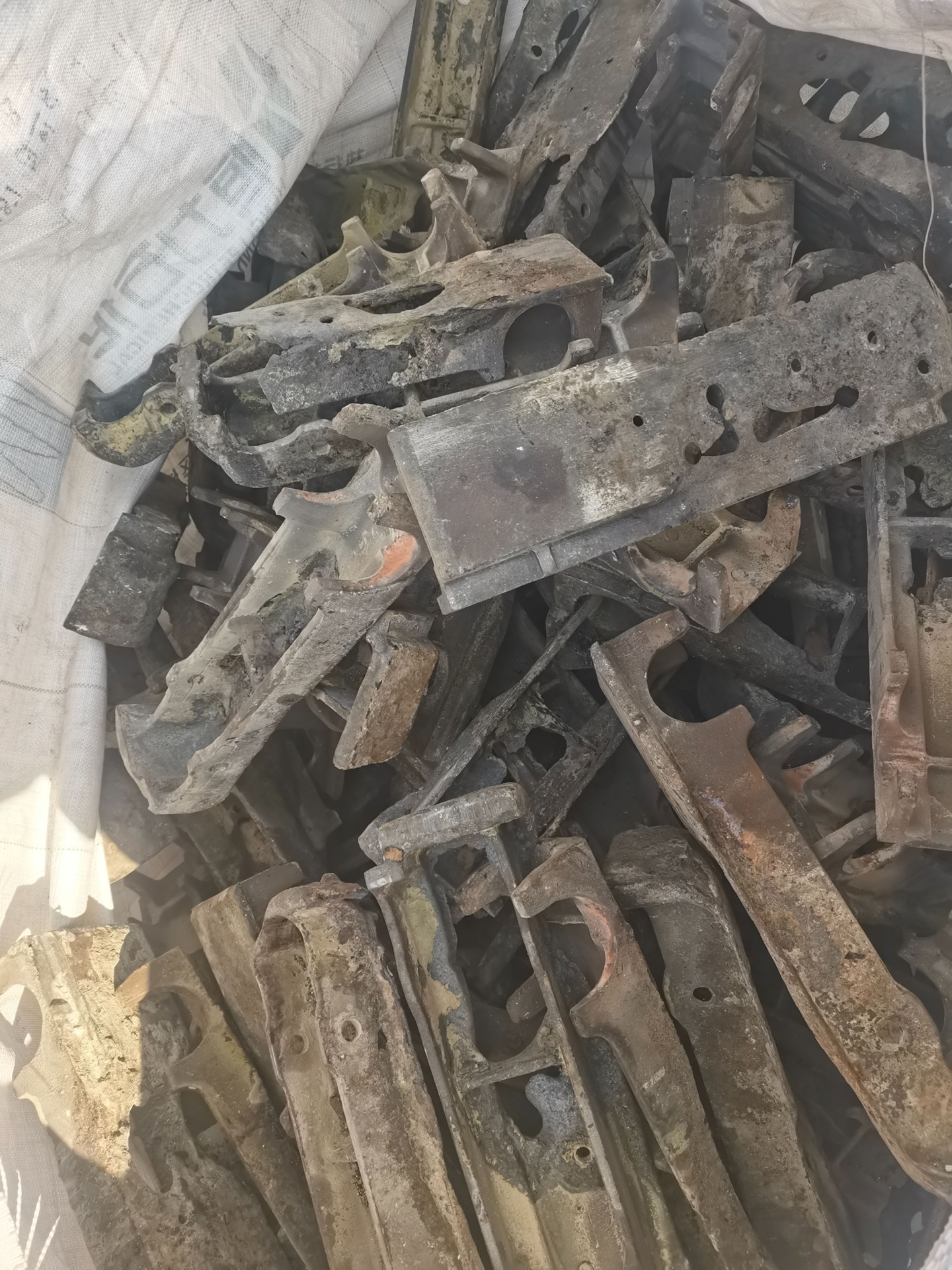
When a grate bar surface sinters and builds up slag, the hard shell that forms blocks ash discharge and reduces air flow, and the local temperature climbs further until the bars thin out or break away. Operating adjustments matter here, but the root cause sits in the ash chemistry of the fuel. This article covers how ash fusion temperature is measured, which fuels are risky, and how clinkering consumes a grate bar step by step.
How ash fusion temperature is measured: four characteristic temperatures
GB/T 219-2008, Determination of fusibility of coal ash, forms the ash into a triangular cone and heats it at a specified rate in a specified atmosphere, recording the four temperatures that correspond to changes in cone shape: deformation temperature DT, softening temperature ST, hemispherical temperature HT and flow temperature FT. Ash fusibility depends on the proportions of SiO₂, Al₂O₃, Fe₂O₃ and CaO in the ash, and it is also affected by whether the atmosphere is oxidising or reducing.
For the same fuel, different reports often disagree, and one reason is the ashing temperature. One study prepared the same samples at 400℃, 600℃ and 815℃, and as the ashing temperature rose the relative K₂O content of the ash fell, while chlorine was almost undetectable at 815℃. Read the ashing conditions before reading the numbers, otherwise values measured on different bases get compared with each other.
Which fuels are most likely to sinter grate bars
Clean woody fuels have relatively high ash fusion temperatures. In the literature, the raw ash of teak wood gives DT 1170℃, ST 1200℃, HT 1240℃ and FT 1320℃; melina wood gives DT 1100℃, ST 1180℃, HT 1220℃ and FT 1300℃. After torrefaction at 220 to 320℃, the deformation temperature of both woods rises to around 1200℃ while the flow temperature stays roughly unchanged.
| Fuel (raw ash) | DT℃ | ST℃ | HT℃ | FT℃ |
|---|---|---|---|---|
| Teak wood | 1170 | 1200 | 1240 | 1320 |
| Melina wood | 1100 | 1180 | 1220 | 1300 |
The high-risk group is agricultural residues with high potassium, chlorine and silicon: oil-palm empty fruit bunch (EFB), wheat straw, rice straw and bagasse all belong here. The literature repeatedly reports that EFB ash has a low fusion temperature and that its ash-forming elements are dominated by Si, K and Cl; wheat straw already forms silicate slag in single-pellet combustion tests at 700℃ and 1000℃. At a 16 MWth vibrating-grate boiler firing wheat straw, measured data and modelling showed ash melting completing within a narrow window above 1050℃, with the molten material then running down the wall.
A short way to remember it: the more potassium and chlorine and the more silicon a fuel carries, the lower its ash fusion temperature and the more readily the grate surface picks up slag. Conversely, a fuel whose ash is high in Al₂O₃ and low in iron and alkali metals tends to produce a slag that softens less easily.
From clinkering to failure: how chlorine, potassium and molten slag consume grate bars
At a 9.9 MW rubberwood-fired reciprocating grate furnace, GX130CrSi29 grate bars were taken out of service for failure analysis. The cross-section showed three layers: a surface deposit layer carrying chlorine and alkali metals, a porous iron-rich oxide scale beneath it, and a chromium-depleted substrate with internal oxidation, with clear chromium depletion near the oxide–metal interface.
Two chains run at the same time. Chlorine forms volatile metal chlorides at the oxide–metal interface, those chlorides are oxidised again and the chlorine is released to react further, so a protective oxide film never grows complete. In parallel, potassium reacts with siliceous ash to form low-melting potassium silicates, which at grate operating temperature are molten or semi-molten and act as a flux, dissolving and penetrating the oxide film.
The last step is removal. Oxide scale and deposits weakened by corrosion are carried away by flue gas and by the moving fuel bed, fresh metal is exposed and the reaction starts again from zero. This kind of failure is therefore the combined result of chlorine-driven active oxidation, molten-phase fluxing and flow-assisted removal, not high-temperature oxidation alone.
Three things that can be done on site
On the fuel side, limit the share of high-potassium, high-chlorine fuels and blend them with lower-risk fuel, and wash the fuel where necessary to reduce potassium and chlorine. The literature also reports that additives such as kaolin raise ash fusion temperature and reduce clinkering and deposition, and trials of this kind have been run when co-firing oil-palm empty fruit bunch.
On the operating side, hold the grate surface temperature below the softening temperature of the ash, and control the position of the main combustion zone through air distribution, grate speed and bed thickness so that no local hot spot develops. Clear clinkering as soon as it appears, because once a hard shell has grown, cleaning it also damages the bars.
On the material side, use high-chromium silicon-bearing heat-resistant cast iron or high-chromium cast iron at positions where slagging is severe; chromium content governs the stability of the oxide film and silicon improves high-temperature oxidation resistance. We supply grate bars and spare parts for all grate types, check the grade against the duty, dispatch from the partner factory, and confirm dimensions and material against drawings.
References
- GB/T 219-2008, Determination of fusibility of coal ash
- Khongkaew W. et al., Failure analysis and degradation mechanisms of GX130CrSi29 grate bars in a biomass-fired furnace, Thammasat University
- The ignitability, fuel ratio and ash fusion temperatures of torrefied woody biomass
- Study on fusion characteristics of biomass ash, PubMed 20655203
- Evaluation of Combustion Grate Damage: A Comprehensive Review of Grate Deterioration in Biomass Power Plants
- Application of a Modeling Tool to Describe Fly Ash Generation, Composition, and Melting Behavior, Processes 2020, 8(11), 1510
- Ash and deposit characteristics from oil-palm empty-fruit-bunch (EFB) firing with kaolin additive