
Cast Iron Finned Economizer Tubes
Economizer tubes are the core heat exchange elements of boiler economizers. Modular cast iron finned economizers are assembled from multiple individually cast arc-shaped finned economizer tubes to form an integral heat exchange box. They are dedicated tail-end energy-saving heat exchange equipment for coal-fired and biomass chain/reciprocating boilers.
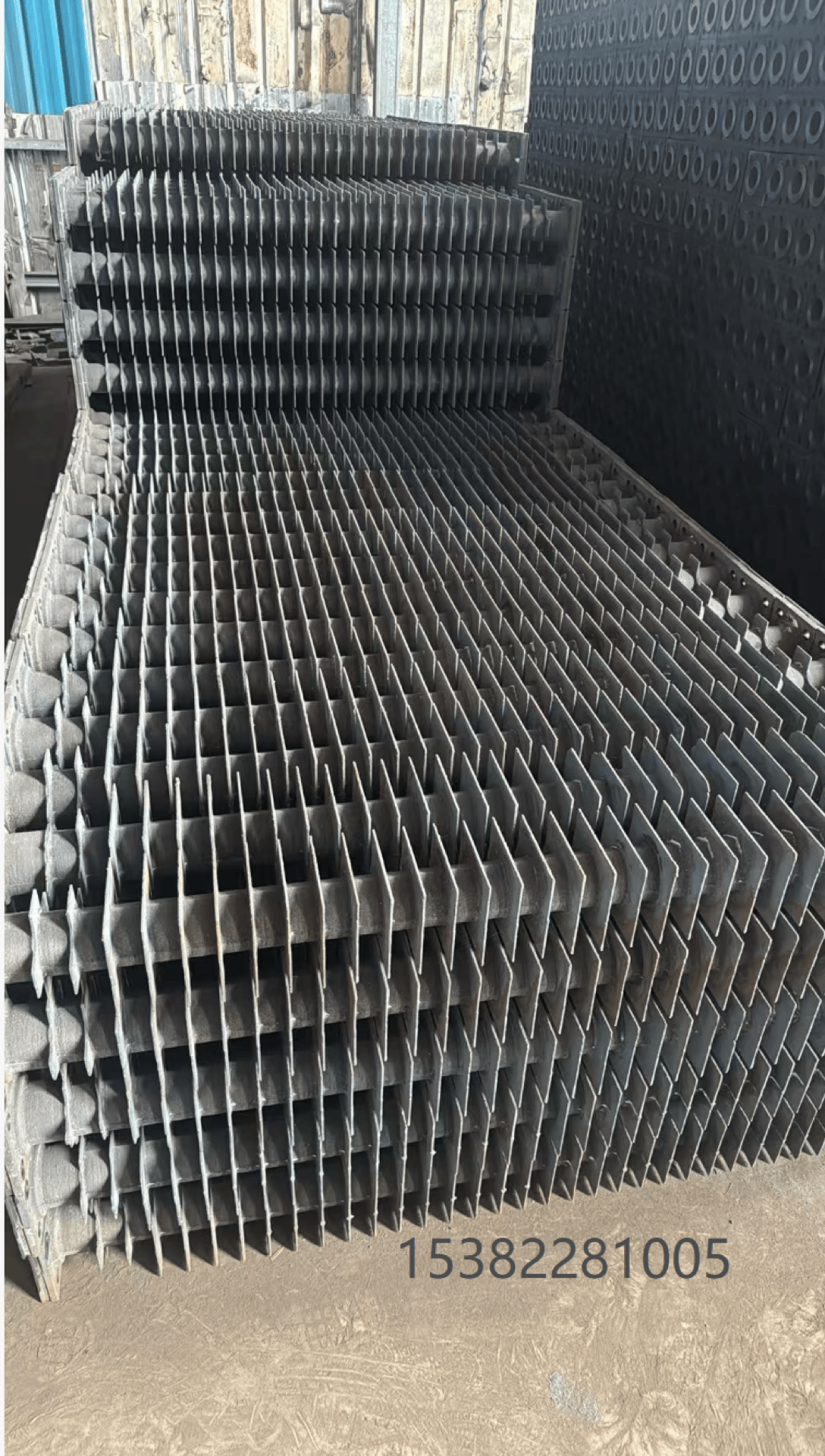
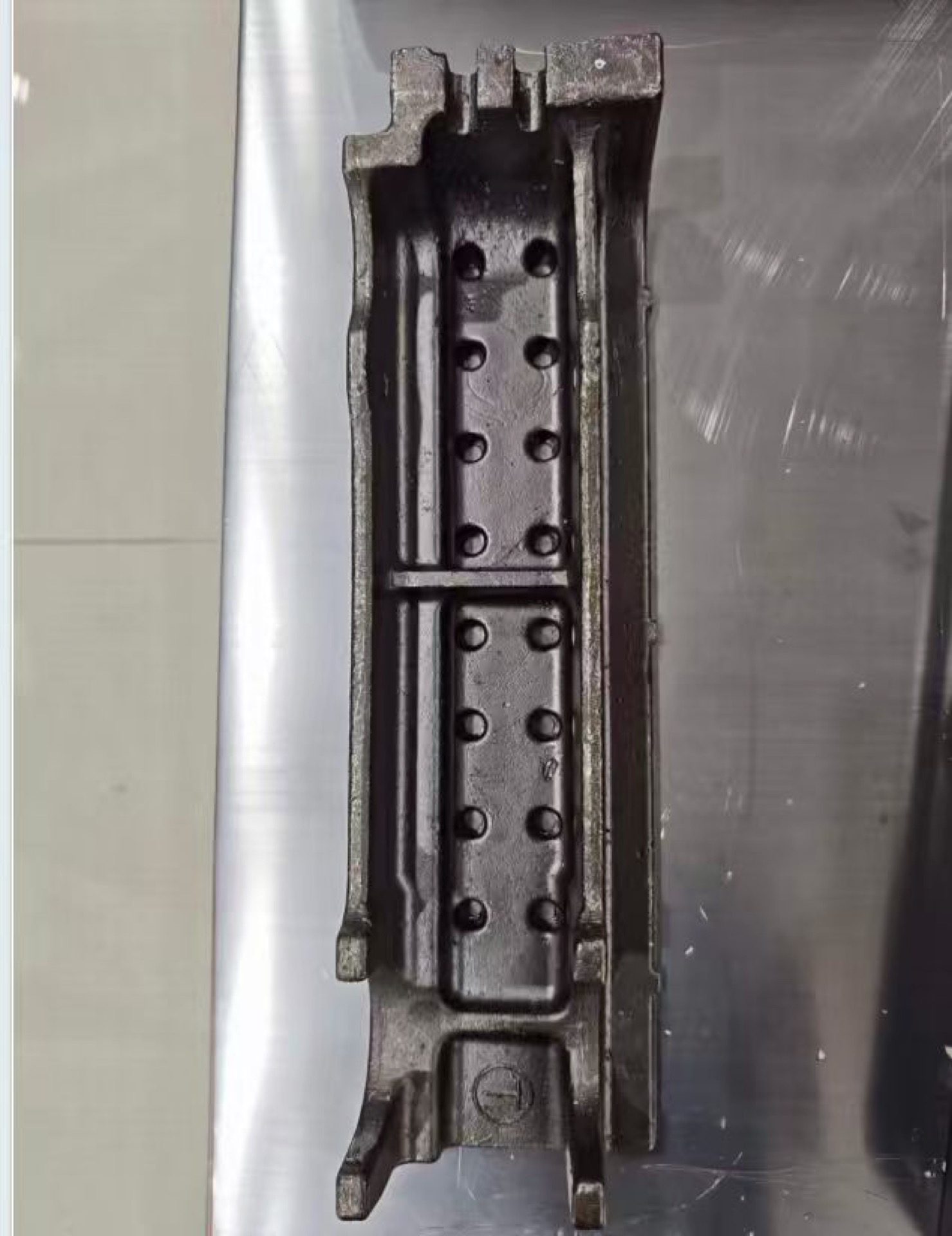
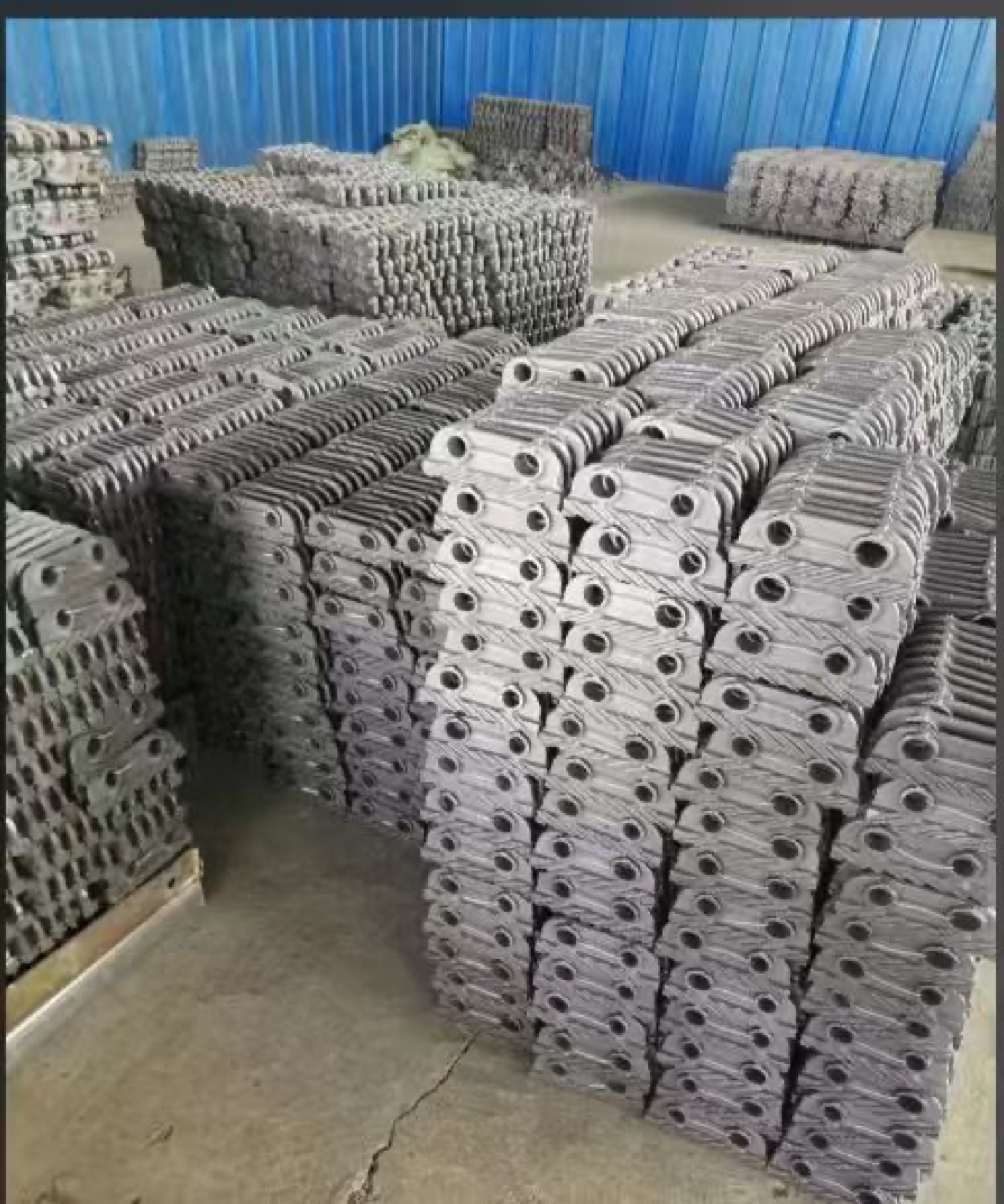
Single-unit element: The second image shows a single cast iron finned economizer tube, cast integrally with dense heat-dissipation fins that significantly expand the flue gas heat exchange contact area. Both ends of the tube body feature arc-shaped connecting elbows; multiple tubes are connected in series to form a complete water circuit.
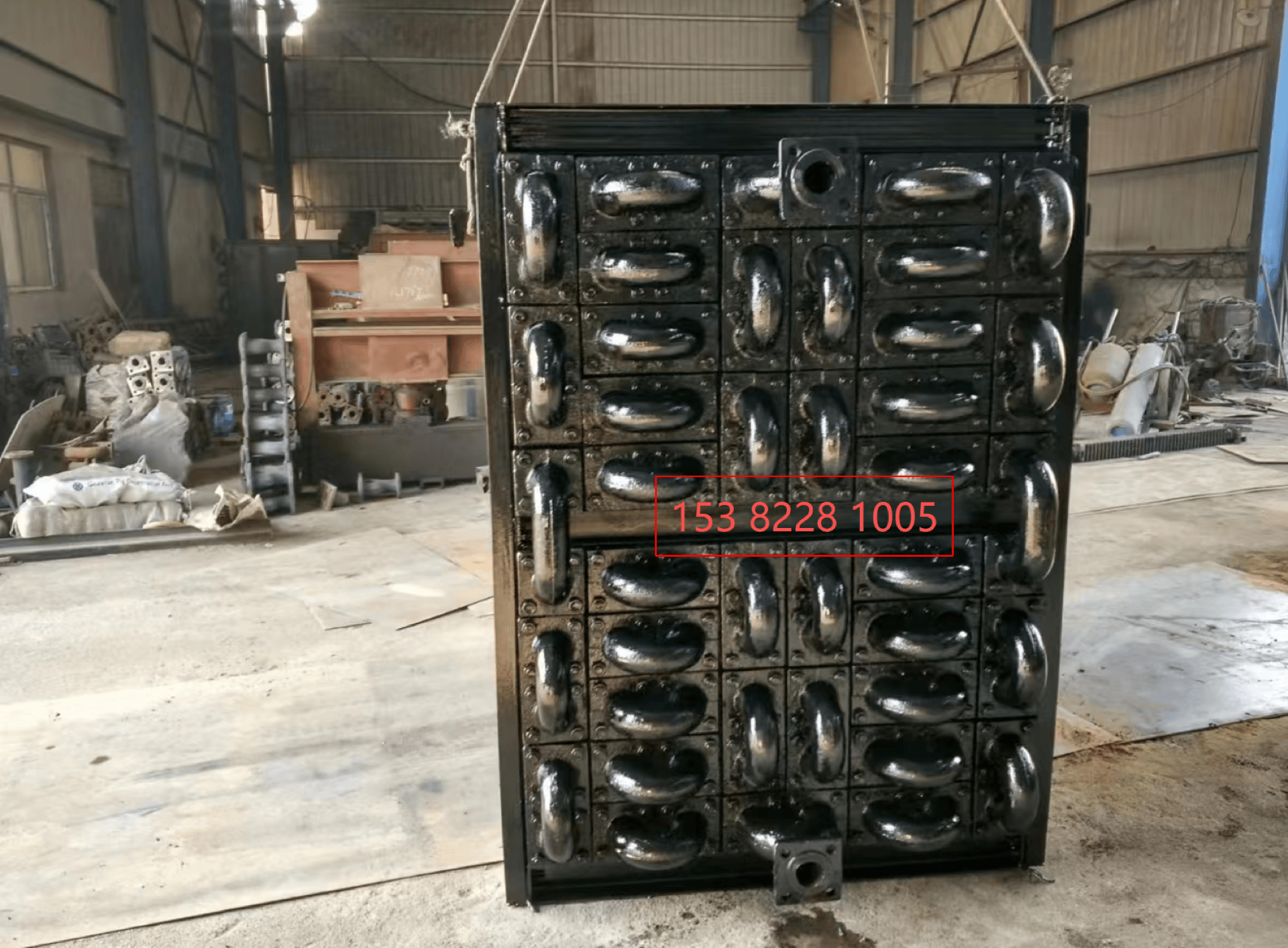
Overall assembly: The first image shows the completed assembly, with inlet and outlet flange headers arranged at the top and bottom. Single finned tubes are connected in series vertically and arranged side by side horizontally to form standard heat exchange modules; the number of tubes can be freely increased or decreased according to boiler tonnage.
Water circuit flow: Low-temperature feed water enters from the bottom flange, flows upward through each cast iron finned tube layer by layer, fully absorbs flue gas waste heat, and exits from the top flange to be sent to the steam drum. High-temperature flue gas transversely washes the outer walls of the fins to complete heat exchange.
II. Core Materials and Performance Advantages
Main materials: High-silicon heat-resistant cast iron RTSi5 / HT200 gray cast iron
Superior Wear and Erosion Resistance
The cast iron matrix has high hardness; compared with 20G steel tubes, resistance to fly ash, wood chips, and straw debris wear is improved by more than 3 times. Biomass boilers with high dust content are less prone to wear-through leakage, significantly reducing maintenance frequency.
Low-Temperature Acid Corrosion Resistance
Silicon-series cast iron forms a silicon dioxide protective film at high temperatures on the surface, resisting dilute sulfuric acid dew-point corrosion generated by fuel sulfur content. Suitable for high-sulfur coal and wet biomass fuel boilers; service life at 130~180°C low-temperature exhaust conditions is far superior to ordinary carbon steel tubes.
Integrally Cast with No Welds, Zero Leakage Risk
The entire fin and arc-shaped elbow are cast in one piece, eliminating the common problem of weld seam cracking and water leakage in steel tubes. Stable long-term operation with stable pressure rating ≤1.6MPa, suitable for the vast majority of industrial low-pressure boilers.
Self-Cleaning Fin Structure, Resistant to Ash Accumulation
Wide-pitch fin design provides low flue gas flow resistance; wood chips and coal ash are not prone to adhesion and accumulation. Equipped with soot blowers for rapid ash removal, preventing the drastic drop in heat exchange efficiency caused by fin ash plugging.
Outstanding Cost-Performance Ratio
Overall cost is lower than ND steel and alloy steel tube economizers. Individual damaged tubes can be replaced separately without complete disassembly, resulting in extremely low maintenance costs.
III. Core Functions (Energy-Saving Effects)
Recovers 220~400°C flue gas waste heat from the boiler tail, preheating boiler feed water. For every 5°C decrease in exhaust gas temperature, boiler thermal efficiency increases by approximately 1%, and coal/biomass consumption is reduced by 8%~15%.
Reduces furnace temperature differential, decreases thermal shock to water walls and the steam drum, and extends the service life of the boiler proper.
Stabilizes furnace combustion temperature, enabling more complete combustion of wet biomass fuels and reducing incomplete combustion heat loss.
IV. Applicable Boiler Conditions
Applicable boiler types: 1~10t/h chain grate boilers, biomass reciprocating furnaces, small coal-fired hot water/steam boilers
Applicable fuels: Wood chips, straw, rice husks, palm shells, Class II bituminous coal, high-ash inferior coal, high-sulfur fuels
Restricted conditions: Not suitable for medium- and high-pressure power station boilers above 1.6MPa or gas condensing boilers (insufficient pressure rating)
V. Comparison with Steel Tube Economizers — Advantages and Disadvantages Summary
Advantages
- Wear-resistant and low-temperature corrosion-resistant; service life in biomass/high-ash coal boilers is 2~3 times that of steel tubes;
- No welds, eliminating weld corrosion perforation and water leakage;
- Fins resist ash plugging, highly compatible with high-dust fuels;
- Modular single-tube design; damaged tubes can be replaced individually, simplifying maintenance.
Disadvantages
- Thermal conductivity is lower than 20G seamless steel tubes; heat exchange efficiency per unit volume is slightly lower, requiring larger installation space for large-tonnage boilers;
- Material has high britleness; rapid heating and cooling are prohibited; boiler startup/shutdown requires slow temperature ramping;
- Pressure rating limited to 1.6MPa; cannot be used in high-pressure boilers.
VI. Selection and Specification Notes
Standard single heat exchange unit: Unified arc-shaped fin castings; can be combined into complete sets of 30, 60, 80, 100 tubes, etc., according to boiler tonnage.
Installation method: Vertically suspended in the boiler tail flue; inlet/outlet water flanges are standard and universal, directly connecting to boiler feed water piping.
Customization service: Height and tube count can be customized according to on-site flue dimensions, adapting to non-standard small boilers.