
Core Differences Between S-Type, Wide, and T-Type Biomass Reciprocating Grate Bars
Core Differences Between S-Type, Wide, and T-Type Biomass Reciprocating Grate Bars
The engagement structure, ventilation volume, slag leakage, material pushing disturbance, and applicable fuels of the three are completely different. These are the three most commonly used grate bars for reciprocating grates. Below is a detailed explanation with selection recommendations, convenient for explaining to overseas customers.
- S-Type Grate Bar
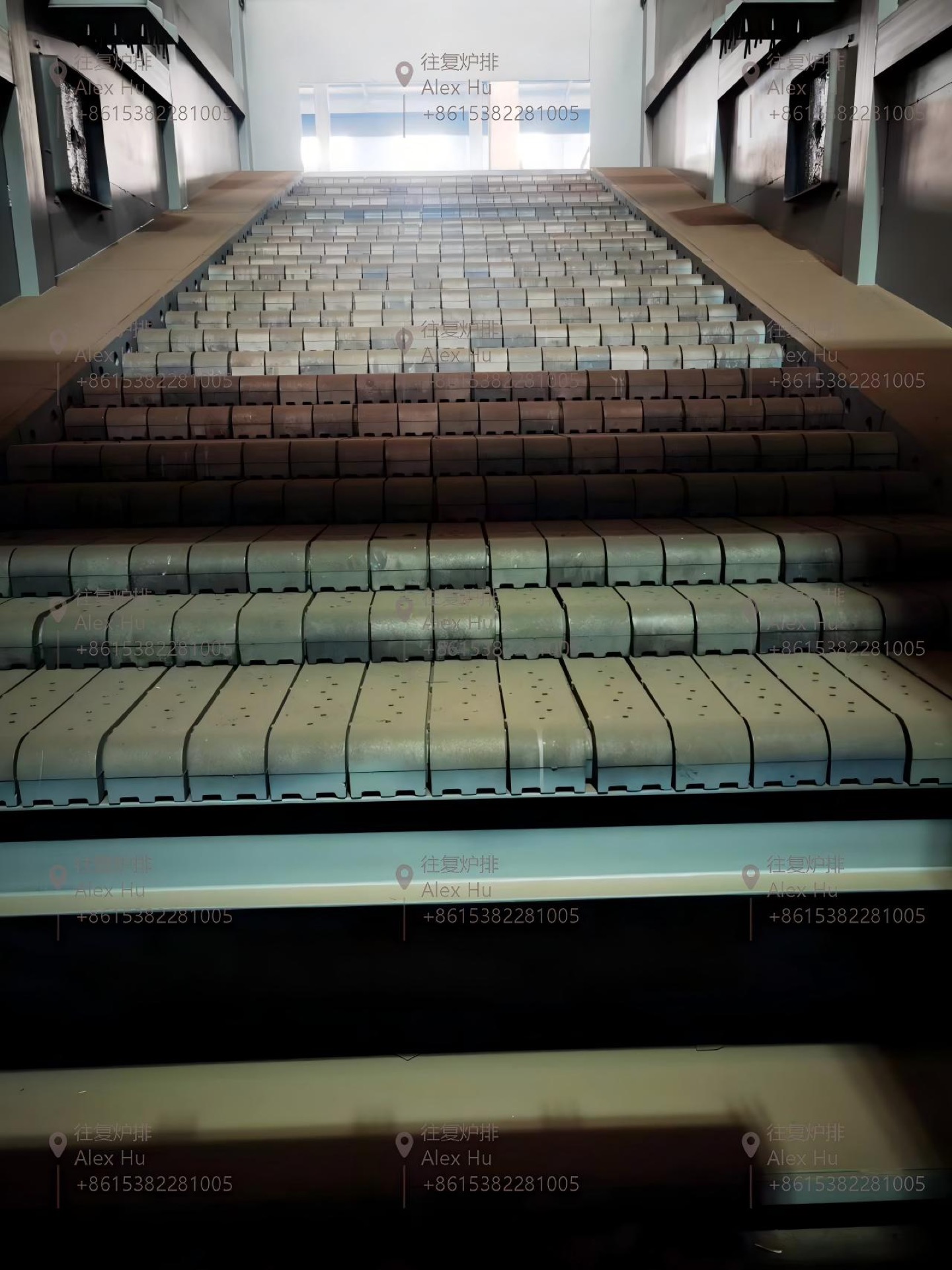
Structural Characteristics Both sides have S-curved surfaces that engage and overlap each other; when movable/fixed bars slide alternately, the overlapping surface always forms a labyrinth seal.
✅ Advantages Lowest material leakage rate, very suitable for fine biomass: rice husks, wood chips, crushed straw, palm shells; fine particles are not easy to fall through the gaps; The sliding process brings slight fire raking and material layer disturbance; Uniform gaps, stable primary air distribution; Not prone to material jamming, preferred for high-dust conditions.
❌ Shortcomings Ventilation gaps are relatively small, total ventilation volume is low; when material layer is thick with high moisture and large wood chips, oxygen supply is easily insufficient.
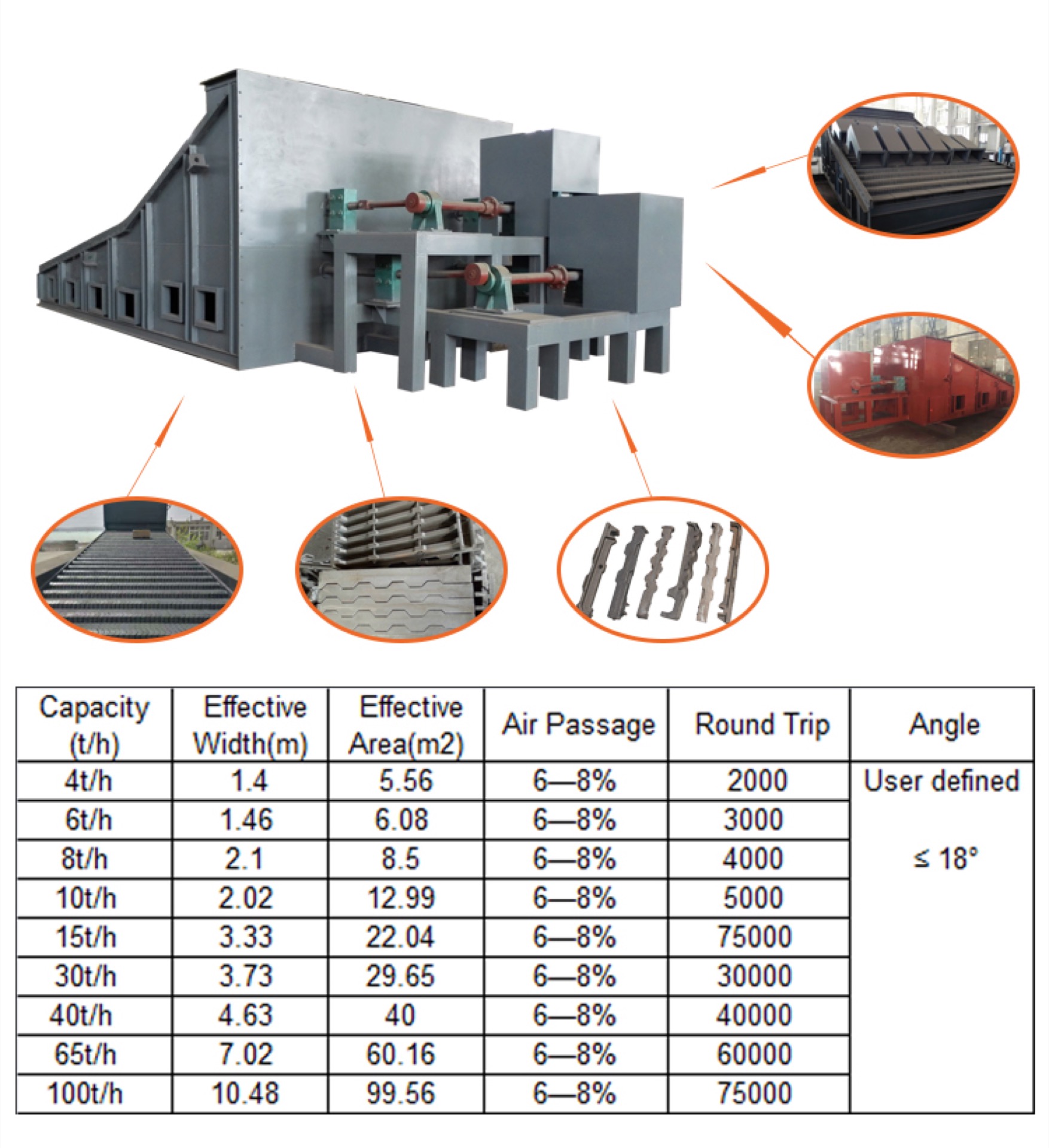
Applicable Scenarios Small and medium-sized biomass steam/hot water boilers; fuel is relatively fine, high dust, requiring low slag leakage; Widely used in 6–25t/h SZW biomass reciprocating boilers.
- Wide Bar (Wide Flat Plate Reciprocating Grate Bar, Straight Overlap)

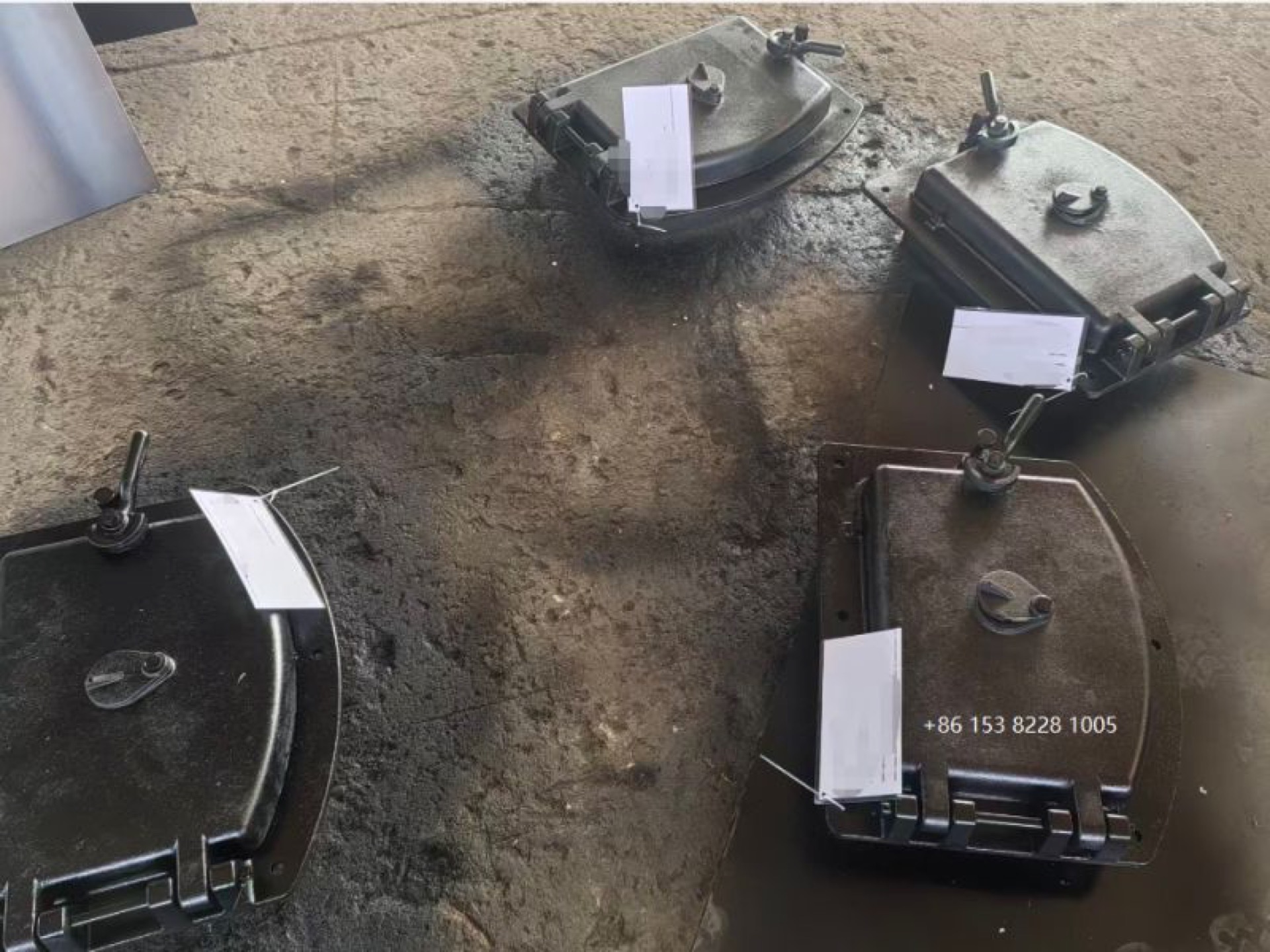
The plate surface is wider, overall straight, with larger overlapping areas, a single bar covers a large grate width; ventilation openings are concentrated at the front edge.
✅ Advantages A single row of bars covers a large area, for the same grate width, the total number of grate bars is smaller, reducing later maintenance and replacement workload; Strong load-bearing capacity, suitable for large fuel: wood sections, large wood chips, bark; Processing cost is slightly lower, large stock availability.
❌ Shortcomings Engagement sealing is weaker than S-type, slag leakage for fine fuel becomes significantly larger; Weak material layer disturbance, almost no automatic coke breaking ability; fuel easily forms shells, local oxygen deficiency.
Applicable Scenarios Fuel is mainly large wood, with little fine powder; tail grate in burnout zone (only conveying ash and slag); low-cost renovation projects.
- T-Type Grate Bar (T-shaped rib structure, ventilation enhanced version)
Structural Characteristics Cross-section is T-shaped, the front bears the fuel, the lower vertical ribs enhance cooling; straight-through ventilation channels are formed between bars.
✅ Advantages Largest ventilation volume, best permeability; sufficient oxygen supply for thick material layers and high-moisture biomass fuel, complete combustion; Large back cooling ribs, good air cooling effect, high temperature resistance, main combustion zone not prone to burnout; Stronger material layer turning when pushing fuel, suitable for fuels prone to coking.
❌ Shortcomings Large gaps, most serious slag leakage for fine biomass; pure rice husks, fine wood chips are not recommended for full use.
Applicable Scenarios High-moisture wood chips, bark, straw briquettes; large biomass reciprocating grate main combustion zone; conditions with large fuel particles and low fine powder proportion.