
Differences Between Chain Grates and Reciprocating Grates
Chain grates, also known as chain belt grates, are the most commonly used in layer combustion boilers; reciprocating grates are divided into inclined reciprocating and horizontal reciprocating grates. Both belong to moving layer combustion grates. The core difference: in chain grates, fuel moves synchronously with the grate; in reciprocating grates, grate bars move relative to each other, and fuel is continuously turned and pushed.
I. Core Structure and Principle Differences
- Chain Grate (Chain Belt Grate)
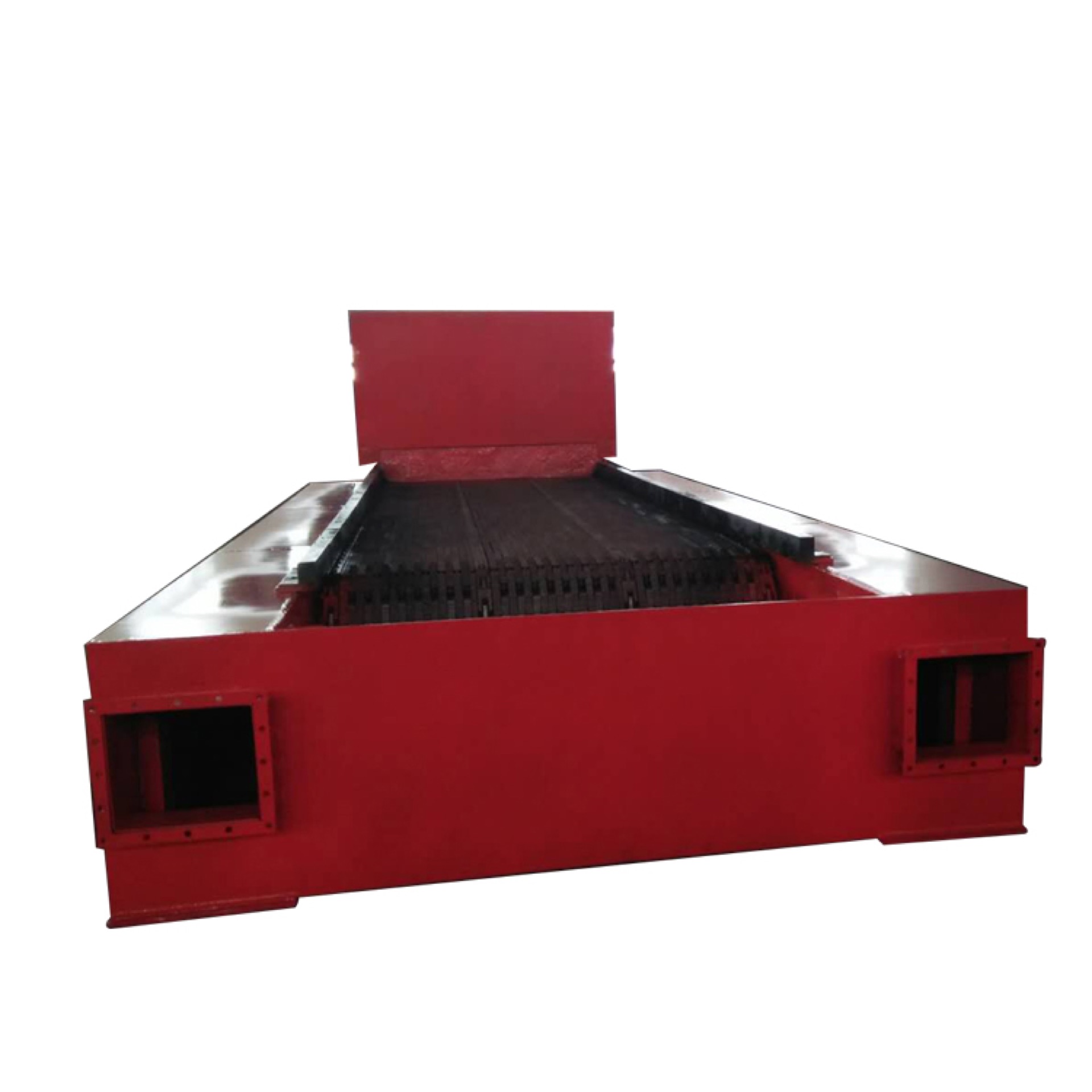
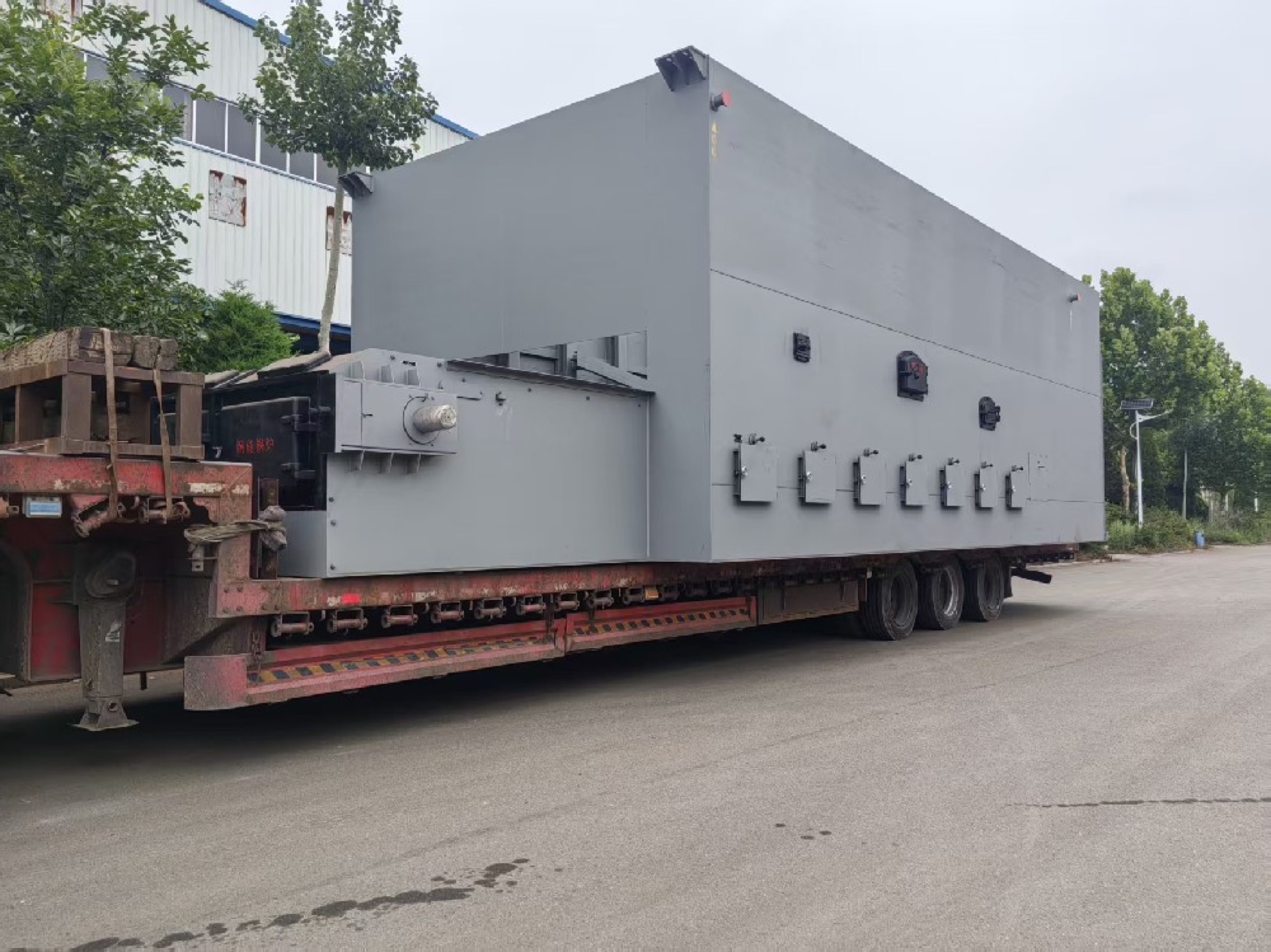
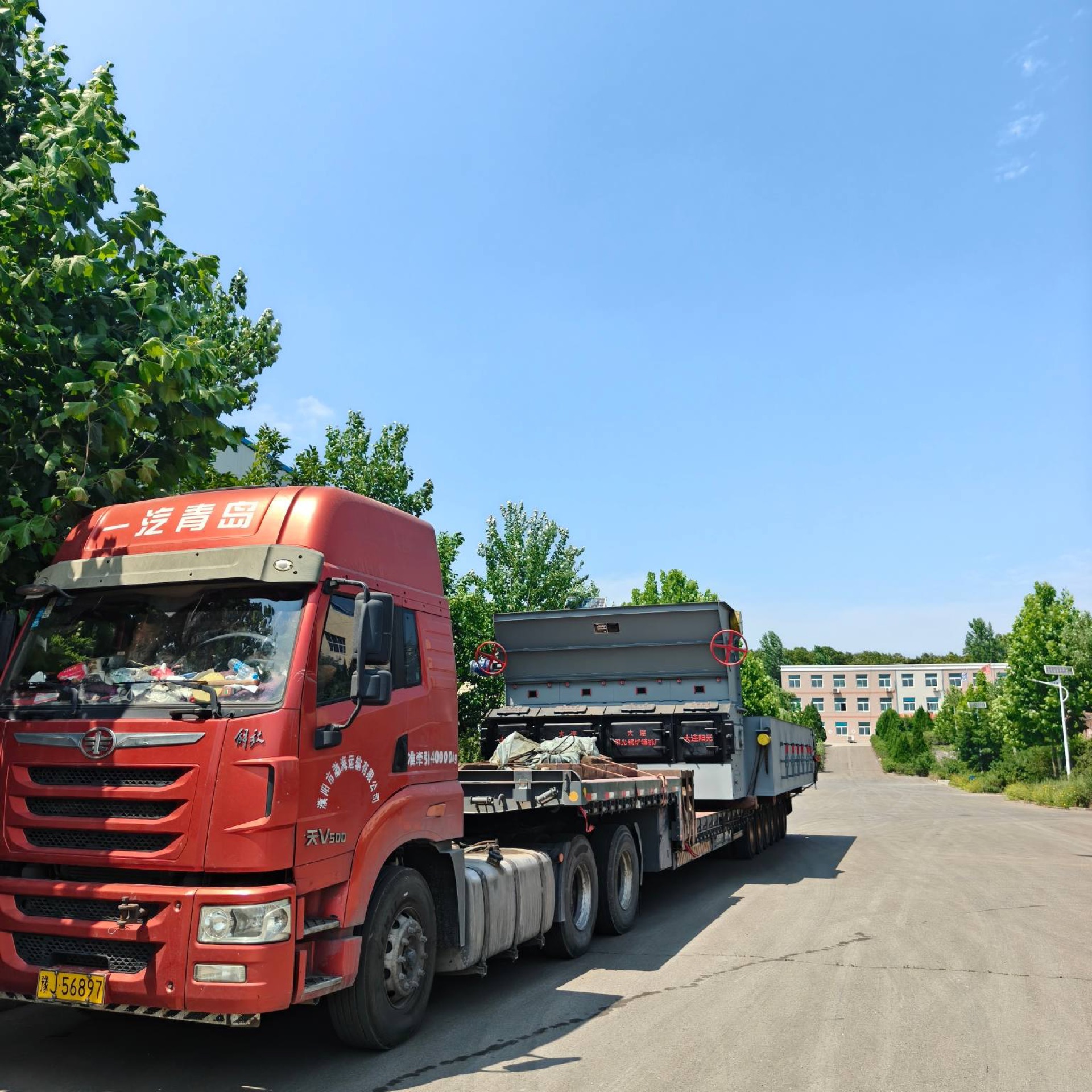
Chain grate boiler Structure: The sprocket drives the entire chain belt/chain, grate bars are fixed on the chain, and the entire grate surface moves backward at a uniform speed; fuel is laid flat on the grate, and there is almost no relative sliding between the fuel and the grate. Ignition method: Single-sided ignition New fuel enters the furnace and is ignited only by radiant heat from the upper furnace, burning from top to bottom; the grate sequentially completes drying from front to back → volatile combustion → coke combustion → burnout and slag removal. Coal layer state: The fuel layer is stable and rarely turned. After coking, the ash shell is not easily broken, easily blocking air.
- Reciprocating Grate
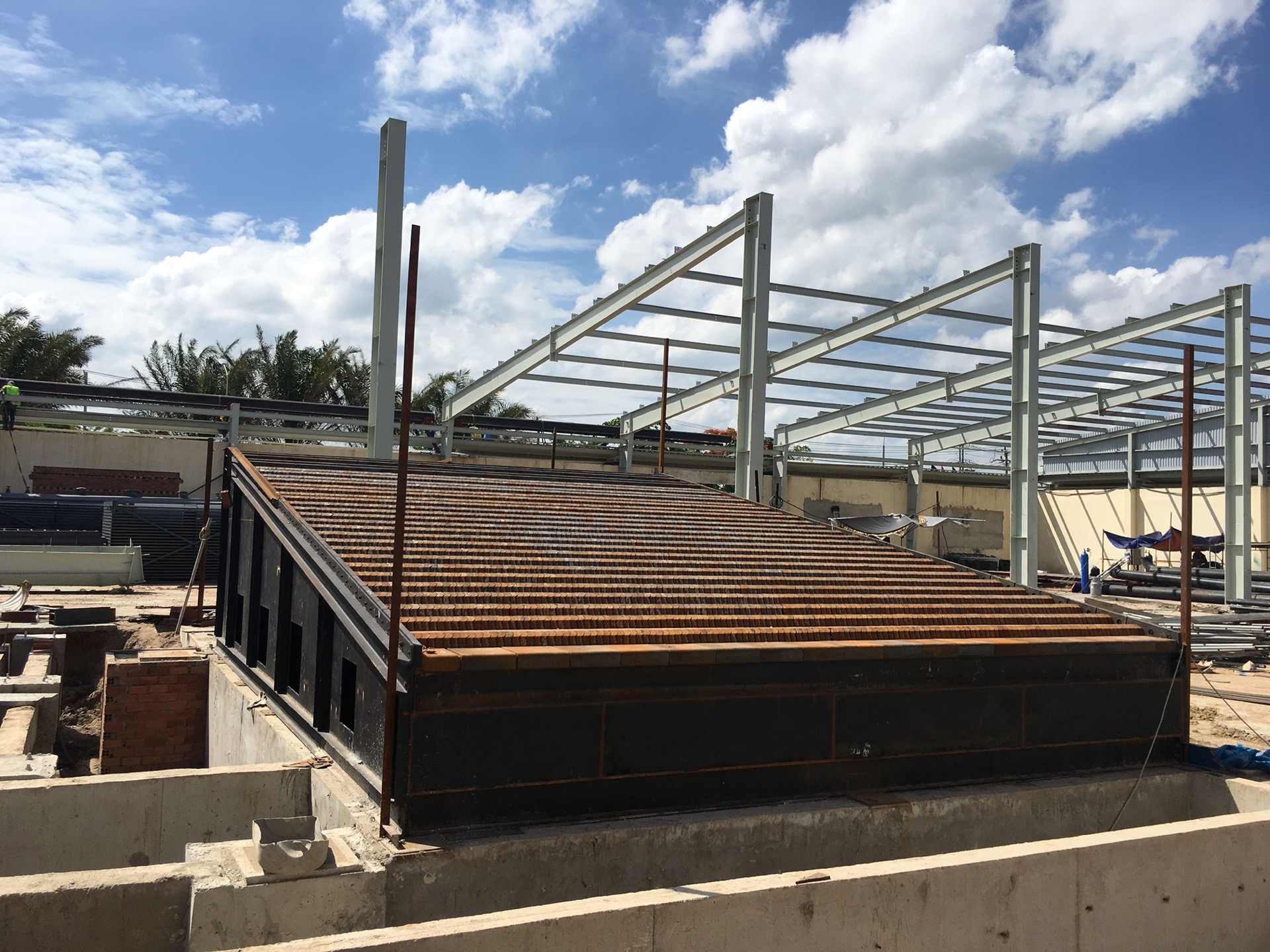
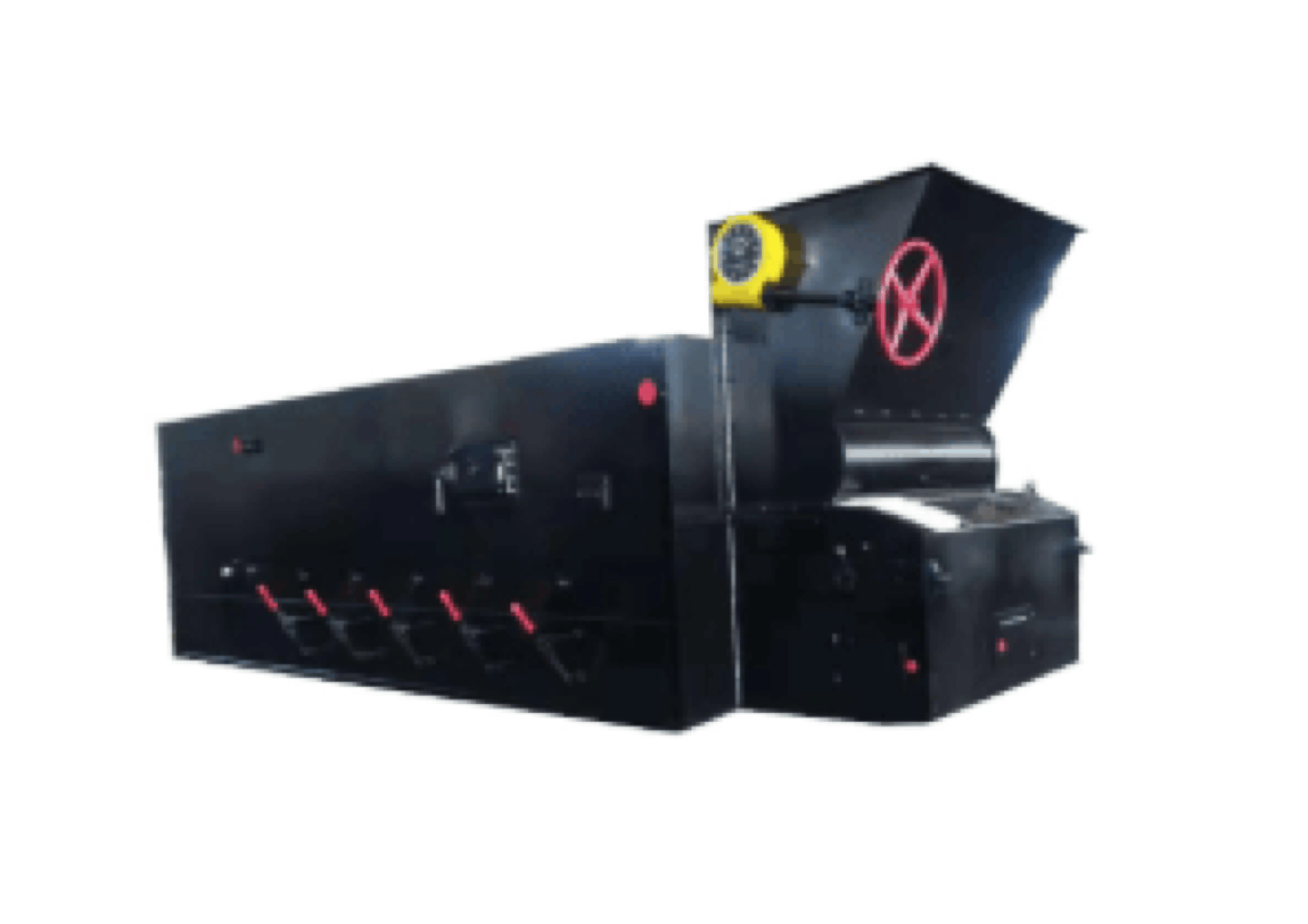
Inclined reciprocating grate Structure: Composed of staggered fixed grate bars + movable grate bars; the drive mechanism drives the movable grate bars to reciprocate front and back, gradually pushing the fuel backward step by step. Ignition method: Double-sided ignition (advantage) When the movable grate returns, it turns the hot red charcoal to the bottom of the new fuel, heating the new material from both top and bottom simultaneously, making it easier to ignite wet fuel and low-calorific-value fuel. Coal layer state: Continuous turning, strong disturbance Continuously squeezing and rolling the coal layer, automatically breaking coke blocks and breaking surface ash shells, better permeability.