
Characteristics and Air Distribution of Staged Combustion on Chain Grates
Characteristics and air distribution of staged combustion on chain grates
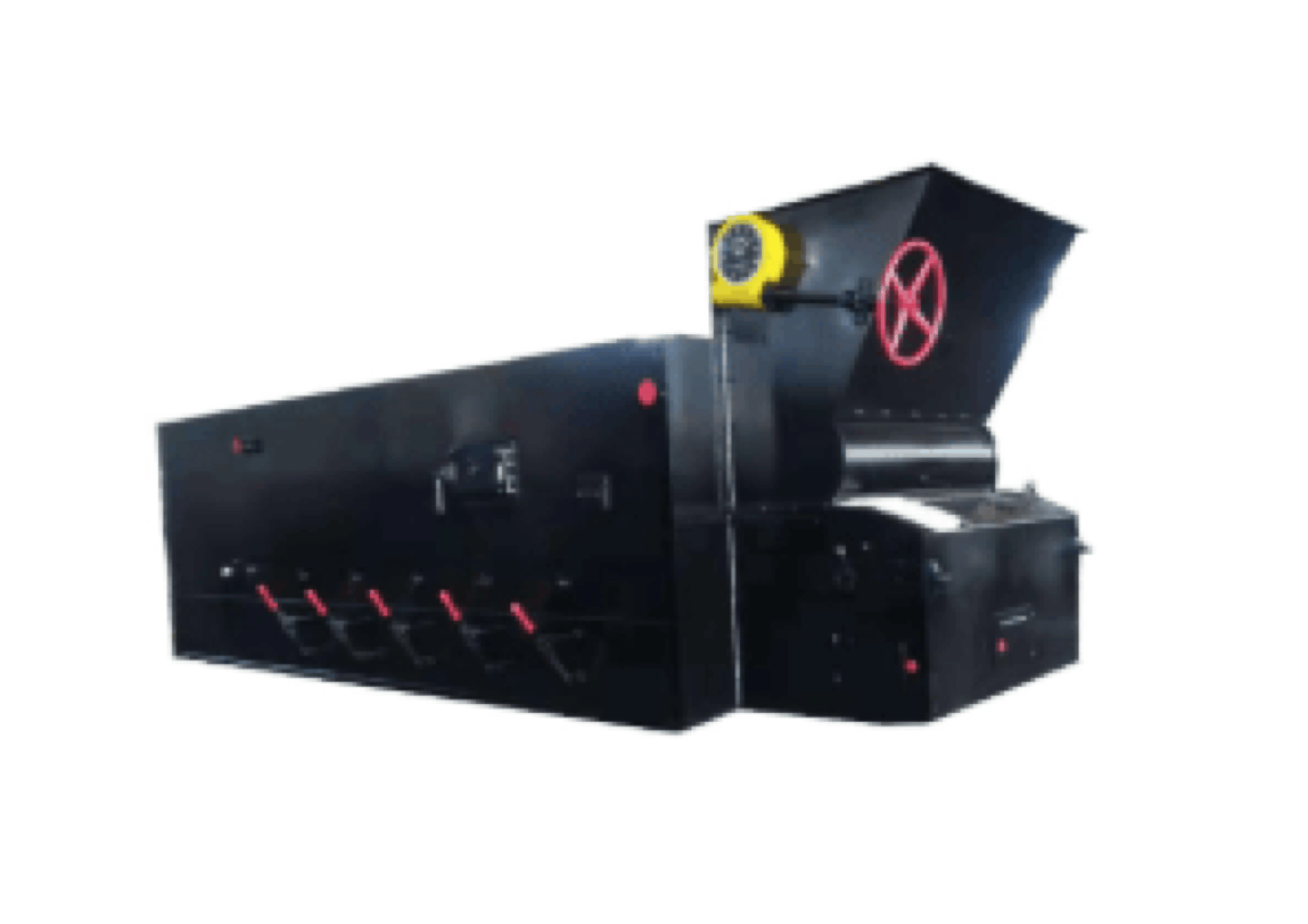
The chain grate is a common boiler combustion device. Its combustion process adopts staged-combustion technology, aiming to improve combustion efficiency and reduce pollutant emissions. The characteristics of staged combustion on chain grates and the air distribution method are key factors affecting its performance.
Characteristics of staged combustion on chain grates
The main characteristic of staged combustion on a chain grate is that the fuel burns in stages on the grate. This design helps to better control the combustion process and improve combustion efficiency. Specifically, the fuel starts at the front end of the grate and gradually moves backward, passing through the stages of preheating, drying, ignition, combustion, and burnout in sequence during its movement. Staged combustion allows the fuel to burn more fully, reducing unburned losses and improving the boiler’s thermal efficiency.
Air distribution method
The air distribution method for staged combustion on a chain grate is crucial to its combustion results. A sound air distribution method ensures that the fuel receives sufficient oxygen at each combustion stage on the grate, thereby achieving efficient and stable combustion.
According to practical experience and theoretical research, the air distribution method for staged combustion on a chain grate usually adopts the strategy of “less air at the front and rear sections, and a larger air supply in the middle.” Specifically, at the front and rear sections of the grate, where the fuel is in the preheating and burnout stages, the demand for oxygen is relatively low, so the air supply can be appropriately reduced. In the middle of the grate, where the fuel is in the ignition and combustion stages, the demand for oxygen is the greatest, so the air supply needs to be increased to ensure the fuel burns fully.
The advantage of this air distribution method is that it can flexibly adjust the air supply according to the fuel’s combustion process, avoiding unnecessary waste of oxygen and loss of heat. At the same time, it also helps reduce pollutant emissions, because complete combustion can reduce the generation of harmful substances such as carbon monoxide and nitrogen oxides.
Summary
Staged-combustion technology on chain grates achieves an efficient and stable combustion process through a sound air distribution method. This technology not only improves the boiler’s thermal efficiency and reduces unburned losses but also helps lower pollutant emissions. Therefore, in practical applications, the air distribution method should be flexibly adjusted according to the characteristics of the fuel and the boiler’s operating conditions to achieve the best combustion results.
In short, the characteristics and air distribution of staged combustion on chain grates are key to achieving efficient, eco-friendly combustion. Through continuous optimization and adjustment, we can further improve boiler performance and provide more reliable and efficient energy support for industrial production.