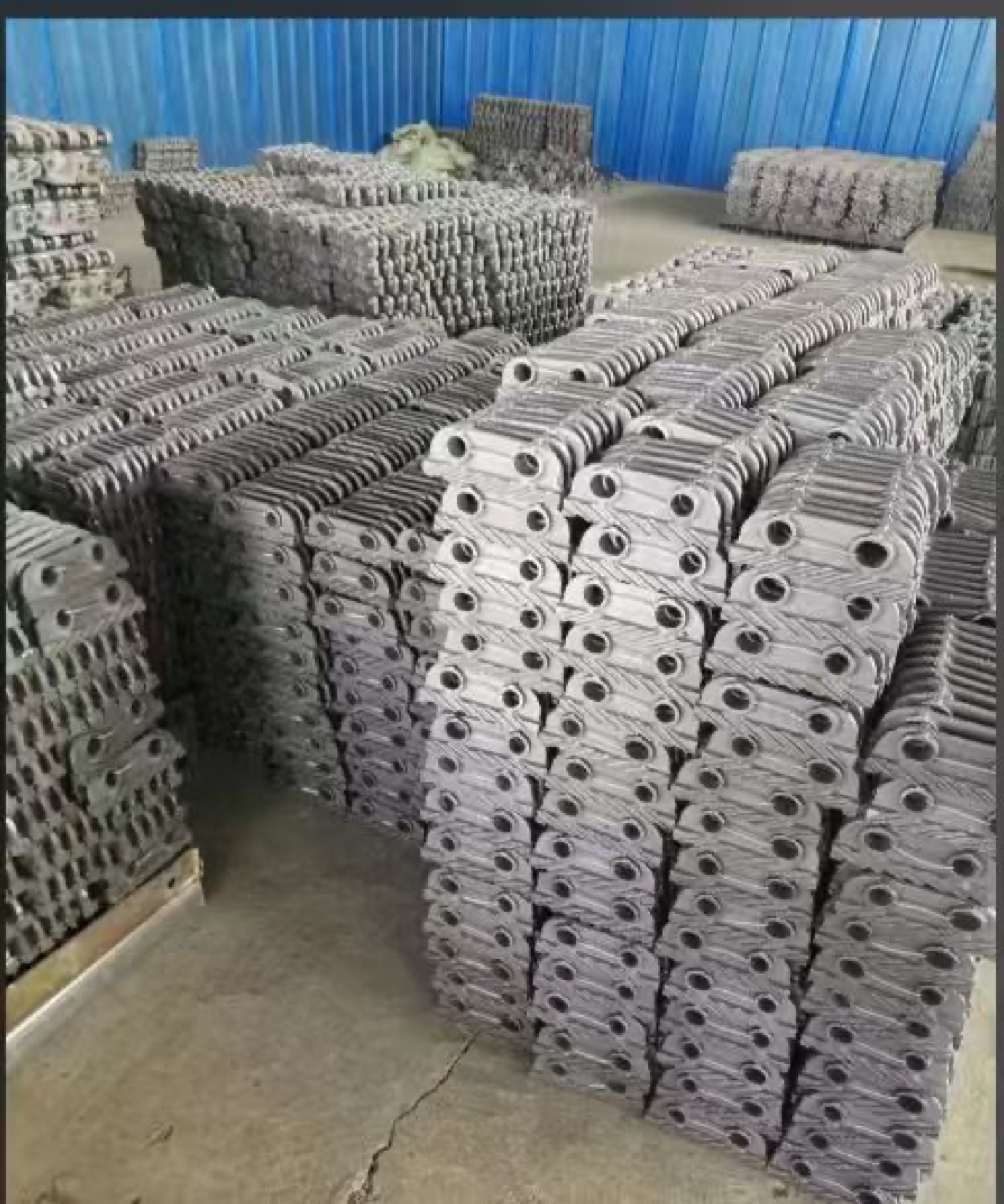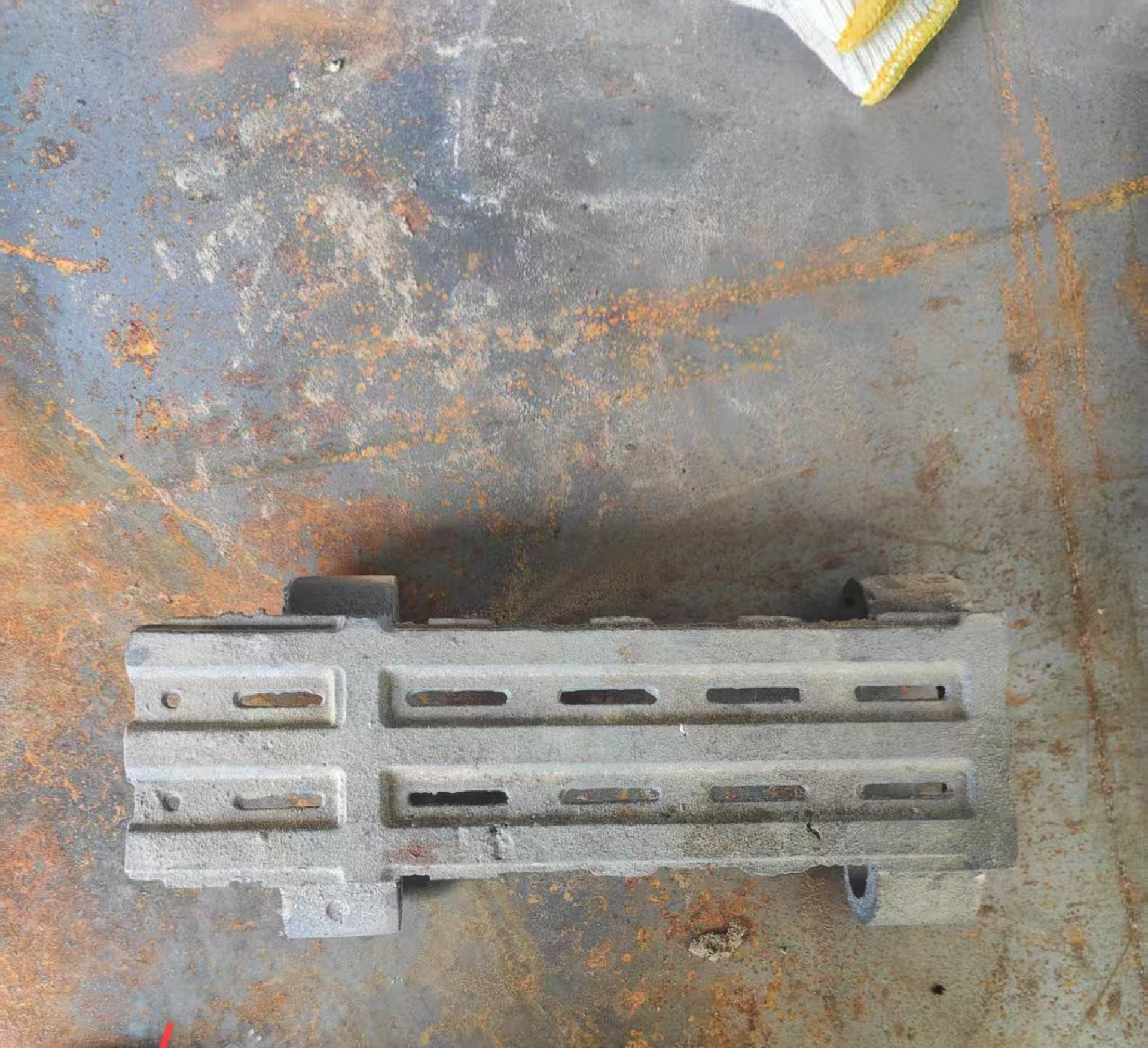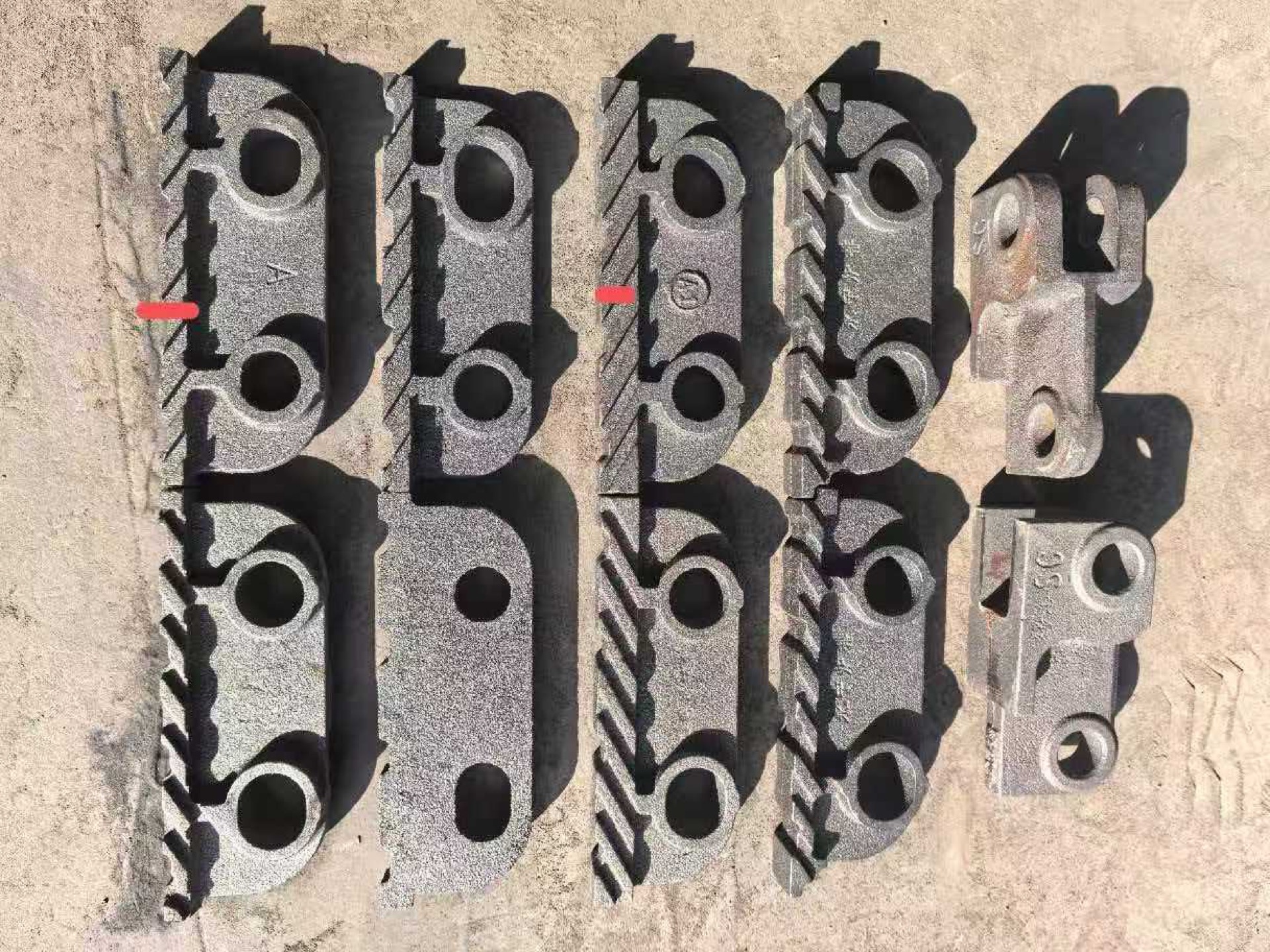

High-Chromium Wear-Resistant Cast Iron and Alloy Steel Grate Bars
High-Chromium Wear-Resistant Cast Iron (Mid-to-High End, Main Material for Heavy-Wear Conditions)
Representative grade: KMTBCr26 (Cr26 high-chromium cast iron)
Core performance:
- Long-term service temperature: ≤850°C; hardness HRC58–62, wear resistance ranks at the top of all cast iron systems;
- Microstructure: austenite + hard chromium carbides, extremely resistant to abrasive erosion and compressive wear; moderate oxidation resistance;
- Advantages: wear life is 2–3 times that of ordinary heat-resistant cast iron, resistant to ash erosion, resistant to creep deformation at high temperatures;
- Disadvantages: moderate resistance to rapid heating and cooling, chloride ion corrosion resistance inferior to heat-resistant steel, cannot serve long-term above 900°C.
Applicable scenarios:
- Large-tonnage chain grate bars, reciprocating push-feed grates, biomass pellet boilers (straw, wood chips with high ash content, extremely strong wear);
- Circulating fluidized bed auxiliary grates for heating power plants, heavy-load bearing parts of layer-fired boilers;
- Coal-fired scenarios pursuing wear life with furnace temperatures not exceeding 900°C; currently the most widely applied material in domestic layer-fired furnaces (approximately 50% share).
Heat-Resistant Austenitic Cast Steel (High-End Mainstream, First Choice for High-Temperature + Thermal Shock Conditions)
Chromium-nickel austritic heat-resistant cast steel, with thermal shock resistance, high-temperature strength, and oxidation resistance far superior to all cast irons, divided into three common grades:
1. ZG3Cr18Mn12Si2N (Chromium-Manganese-Nitrogen Steel, Nickel-Free Economical Heat-Resistant Steel)
- Temperature resistance: 850–950°C
- Characteristics: Uses Mn and N to replace precious nickel, moderate cost; excellent resistance to alternating thermal shock, resistant to carburization, good high-temperature toughness; oxidation resistance inferior to high-nickel steel;
- Applicable: Frequently started/stopped industrial boilers, reciprocating grates, medium-sized biomass boilers, chain grate movable bars (high-cost-performance high-end option)
2. ZG35Cr24Ni7SiN (247 Alloy)
- Temperature resistance: 1050–1100°C
- Characteristics: Balanced chromium-nickel ratio, comprehensively excellent high-temperature strength, oxidation resistance, and sulfur corrosion resistance; outstanding thermal shock performance;
- Applicable: Large industrial coal-fired boilers, high-temperature biomass incinerators, waste heat boiler grates, conventional sections of waste incinerator drying/combustion zones.
3. ZG40Cr25Ni20Si2 (Equivalent to Rolled 310S Heat-Resistant Steel)
- Temperature resistance: up to 1200°C, the highest-temperature conventional material commercially available for grate bars;
- Characteristics: High-chromium high-nickel austenite, ultimate high-temperature oxidation resistance, high-temperature creep resistance, and sulfur corrosion resistance; can withstand severe temperature fluctuations;
- Disadvantage: expensive;
- Applicable: Municipal solid waste incinerators, hazardous waste incinerators, power station boiler high-temperature section grates, severe conditions with furnace temperatures exceeding 1000°C.