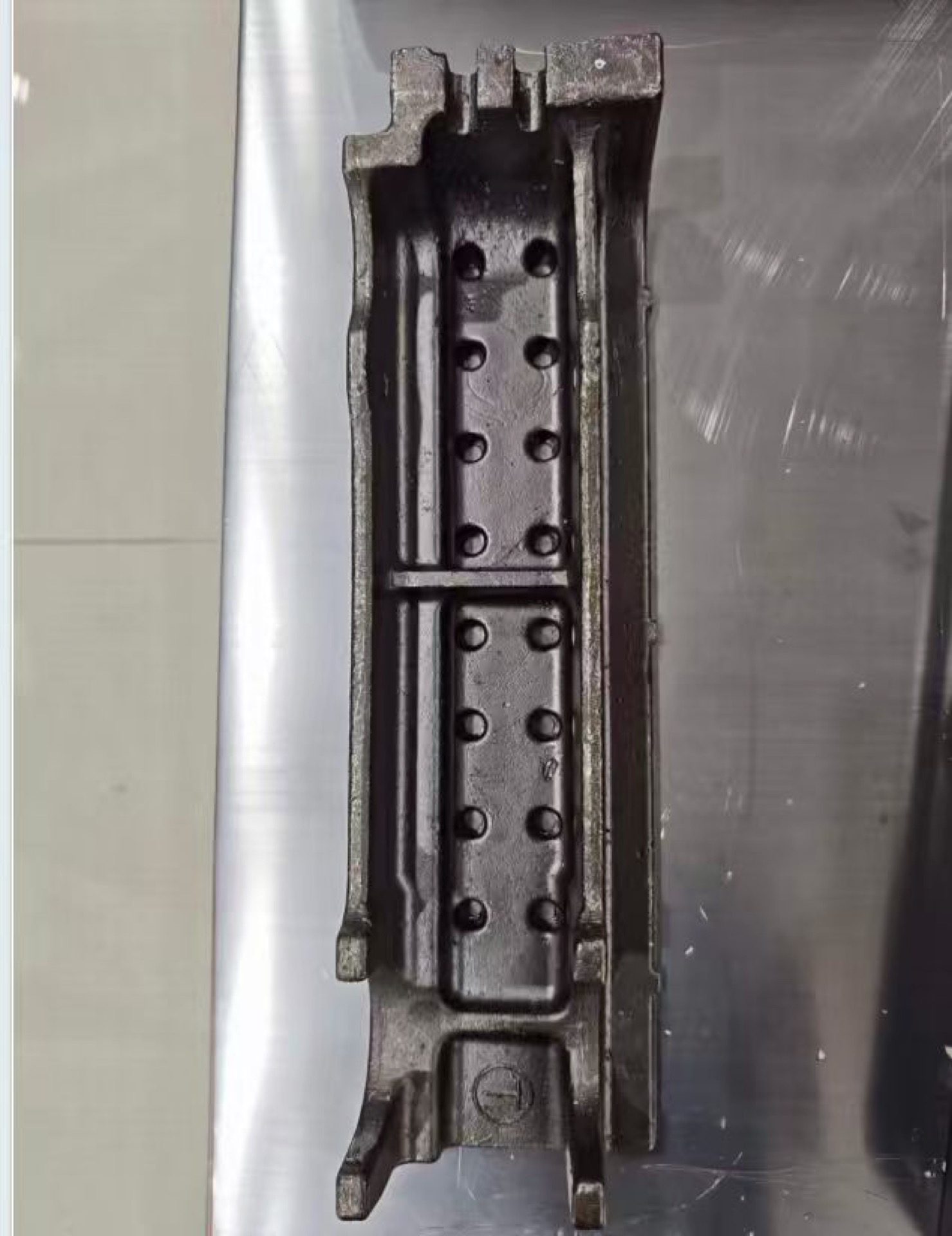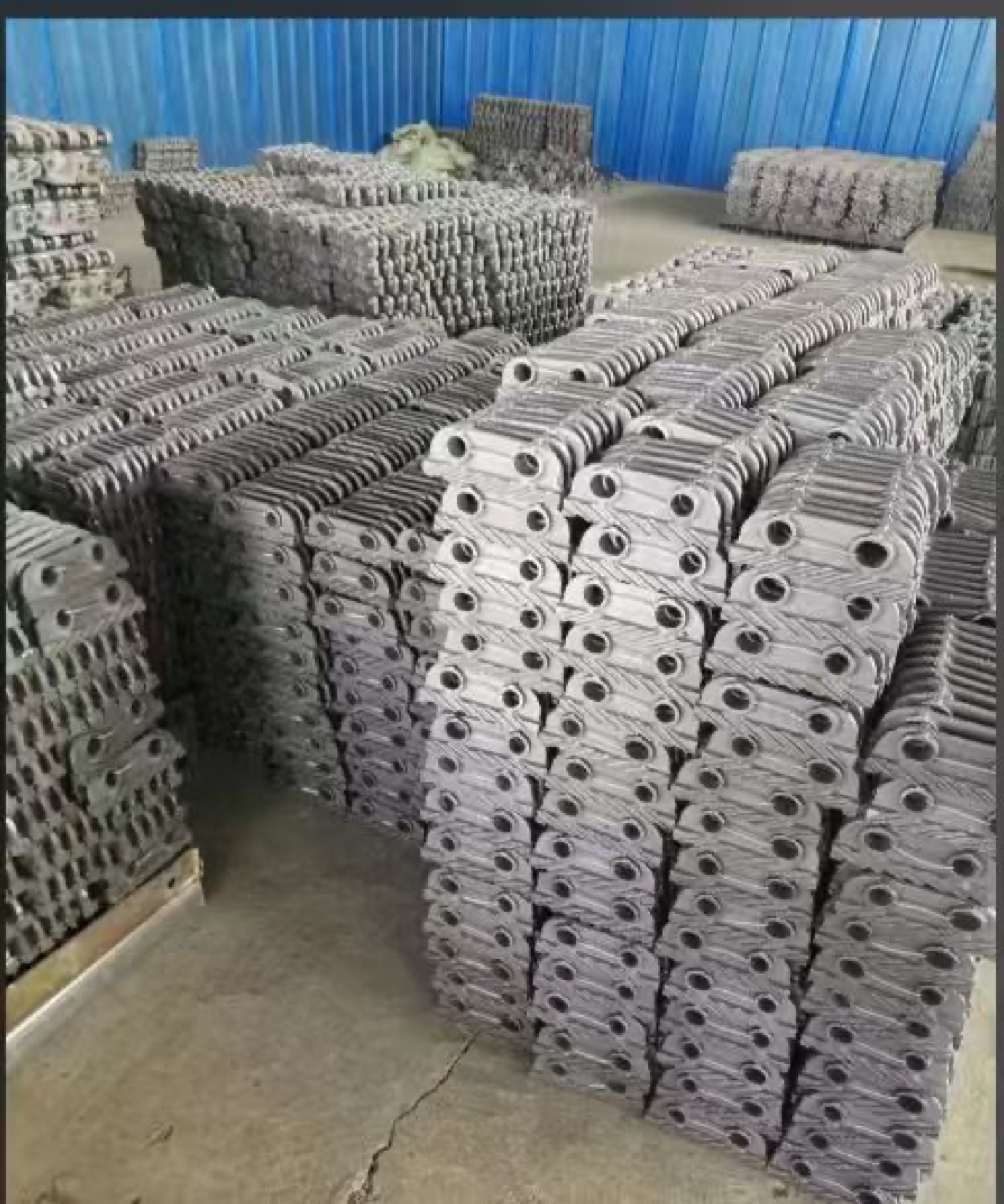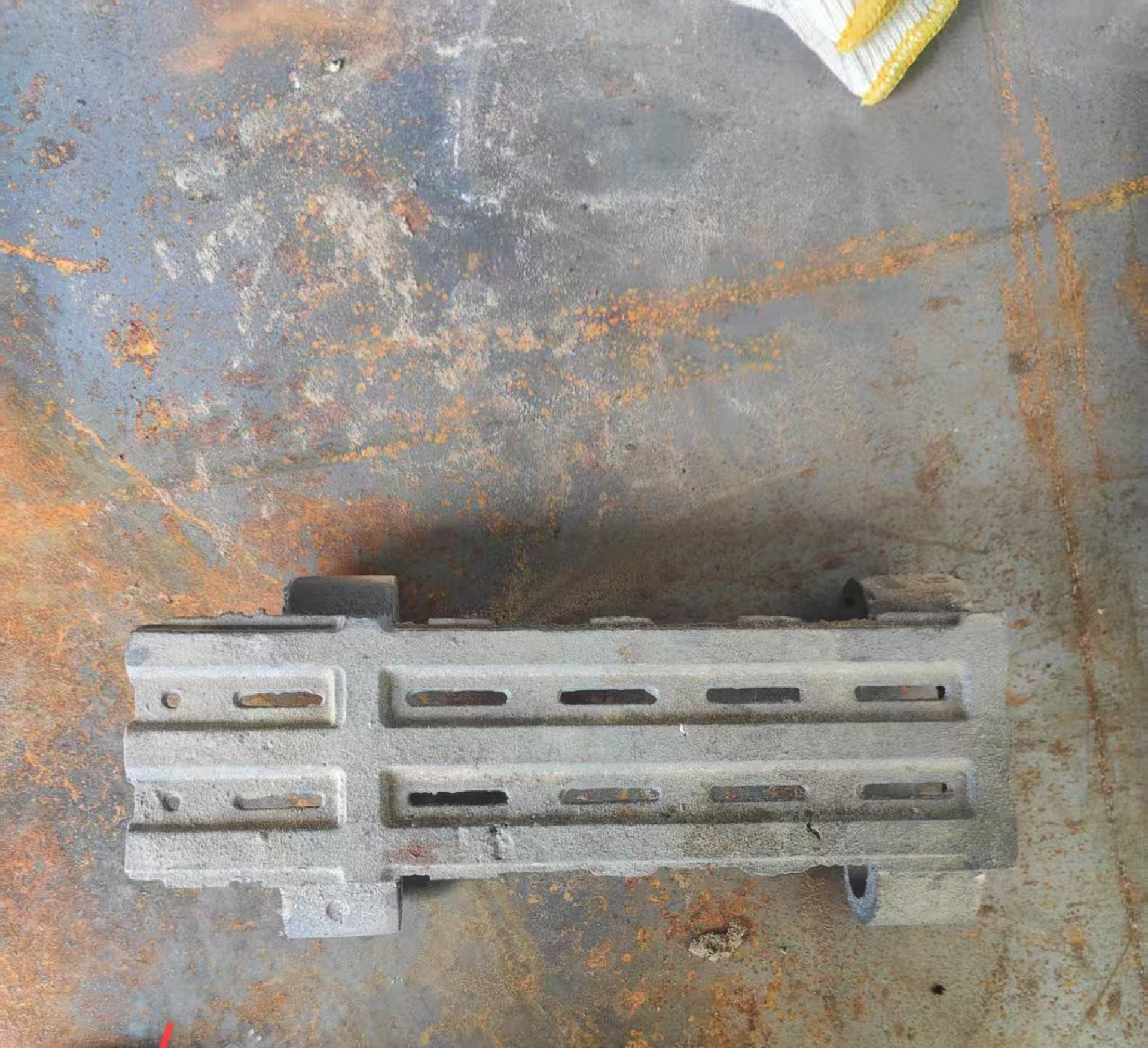

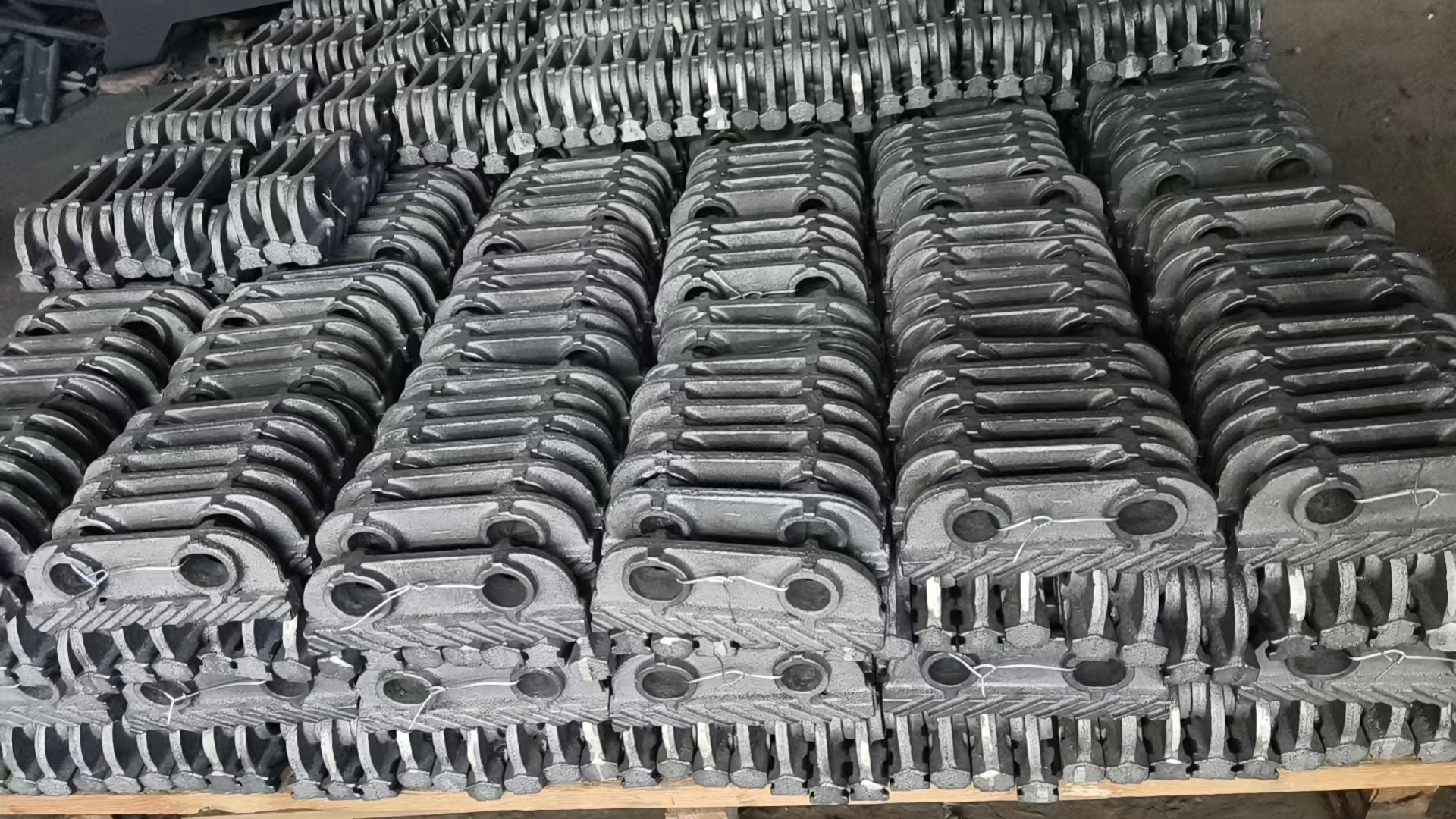
High-Temperature Performance of RTSi5 Heat-Resistant Cast Iron Grate Bars
I. Basic Material Parameters
Grade: RTSi5, national-standard heat-resistant cast iron, silicon content 4.5%–5.5%, matrix primarily ferritic; Designed long-term safe operating temperature: 750°C–850°C, short-term peak tolerance up to 880°C.
II. Comprehensive Performance Within the Suitable Temperature Range (750–850°C, Mainstream Boiler Conditions) — Optimal State
1. High-Temperature Oxidation Resistance (Core Advantage)
Upon heating, the surface spontaneously generates a dense, intact SiO₂ (silicon dioxide) protective film that adheres firmly to the casting surface:
- Isolates atmospheric oxygen, preventing continuous oxidative erosion; no large-scale scaling, spalling, or thinning;
- In conventional coal and biomass furnaces, the wear-and-burn rate of grate bars remains very low over years of operation;
- Compared with ordinary gray cast iron: at the same temperature, the oxidation resistance lifespan is 2.5–4 times that of gray iron.
2. Thermal Shock Resistance (Alternating Hot and Cold)
Boiler startup/shutdown, banking, and intermittent heating cause rapid temperature fluctuations:
- Superior to gray cast iron and high-chromium cast iron;
- Drawback: toughness is lower than ductile cast iron and cast steel;
- For intermittent heating boilers with daily startup/shutdown, cracking and breakage are essentially nonexistent; however, frequent severe thermal shock (pouring cold water into the furnace, sudden influx of large volumes of cold air) can still cause cracking.
3. High-Temperature Strength and Deformation
At 750–850°C:
- Low high-temperature creep, resistant to warping and bending deformation; grate gaps do not widen, preventing increased coal leakage;
- Stable load-bearing; fully adequate for chain grate fuel distribution and pressure requirements.
4. Flue Gas Corrosion Resistance
- Conventional medium- and low-sulfur coal: SO₂ corrosion is minimal, service life remains stable;
- Straw and wood-chip biomass fuels: adequate resistance to potassium and sodium alkaline ash corrosion, resistant to alkali metal erosion and spalling;
- Weakness: resistance to high-sulfur corrosion is far inferior to chromium-containing heat-resistant cast iron.
5. Wear Resistance
At high temperatures, the inherent friction coefficient is moderate; chain grate active bar pin reciprocating friction and ash erosion wear are within acceptable limits, meeting the 12–24 month service life requirement for conventional coal-fired boilers.
III. Performance Degradation Under Overtemperature Conditions (>880°C, Sustained High Temperature)
880°C–950°C
The surface SiO₂ protective film begins to soften, crack, and spall, losing its protective function:
- Grate bars oxidize and thin rapidly, edges scale and spall;
- High-temperature creep intensifies; grate bars warp and bend overall, mating gaps become misaligned, chains jam, and coal leakage increases;
- Brittleness rises significantly; minor vibration or thermal shock causes fracture;
- Service life is directly reduced by more than half.
Long-Term Operation Above 950°C
RTSi5 is completely unsuitable: oxidation proceeds extremely rapidly, and the bars can be burned through and scrapped within just a few months.
IV. Disadvantages and Limitations (Inherent Defects in High-Temperature Environments)
Poor Sulfur Corrosion Resistance
When burning high-sulfur coal or inferior coal, SO₂ penetrates the silicon oxide film and corrodes the matrix, causing pitting perforation and rust pits, significantly reducing service life. For such conditions, RTCr1 and RTCr2 low-chromium cast iron are superior.
Low Toughness, Poor Impact and Reciprocating Compression Resistance
Under the reciprocating push-pull impact loading of reciprocating grates, brittleness further increases at high temperatures, making edge breakage and cracking more likely. Cast steel or ductile iron is preferred for reciprocating grates.
Moderate Resistance to Strong Alkaline Slag Erosion
When burning pure straw or rice husk in large quantities, alkaline ash continuously melts and adheres to the grate bars, slowly eroding the surface during long-term high-temperature operation.
V. Service Life Reference for Different Operating Conditions (RTSi5 Grate Bars)
- 24h continuous firing of ordinary raw coal, furnace temperature around 800°C: 18–26 months
- Intermittent heating boiler, daily startup/shutdown: 12–18 months
- Co-firing small amounts of biomass pellets: 12–20 months
- Sustained 900°C high-temperature furnace operation: 4–8 months to failure
- Long-term combustion of high-sulfur inferior coal: 8–12 months
VI. One-Sentence Summary
RTSi5 is the most cost-effective material for conventional coal/biomass chain grate boilers operating at 750–850°C. As long as the furnace temperature does not exceed limits and the fuel sulfur content is not high, it is durable and worry-free. Once the furnace operates above 880°C for extended periods or burns high-sulfur fuel, overall performance declines significantly.