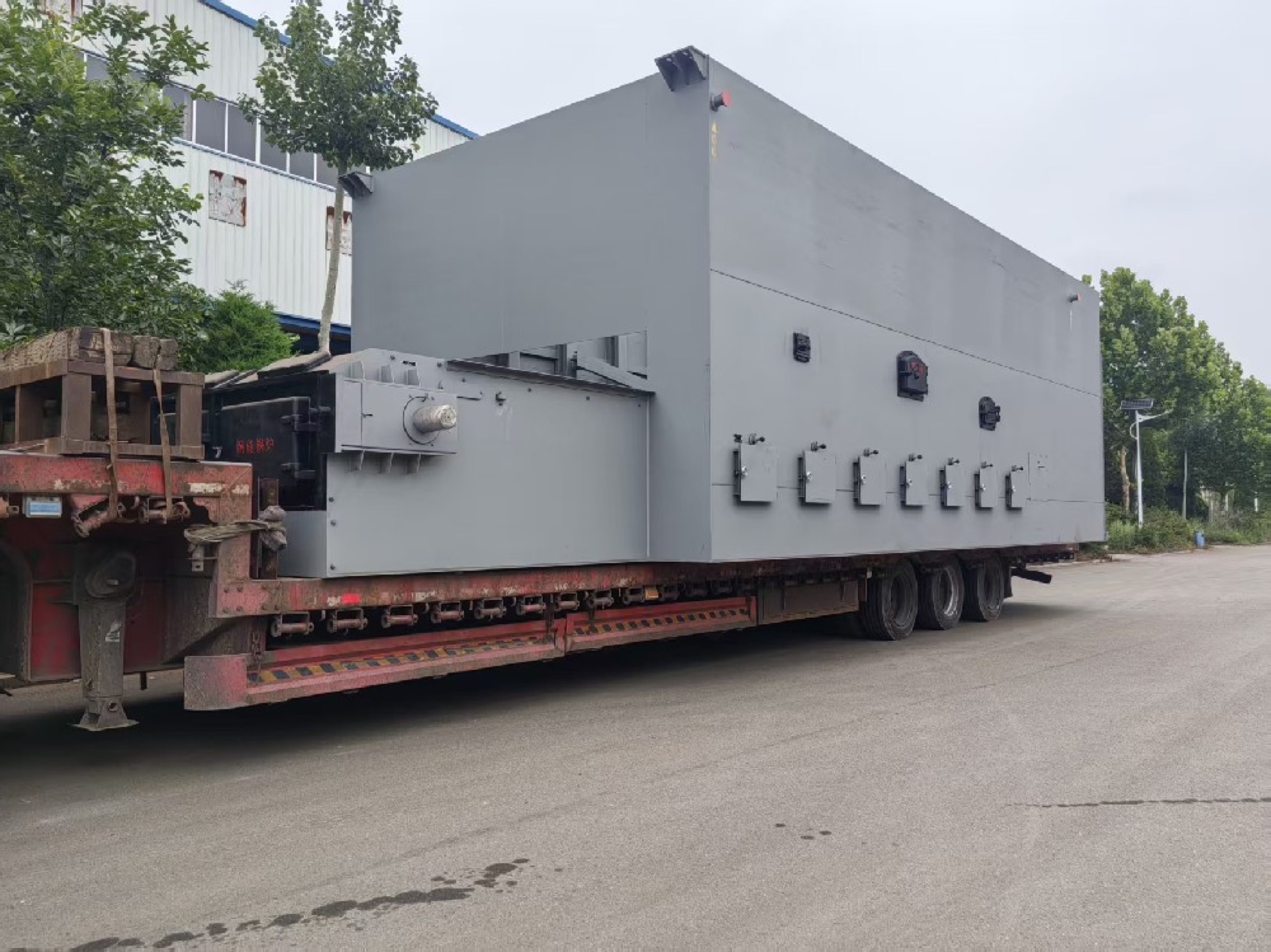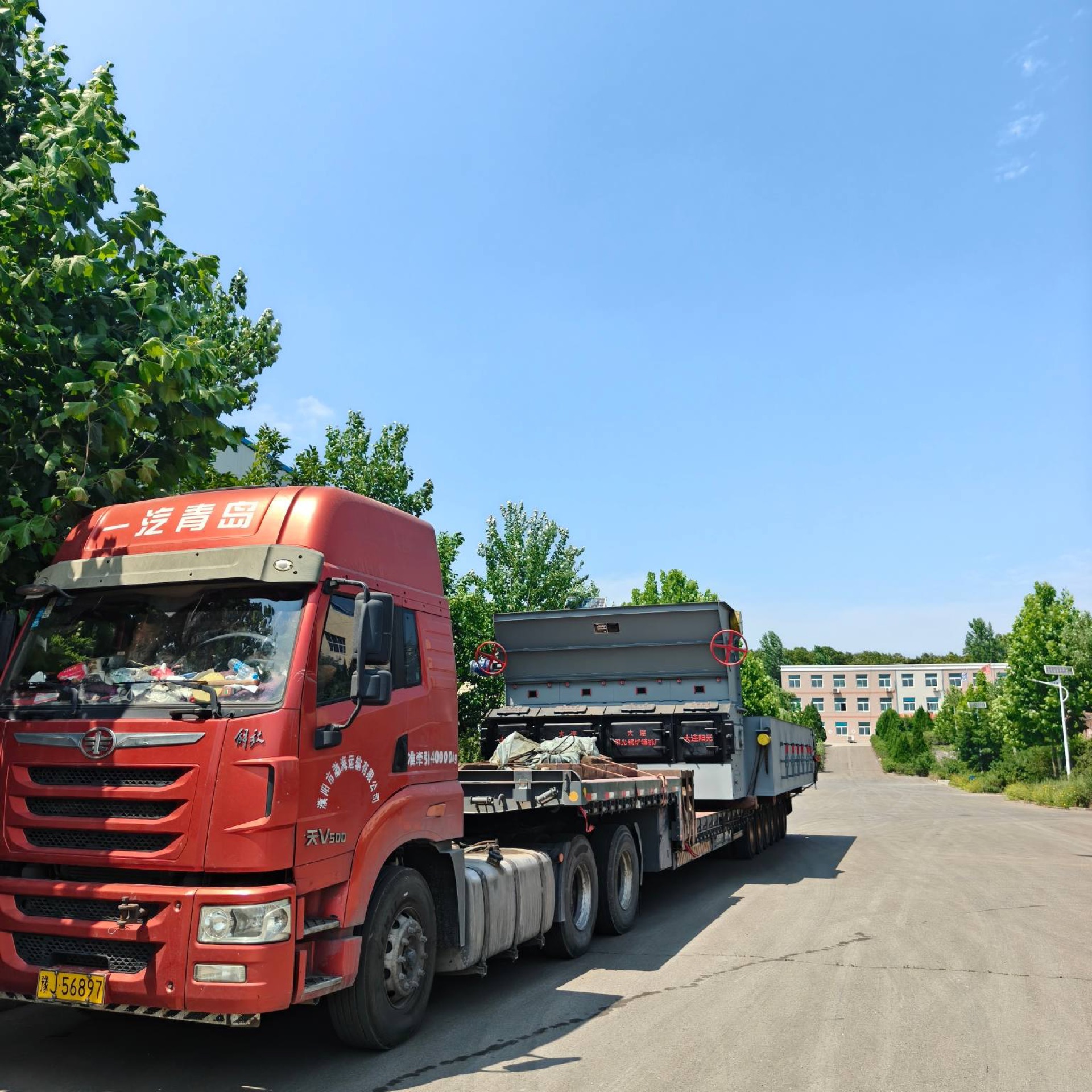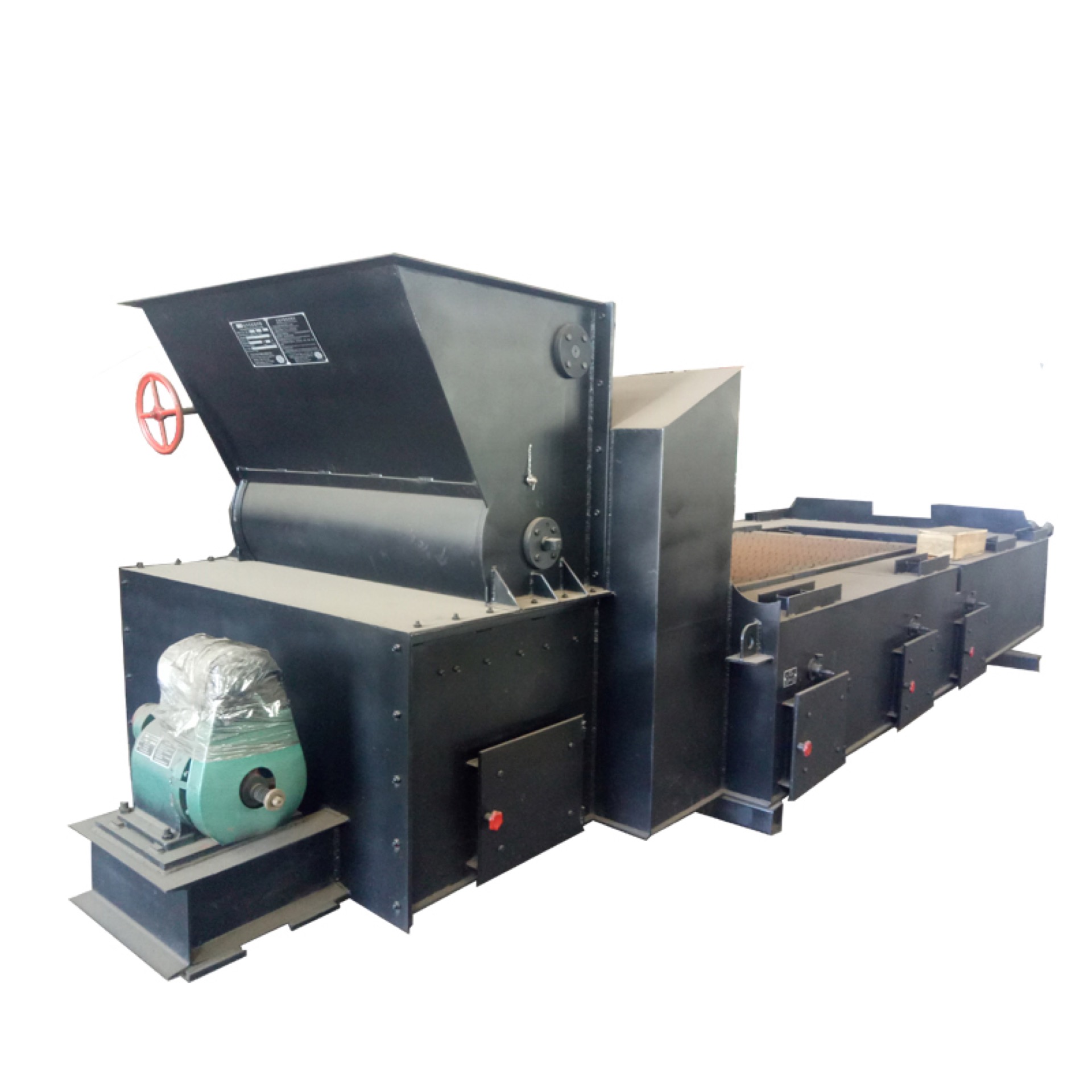

How to Choose Between Chain Grates and Reciprocating Grates Based on Fuel?
Fuel Types Prioritized for [Chain Grate (Chain Belt Grate)] Applicable characteristics: uniform particle size, low moisture, stable calorific value, not prone to coking
Coal Class II high-quality bituminous coal; particle size 6~50mm; as-received moisture <20%; ash melting point >1200°C; weakly caking coal. Not suitable for: strongly caking coal, high-ash inferior coal, lignite (too high moisture), raw coal with excessive coal powder.
Biomass Fuel Formed fuel: biomass pellets, briquettes, regular wood chips (uniform particle size, moisture content ≤20%). ⚠️ Shortcoming: wet wood chips, crushed straw, mixed waste easily stratify, cake, and are difficult to ignite; direct firing on chain grate is not recommended. Suitable conditions: stable fuel source, pre-screened and processed fuel, long-term 24h continuous operation, pursuing long grate life.
✅ Fuel Types Prioritized for [Reciprocating Grate] Applicable characteristics: high moisture, irregular particle size, low calorific value, loose waste, fuel prone to coking
Coal Inferior bituminous coal, high-ash coal, lignite, low-calorific-value coal, non-uniform mixed coal; can withstand moisture ≤30%; slightly caking coal.
Biomass Waste (Advantage Area) Wet wood chips, sawdust, bark, straw, rice husks, bagasse, crushed wood scraps; loose agricultural and forestry waste with moisture content 25%~45%.
Other
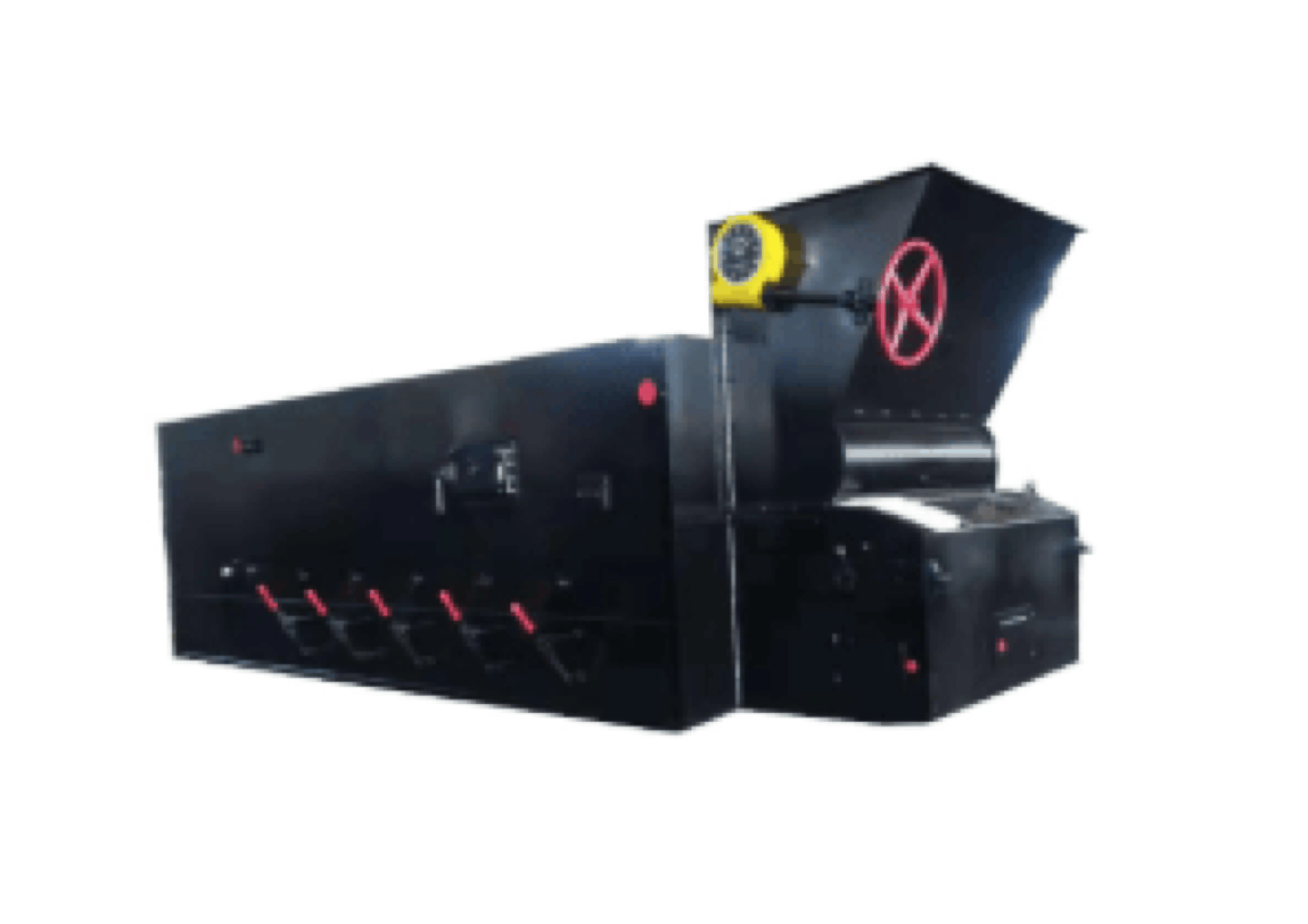
Sludge co-combustion, light industry combustible waste residue, mixed fuels with frequently changing fuel types. ⚠️ Limitations: not suitable for long-term pure burning of high-melting-point large hard slag fuels; not suitable for extremely fine powder (large fly ash loss). Suitable conditions: factory self-produced waste, large fuel quality fluctuations, intermittent operation, unable to invest in fuel screening preprocessing.
Concise Selection Formula Fuel is regular, dry, stable quality → Chain grate High-quality bituminous coal, biomass pellets, clean wood chips, long-term continuous operation prefers chain; smooth operation, durable grate. Fuel is wet, messy, much waste, large calorific value fluctuations → Reciprocating grate Wet wood chips, straw, inferior raw coal, multiple fuel co-firing, select reciprocating, relying on turning to improve ignition and combustion.
Common Misconception Reminders Not necessarily higher efficiency for reciprocating furnaces: when fuel is high-quality and stable, a well-tuned chain grate has higher thermal efficiency; only when fuel conditions are poor does the reciprocating grate show its advantage. Reciprocating grate maintenance costs are higher: high-temperature movable grate bars are wear parts and require regular replacement; chain grate daily maintenance workload is lower. Chain grates are not incapable of burning biomass, but loose wet biomass should not be directly fed to chain grates; it is extremely prone to ignition difficulty, black smoke, and insufficient output. If you provide: boiler tonnage, planned fuel (coal/biomass, moisture, particle size, calorific value), and whether 24-hour operation, we can directly provide a clear grate type recommendation with furnace and air distribution matching suggestions.