
How to Choose the Right Grate Bar Material Based on Actual Needs?
I. First, Identify the Core Influencing Factors
Furnace Temperature, Operating Temperature ✅ Medium-low temperature, ordinary coal, stable furnace temperature, no prolonged direct flame exposure → RQTSi5 medium-silicon heat-resistant nodular cast iron (mainstream general-purpose), balancing heat resistance, thermal fatigue resistance, wear resistance, and reasonable cost ✅ High-temperature furnace, high-calorific-value coal, prolonged direct flame baking, repeated thermal cycling, prone to cracking and deformation → Chromium-series heat-resistant cast iron (RTCr, RTCr16) / high-chromium heat-resistant cast steel (ZG40Cr9Si2, etc.), with stronger oxidation resistance, creep resistance, and high-temperature deformation resistance ✅ Old small boilers, light load, intermittent operation, lower temperature → High-quality gray cast iron HT250 can be used short-term; not suitable for long-term full-load operation (prone to burnout, deformation, brittle fracture)
Coal Quality (Sulfur Content, Ash, Impurities, Slagging Tendency) ✅ Ordinary low-sulfur raw coal: RQTSi5 is sufficient, offering the best cost-performance ratio ✅ High-sulfur coal, corrosive flue gas, acidic slagging, severe sulfate corrosion → Select chromium-alloy heat-resistant cast iron, high-chromium alloy materials to enhance sulfur corrosion resistance and slagging erosion resistance; avoid rapid erosion of ordinary gray cast iron and ordinary nodular iron ✅ Hard slag, large coal particles, many gangue, severe wear, frequent impact → Balance wear-resistant base materials; active load-bearing grate bars (drive engagement sections) should separately use malleable cast iron (KTH series) to improve toughness, impact resistance, and fracture prevention; static grate bars still use heat-resistant cast iron
Load Operating Mode (Continuous/Intermittent, Start-Stop Frequency, Load Fluctuation) ✅ 24-hour continuous full-load operation, large industrial boilers: prioritize heat-resistant alloy cast iron / heat-resistant cast steel to reduce creep elongation, deformation, jamming, and bar loss ✅ Intermittent heating boilers, frequent start-stop, large thermal cycling impact: prioritize RQTSi5 medium-silicon nodular iron with good thermal fatigue resistance to reduce thermal fatigue cracks; use high-chromium materials with excessive brittleness cautiously ✅ Small load, seasonal operation, small heating furnaces: use qualified medium-silicon nodular iron with cost priority
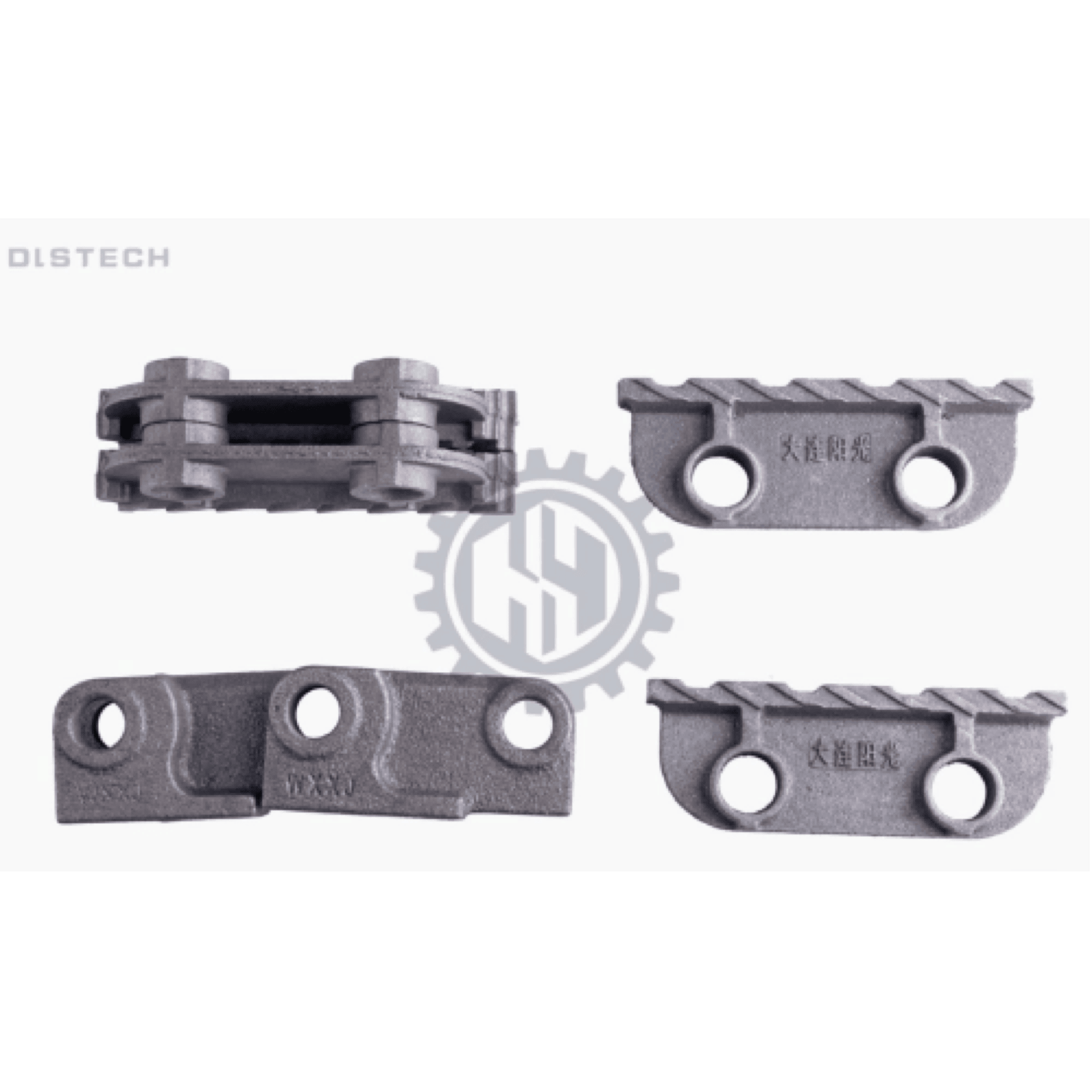
Grate Structural Position Differences (Active Bars / Driven Bars / Side Bars) Active grate bars (load-bearing engagement, pulling the entire grate): core requirements are toughness, tensile resistance, impact resistance → malleable cast iron (KTH), tough alloy cast iron, not suitable for purely brittle high-temperature materials Driven / main combustion zone grate bars (direct flame exposure, prolonged heat): core requirements are high-temperature resistance, oxidation resistance, corrosion resistance → RQTSi5 / chromium-series heat-resistant cast iron Sealing side, edge grate bars: balance heat resistance + wear and scratch corrosion resistance, suitable alloy cast iron can be used
Budget and Maintenance Cost Long-term operating boilers: invest more in heat-resistant alloy materials upfront to reduce frequent replacement downtime losses, resulting in lower overall total cost Short-term / backup boilers: use standard medium-silicon nodular iron to control initial procurement costs Beware of inferior ordinary cast iron low-price products: short-term savings, frequent maintenance, affecting boiler operation safety
Specification and Parameter Matching Confirm material grades comply with industry boiler accessory standards, match original grate dimensions, thickness, and structure to ensure assembly compatibility and no jamming