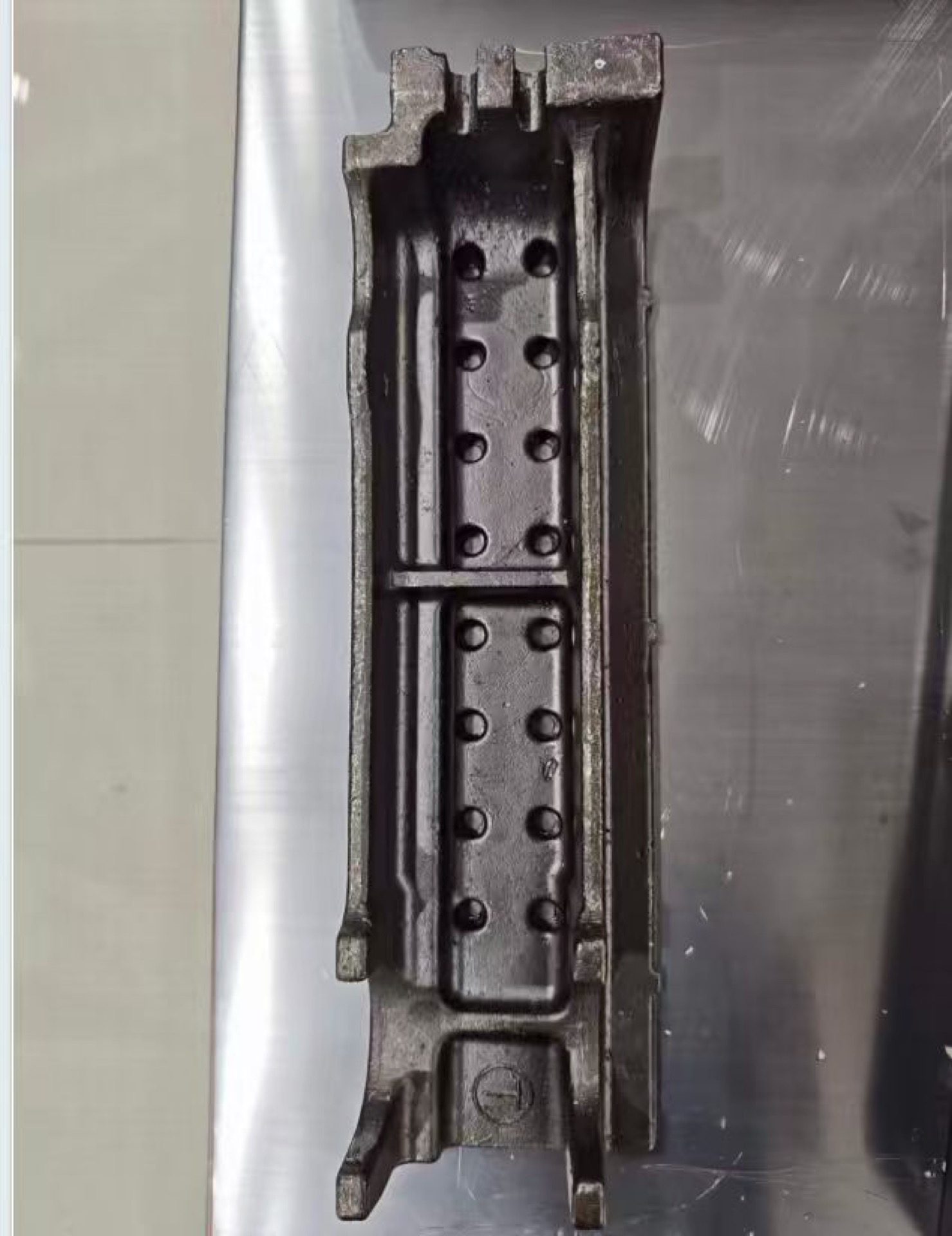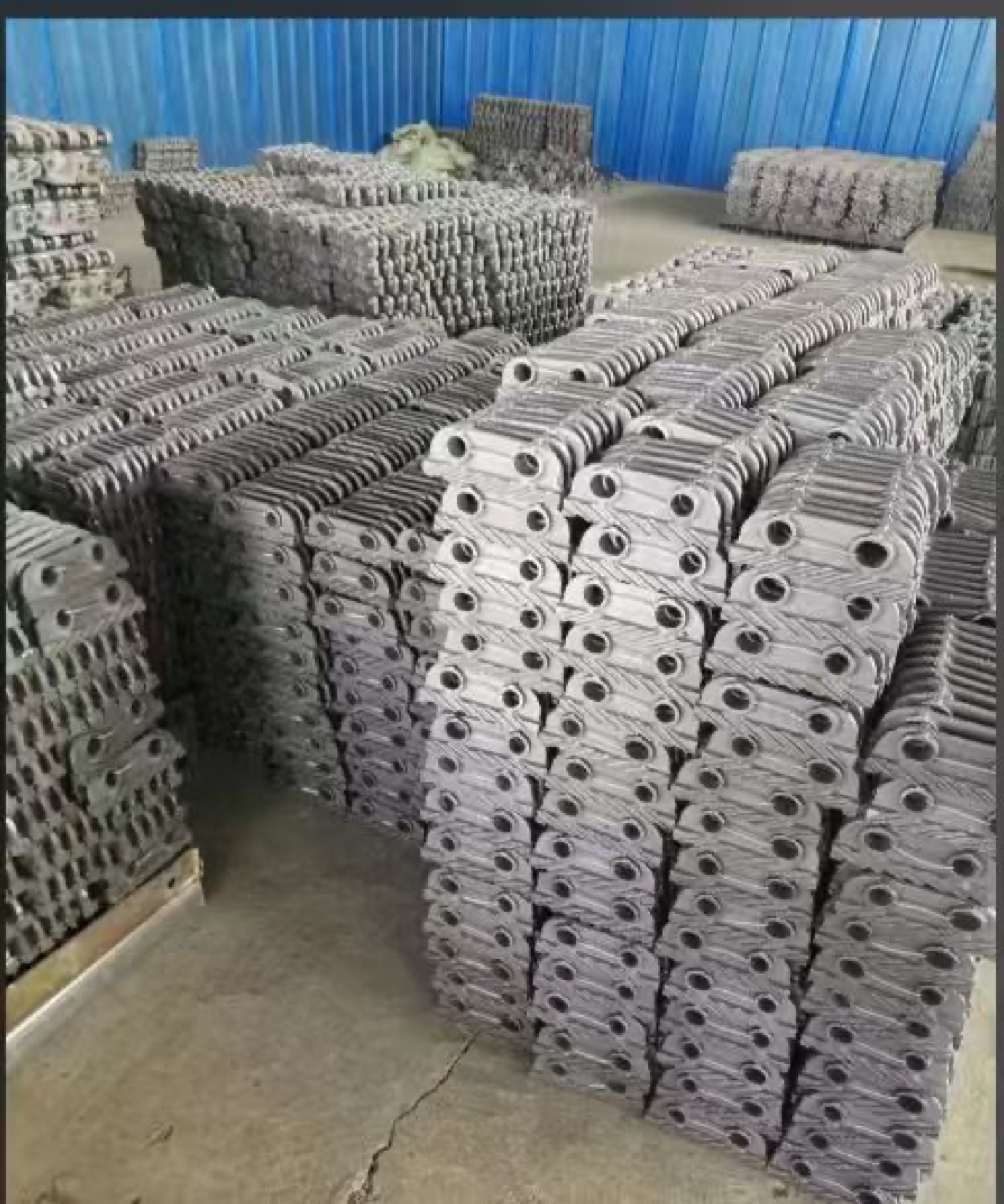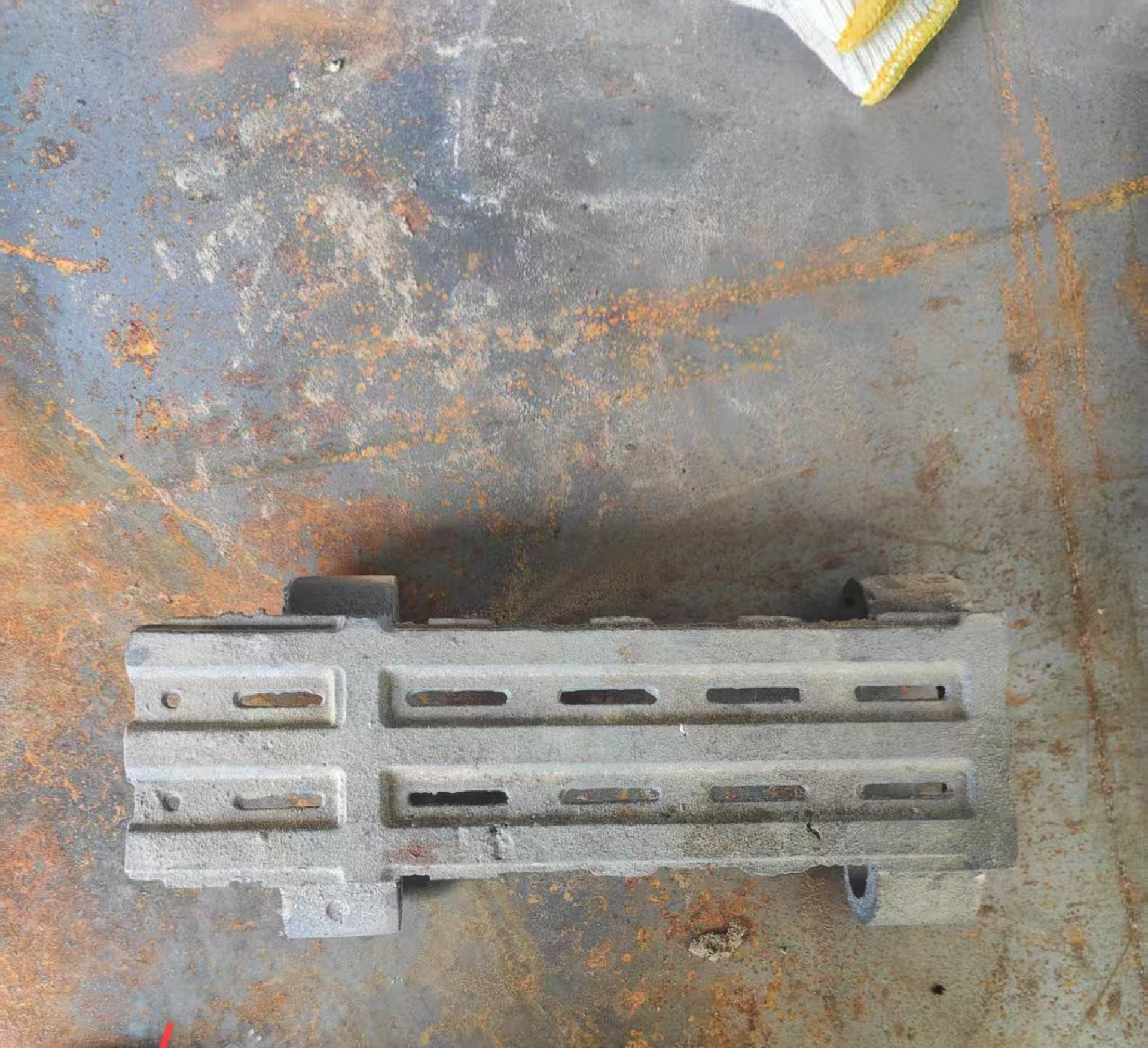

How to Choose the Right Grate Bar Material Based on Actual Requirements?
Complete practical approach for grate bar material selection Core selection logic: Combustion temperature > Fuel type (sulfur, ash, corrosion) > Grate structural stress conditions > Budget cost, compare step by step.
I. Step 1: Determine the Long-Term Furnace Operating Temperature (Most Critical Indicator) The first cause of grate failure: high-temperature oxidation burnout, thermal expansion and contraction cracking. Selection baseline divided by temperature:
Operating temperature < 700°C (Low-temperature conditions) Applicable for: small heating boilers, atmospheric hot water boilers, low-load intermittent coal-fired boilers Optional materials: HT200 gray cast iron, malleable cast iron (KTH) Advantages: lowest price; Shortcoming: cannot withstand high temperatures for long, frequent start-stop prone to cracking.
700~850°C (Mainstream range for the vast majority of industrial coal/biomass boilers)
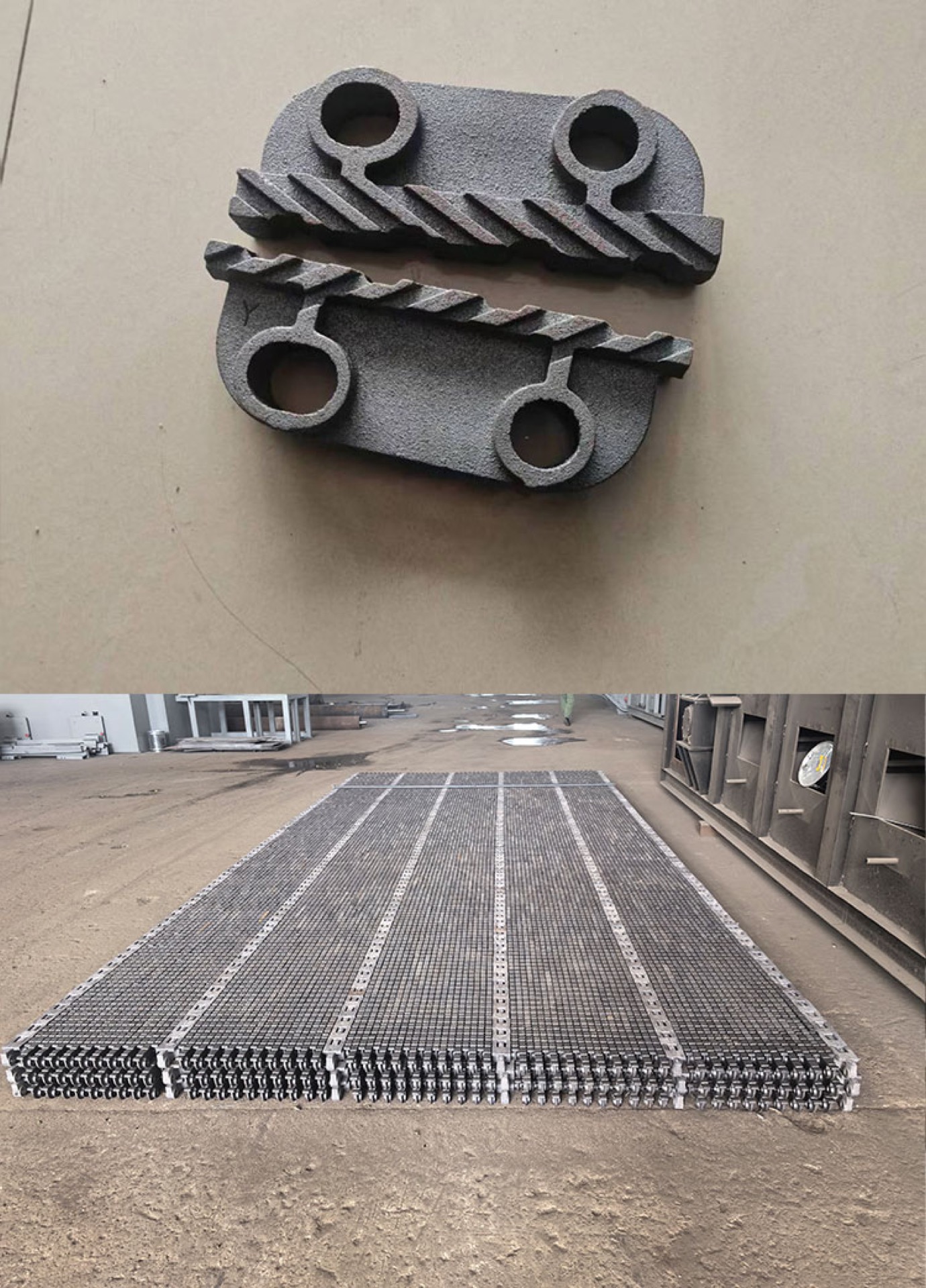
Applicable for: 4t, 6t, 10t chain grates, reciprocating grates, biomass pellet boilers (90% of conventional boilers on the market) First choice: RTSi5 Si 5 heat-resistant cast iron Best overall oxidation resistance, thermal shock resistance, and cost, strongest versatility.
850~920°C (High-temperature combustion conditions) Applicable for: coal powder co-firing, high-load continuous operation boilers, hot air furnaces Selection: Low-chromium heat-resistant cast iron RTCr1/RTCr2 Better heat resistance and deformation resistance than Si 5, suitable for continuous high-temperature operation without shutdown.
Above 900°C (High-temperature furnace of incineration type) Municipal solid waste incineration, large-scale straw incineration, hazardous waste incineration furnaces First choice: RTCr16 high-chromium cast iron / heat-resistant stainless steel cast steel Maximum oxidation resistance and high-temperature creep resistance, eliminating burnout, scaling, and peeling.
II. Step 2: Select Based on Combustion Fuel (Flue Gas Corrosion Determines Corrosion-Resistant Materials) The more sulfur, alkali metals, and corrosive impurities in the fuel, the more ordinary cast iron cannot be used:
Burning ordinary raw coal (medium-low sulfur coal) Clean conditions, weak flue gas corrosion Optimal: Si 5 (RTSi5), best cost-performance choice.
Burning high-sulfur coal, inferior coal, coal gangue Severe sulfur dioxide corrosion in flue gas, Si 5 has average sulfur resistance Select: RTCr1, RTCr2 low-chromium cast iron Chromium element resists sulfide corrosion, not easily eroded and perforated by flue gas.
Burning biomass (wood chips, straw, rice husks) Straw fuel is rich in potassium and sodium alkaline ash, high-temperature slagging sticks to the grate Characteristics: strong ash corrosion, easy slagging and wear Recommended: Si 5 > low-chromium cast iron; Ordinary gray cast iron is not recommended, extremely prone to alkaline ash corrosion and peeling.
Municipal solid waste, sludge, hazardous waste incineration Alternating acid and alkali flue gas, extremely strong corrosion, large temperature fluctuations Must use: high-chromium cast iron RTCr16 or heat-resistant cast steel, stainless steel castings.
III. Step 3: Select Based on Grate Structure & Stress Form (Anti-Fracture, Anti-Impact Requirements) Different grate operation methods have greatly different stress and toughness requirements:
Chain Grate (Light traction, smooth stress) Divided into active bars and passive bars: Passive grate bars: almost no tensile or compressive stress → Si 5, gray cast iron are both acceptable Active grate bars: pin shaft stress, repeated pulling and friction → prioritize ductile cast iron / Si 5, eliminate ordinary gray iron with high brittleness
Reciprocating Grate (Front-back pushing and pulling reciprocating motion, large impact force) Grate bars are constantly squeezed, impacted, and warped, extremely prone to fracture Requires high material toughness: Main recommendation: carbon cast steel ZG230-450, ductile cast iron; Not suitable for purely brittle heat-resistant cast iron (Si 5 has relatively high brittleness, frequent pushing and pulling easily causes bar fracture).
Beam Grate, Heavy-Duty Large-Tonnage Boiler Grate High load-bearing, large load, small thermal deformation requirements Selection: low-chromium cast iron, cast steel, higher strength and less prone to bending deformation.
Fixed Static Grate (Stationate grate, only bears fuel combustion) No mechanical stress, only needs high temperature and oxidation resistance Si 5 alone is sufficient, cost-effective and durable.
IV. Step 4: Operating Condition Habits (Start-Stop Frequency) Continuous 24-hour uninterrupted operation (factory production boilers) Stable temperature, small thermal shock: Si 5, chromium-series heat-resistant cast iron are most suitable.
Intermittent start-stop boilers (heating furnaces, burning during the day and stopping at night) Frequent alternating cold and heat, large thermal shock, prone to cracking: Avoid ordinary gray cast iron; prioritize Si 5, ductile cast iron, better toughness and thermal shock resistance.