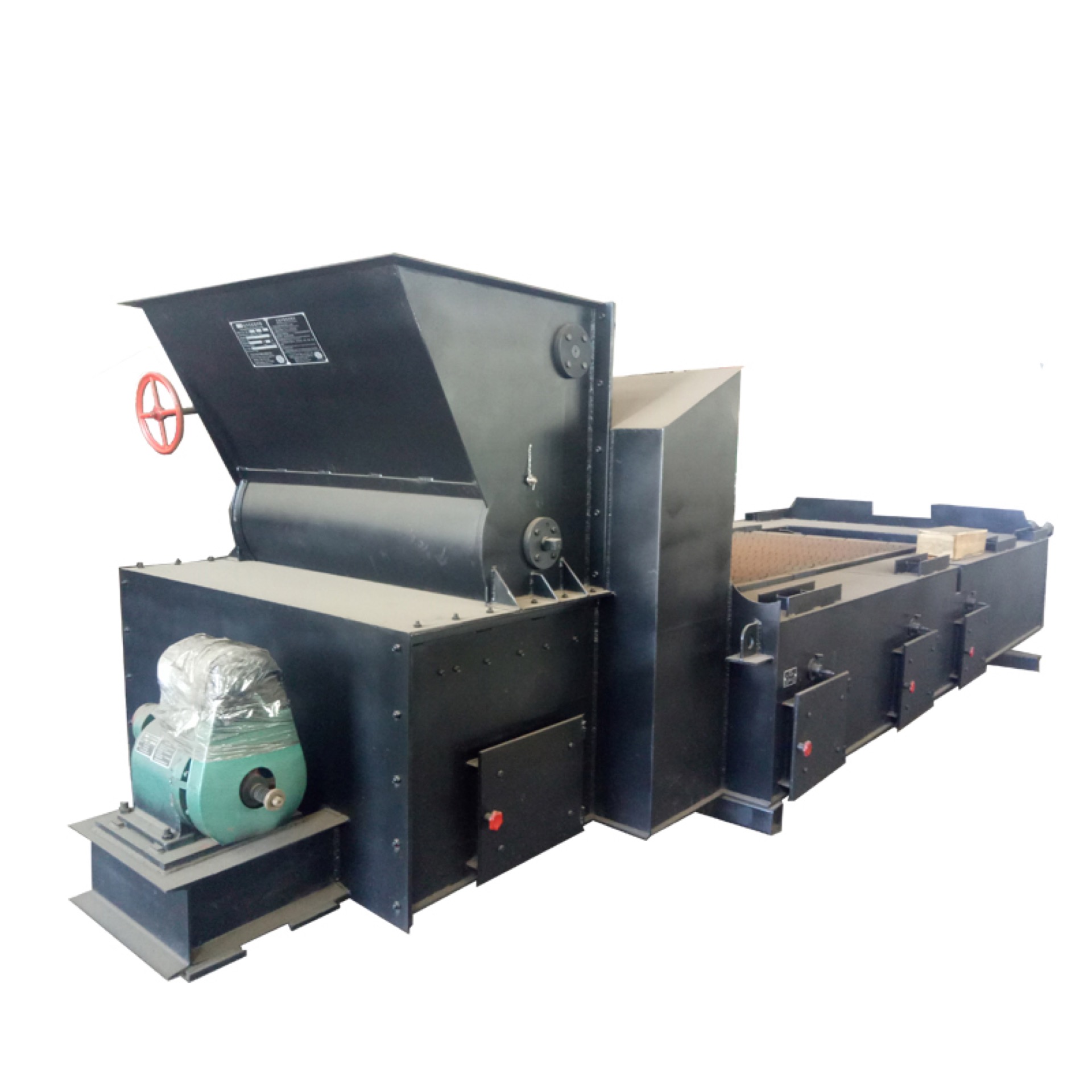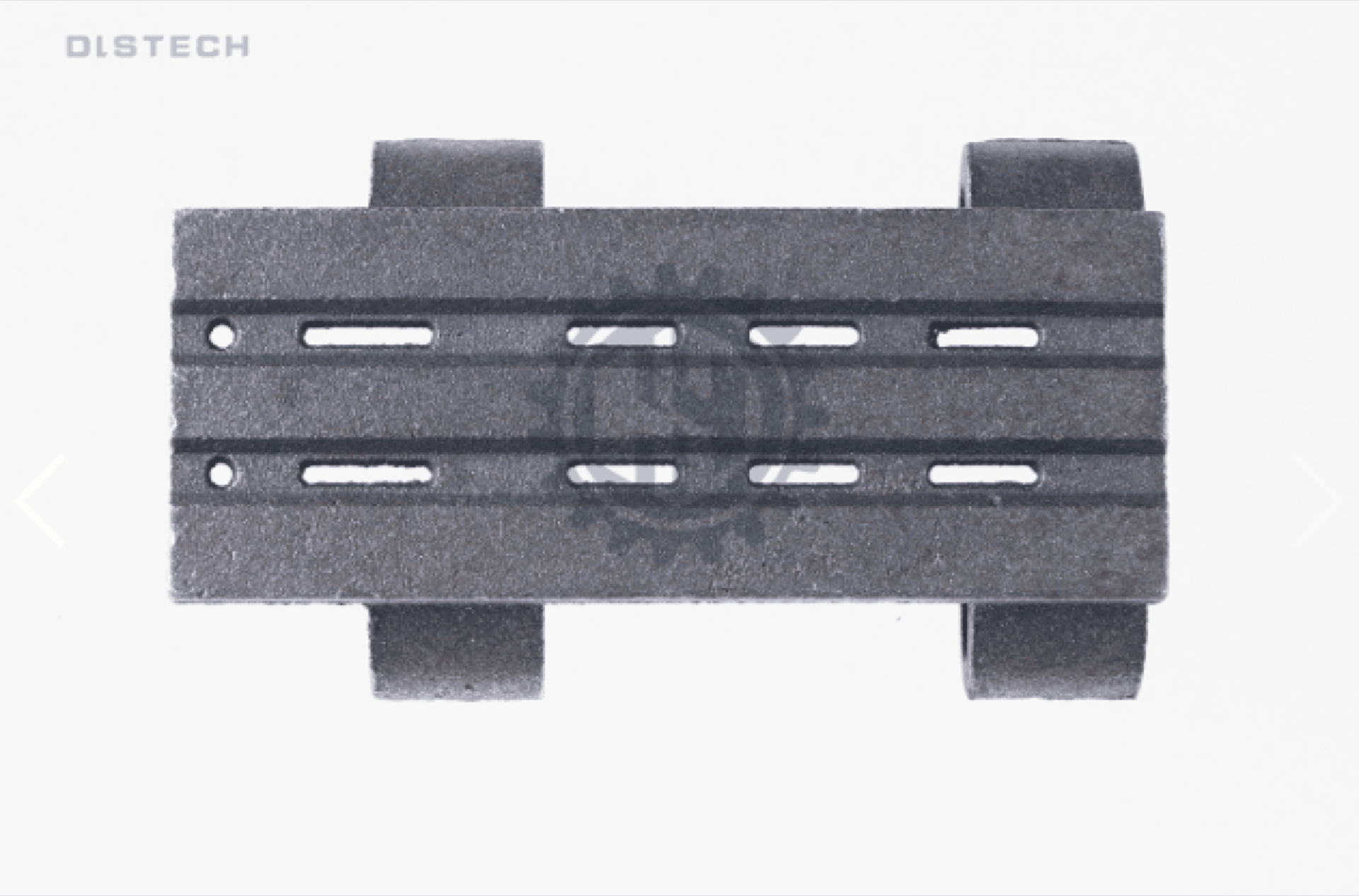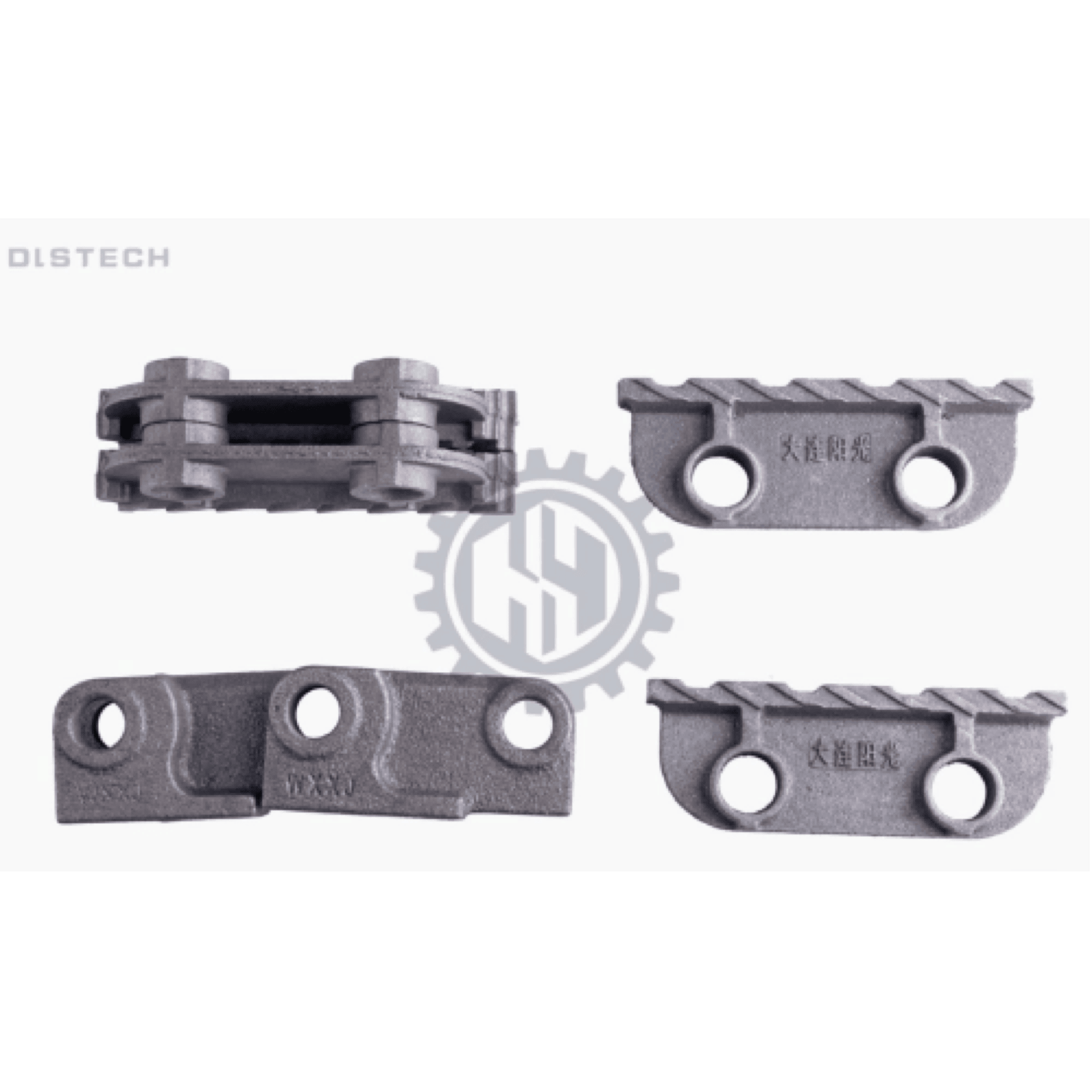

How to Determine Whether Grate Bars Need Replacement?
I. Visual Appearance Inspection
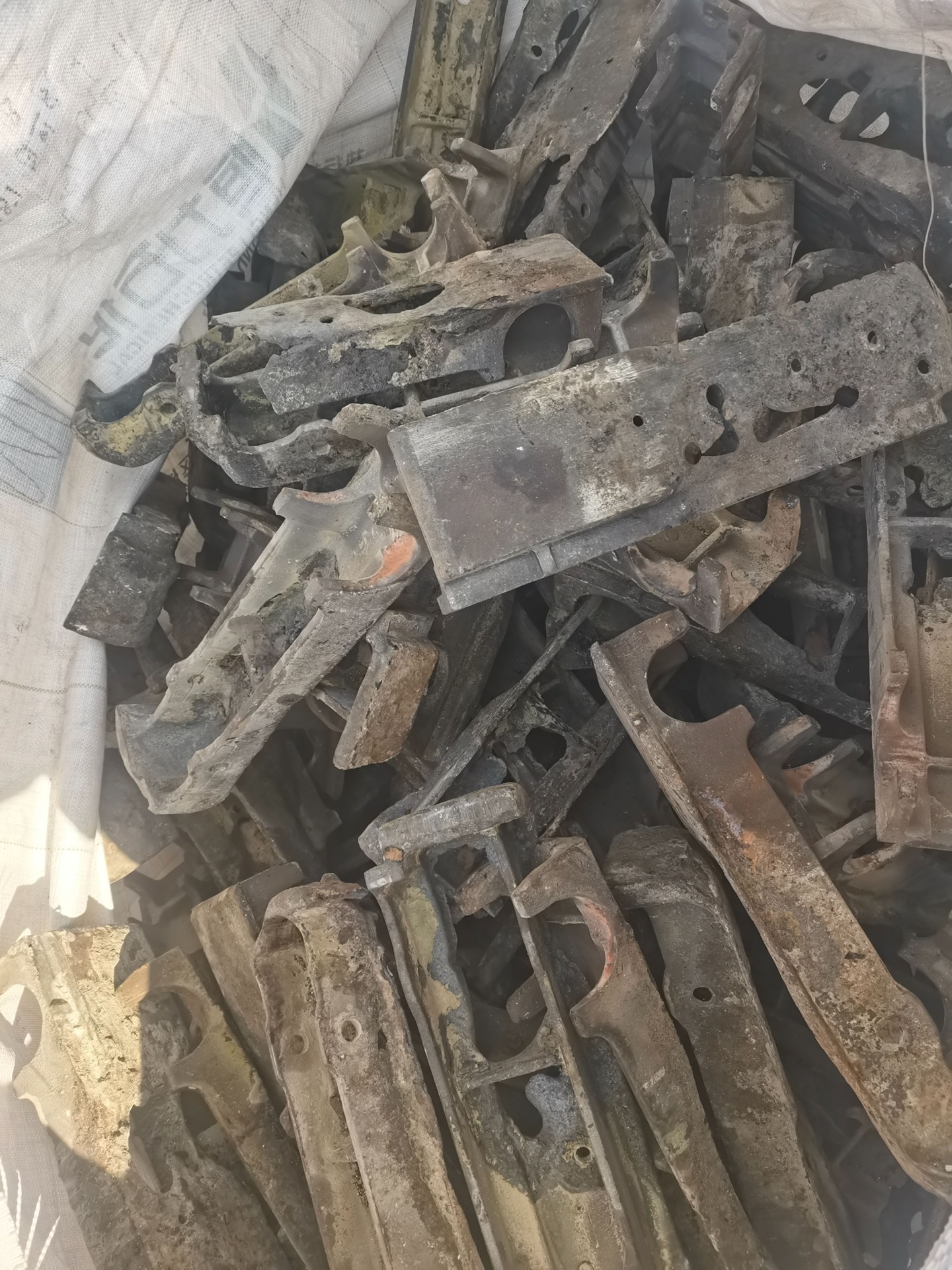
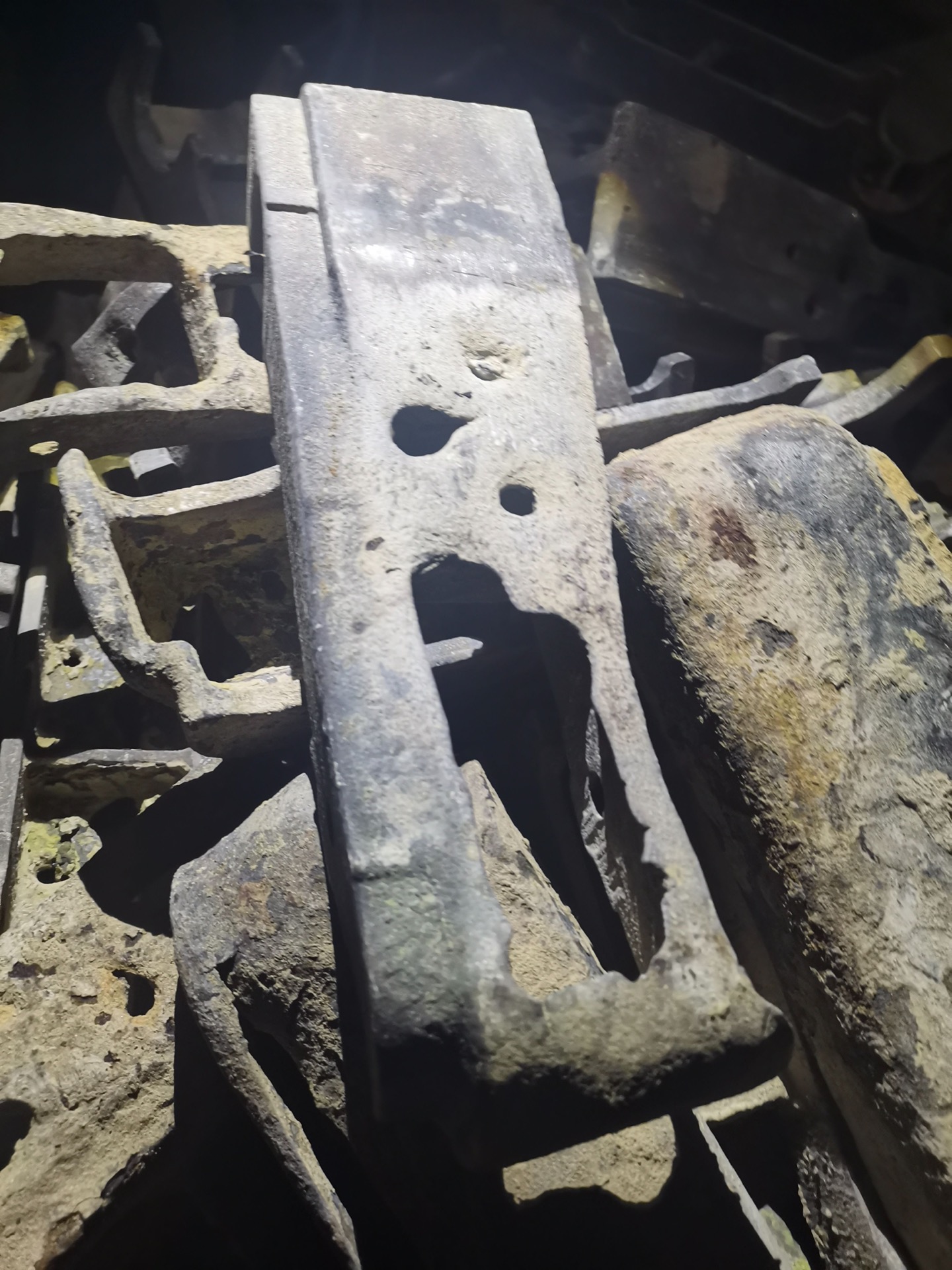
Damage, Cracks, Fracture Presence of through-cracks, large edge defects, missing teeth, perforation, burn-through, fracture, or incompleteness, unable to engage or overlap normally Dense thermal fatigue micro-cracks, repeated cracking and repair, strength already insufficient, continued use likely to cause grate jamming, bar loss, stalling, triggering blockage / chain breakage accidents Severe wear of grate bar pin holes, enlarged hole diameter, loose pin shafts, misalignment, wobbling, pin disengagement
Deformation, Warping, Elongation, Arching Overall twisting, wave deformation, arching, unevenness, significant thickness thinning, creep elongation, misaligned overlap with surrounding grates, abnormally large gaps Causes severe coal leakage, local burn-through, jamming and misalignment, scraping of furnace walls / anti-coking boxes, operational jamming and abnormal noise Chain grates have fixed pitch; permanent deformation and elongation will damage the overall grate pitch and engagement accuracy, and cannot continue to be used reluctantly
Wear, Corrosion, Oxidation Burnout, Slag Erosion Significant wall thickness reduction, honeycomb corrosion pits on surface, large-area oxidation scaling, sulfur erosion / slag erosion pitting, thickness wear exceeding limits (generally, wear exceeding 1/3 of original thickness should trigger replacement) Stubborn slag penetration into the matrix, material becomes brittle, crumbles on contact, embrittlement and aging
Surface Material Deterioration Severe material embrittlement, brittle, crumbles on contact, loss of original toughness; after repeated high-temperature aging, internal metallurgical degradation, significant strength reduction
II. Abnormal Operating Condition Signals Significant abnormal increase in coal leakage: enlarged gaps, overlap failure, large amounts of coal leaking into the air chamber, increasing fuel waste, burning out bottom components, triggering secondary combustion Abnormal grate operation noise, jamming, misalignment, vibration: jamming, scraping, abnormal increase in chain drive load, motor overload alarm, frequent tripping, even grate stalling Unstable combustion, local air leakage, uneven combustion, red flame escaping, burning of side walls / frame: uneven gaps, local excessive air leakage or flame escape, disrupting normal air distribution, abnormal furnace temperature, increased slagging Frequent fault shutdowns, repeated maintenance welding: frequent bar loss, jamming, pin shaft damage, affecting continuous boiler operation, posing safety hazards Abnormal temperature, local overheating: damaged grate causing flame escape, burning grate supports, air chamber structure
III. Dimensional / Assembly Accuracy Inspection Measure thickness, pitch, and fitting dimensions: thickness wear exceeding limits, pitch elongation exceeding limits, fitting teeth / slots failed, unable to engage normally with adjacent grates / sprockets, should be replaced Wear of active grate engagement teeth, tooth root cracks, affecting overall transmission, priority replacement
IV. Regular Inspection and Maintenance Cycle Daily inspection: visual inspection of combustion zone, both sides, and slag return section grate status per shift/day Shutdown inspection (annual inspection / medium overhaul): comprehensive disassembly, thickness measurement, flaw detection (focusing on thermal fatigue cracks, internal hidden cracks) Welding repair is limited to minor surface cracks / local defects; through-cracks, severe creep deformation, significant wall thickness reduction, overall embrittlement: repeated welding is strictly prohibited, replace directly Entire batch of aged grates: do not replace only a few scattered bars, to avoid inconsistent new/old grate thickness / pitch causing overall operational jamming Refer to boiler maintenance regulations and accessory service life: RQTSi5 medium-silicon nodular iron grate normal service life is approximately 1-3 years (depending on operating conditions); upon reaching the service life, even if appearance appears acceptable, focused sampling evaluation is required High-sulfur / high-temperature conditions will significantly shorten service life, requiring shortened inspection cycles
V. Safety Red Lines (Must Replace Immediately) Presence of through-cracks, fractures, large-area burn-through / severe wall thickness reduction Overall severe deformation, abnormal pitch, jamming and misalignment, risk of chain breakage or stalling at any time Material embrittlement, presence of large-area hidden cracks, affecting boiler safe operation
VI. Record Keeping and Management Establish ledgers: record grate replacement time, operating conditions, failure types, establish preventive replacement cycles, avoid operating with defects triggering major shutdown accidents
Summary of Judgment Principles Minor surface oxidation, small pitting, micro surface cracks: can be observed short-term or locally repaired Wall thickness wear > 1/3 of original thickness, through-cracks, severe deformation, engagement failure, persistent coal leakage / jamming: replace promptly Active grate load-bearing bar inspection standards should be stricter than ordinary static grate bars