
How to Extend the Service Life of Chain Grate Bars?
Methods to extend the service life of chain grate bars
I. Optimize Boiler Operating Conditions to Reduce Thermal Damage and Corrosion
- Control Furnace Temperature, Avoid Local Overheating and Prolonged Direct Flame Exposure Ensure reasonable air distribution and uniform air flow to avoid local insufficient air flow, slagging, prolonged direct flame exposure in fixed areas, preventing local overheating creep, thermal fatigue cracking, and burnout Reduce frequent start-stop and rapid temperature changes: try to maintain stable continuous operation, reduce frequent banking, sudden load increases/decreases, rapid cooling and heating, lowering thermal fatigue cracks caused by repeated thermal expansion and contraction Prevent slagging and slag buildup: timely slag removal to avoid prolonged slag attachment eroding the grate surface, producing sulfur/carbon penetration corrosion, while preventing slag blocks from jamming the grate causing mechanical deformation Control furnace negative pressure to reduce air leakage, uneven combustion, local flame escape burning side grates and edge bars
Improve Coal Quality and Feeding Method Minimize long-term use of high-sulfur coal, high ash, hard gangue, large hard blocks, sand and stone impurities to reduce sulfur corrosion, wear and impact damage; perform fuel preprocessing when necessary (screening, crushing, blending) Control coal particle size to avoid oversized coal blocks directly striking the grate, reducing impact damage; maintain uniform coal layer thickness to prevent local thin coal layers and grate exposure to flame Reduce excessive fine coal powder causing secondary combustion at the bottom, air chamber burnout, and high-temperature exposure of the grate bottom Reasonably blend fuels to reduce long-term erosion by corrosive flue gas (sulfides, alkali metal salts)
Adjust Grate Running Speed to Reduce Abnormal Wear and Prolonged Heat Exposure Match load to adjust grate running speed to ensure reasonable burnout position, avoiding fuel staying on the same grate section for prolonged high-temperature baking, and avoiding excessive speed causing engagement impact wear Ensure smooth grate running without misalignment, without scraping anti-coking boxes, furnace walls, or supports on both sides; regularly check grate side gaps and wear-resistant structures to eliminate scraping wear
II. Maintain Grate Body and Transmission System
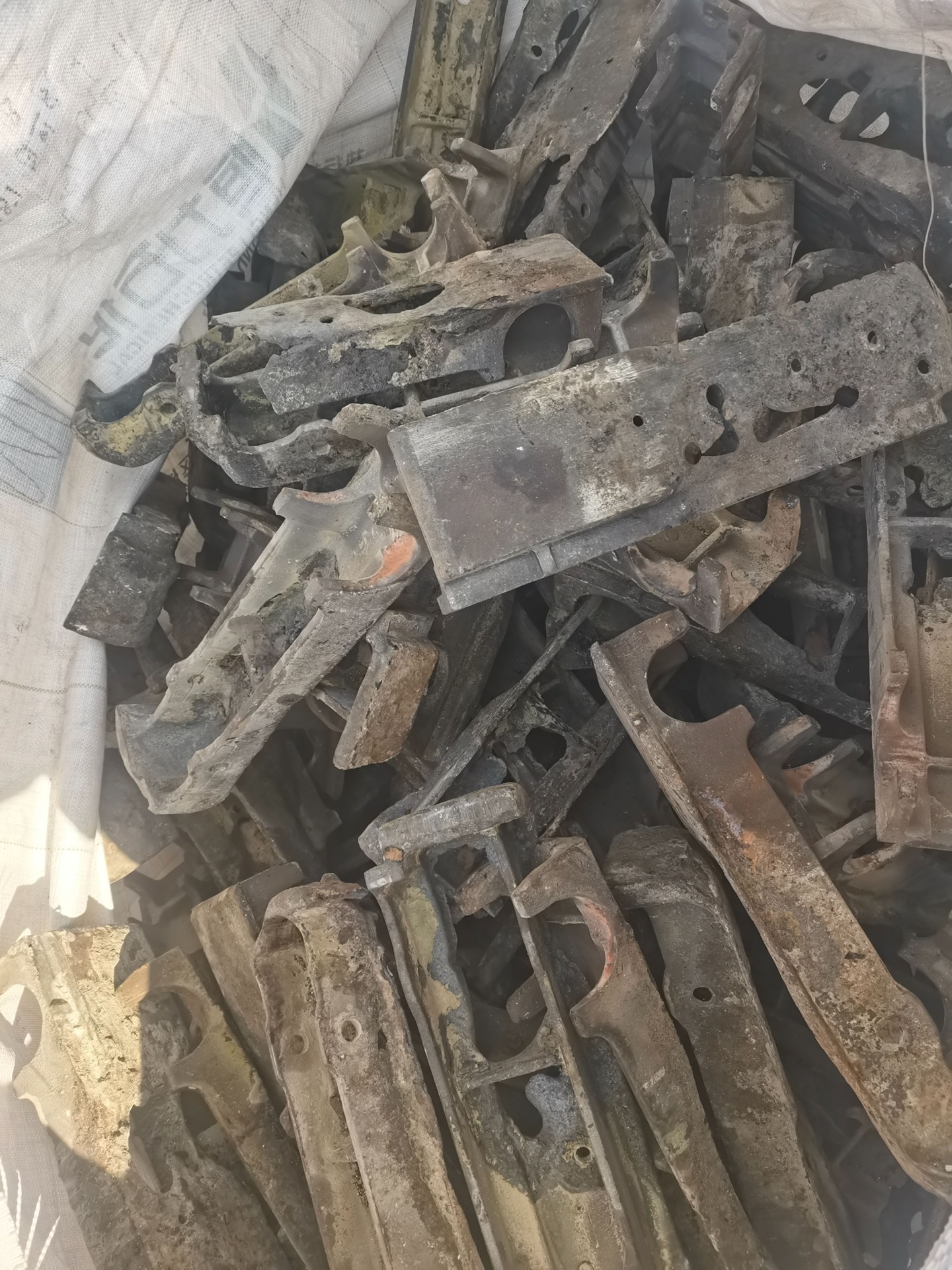
Regular Inspection, Shutdown Inspection, Preventive Replacement Daily inspection: check for cracks, deformation, wear, jamming, abnormal noise, coal leakage, focusing on combustion zone, edge bars, active engagement grate bars, and pin shaft areas Regular shutdown inspection: measure thickness, check for hidden cracks, check pitch deformation, pin shaft and pin hole wear, promptly replace degraded grate bars, do not operate with defects long-term or repeatedly weld severely damaged grates When replacing, try to use the same material and model for batch matching replacement to avoid inconsistent new/old grate thickness/pitch causing engagement abnormalities and jamming wear Regularly inspect and replace pin shafts, sleeves, chains, and sprockets to ensure consistent overall pitch and smooth engagement, reducing repeated tensile fatigue damage to active grate bars Maintain side seals and wear-resistant structures to reduce side flame escape, wear, and corrosion
Proper Lubrication and Transmission Adjustment Correctly lubricate grate main shaft, sprockets, bearings, and transmission components to reduce jamming resistance and alternating loads, lowering repeated tensile damage to active grate bars Correct grate tensioning and misalignment adjustment devices to prevent grate misalignment, arching, jamming, and local additional stress; correct sprocket engagement accuracy to reduce engagement impact wear Check air chamber air distribution: ensure uniform air volume and reasonable air pressure in each air chamber to prevent local excessive air temperature and backside grate burnout
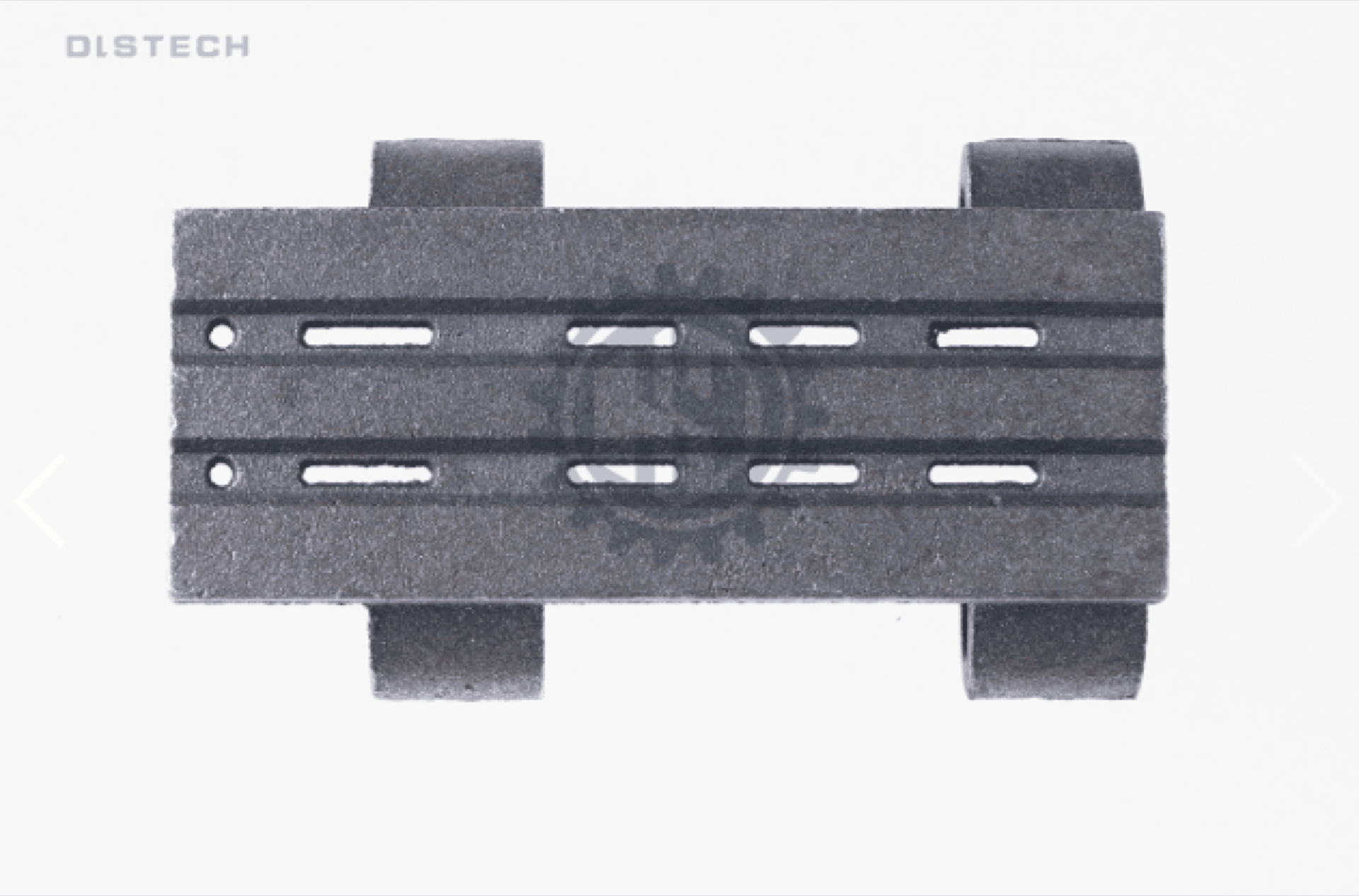
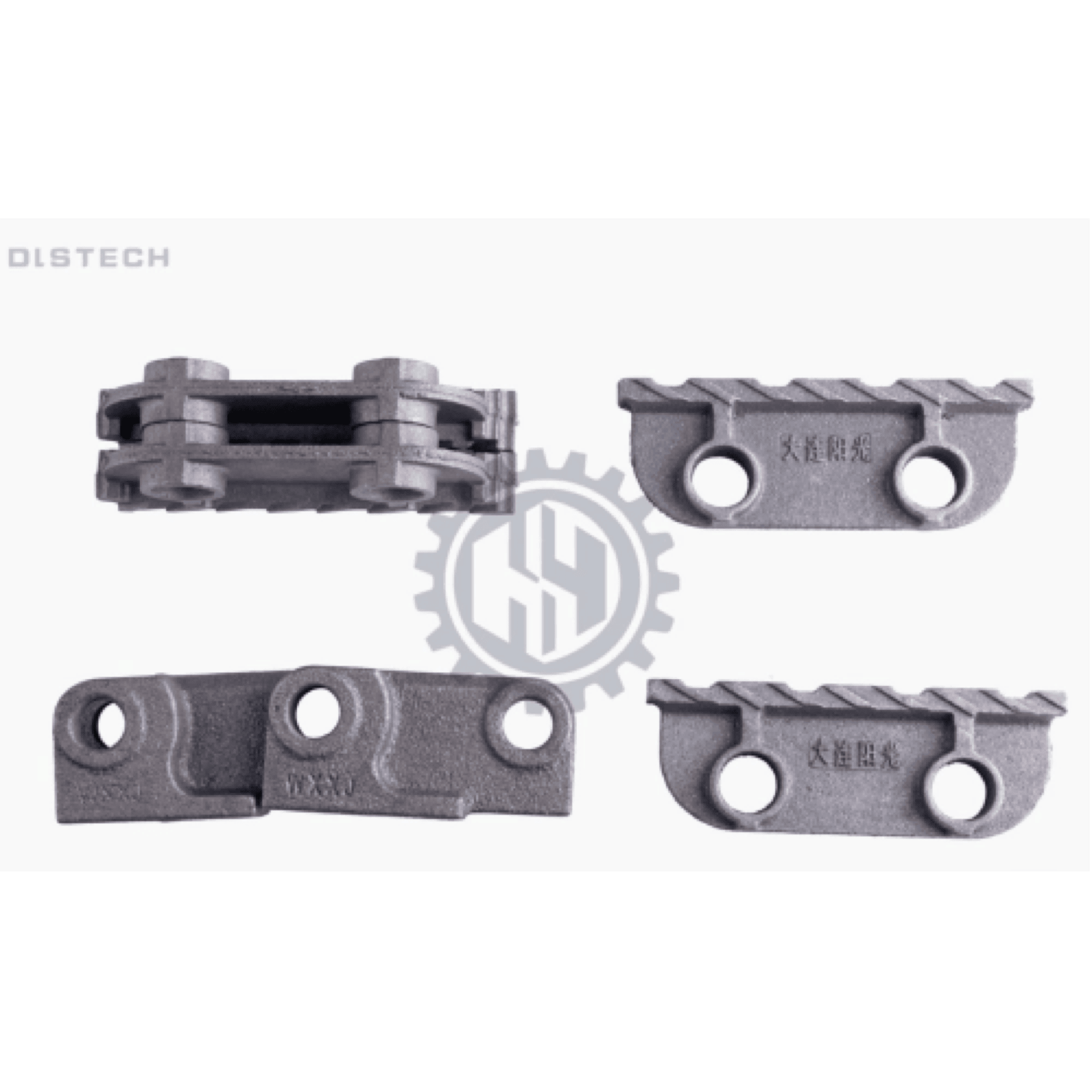
Material Selection and Accessory Quality Control Prioritize qualified RQTSi5 medium-silicon heat-resistant nodular cast iron for the main combustion zone; use chromium-series heat-resistant cast iron for high-sulfur/high-temperature conditions; use malleable cast iron (KTH) for load-bearing active bars, eliminating inferior low-price ordinary gray cast iron Accept material certificates for accessories, ensure casting quality (reduce porosity, sand holes, internal defects); conduct small-batch trial verification of service life when necessary Surface-strengthened / heat-resistant coated accessories (compliant accessories) can be appropriately selected to enhance oxidation and corrosion resistance
III. Standardize Maintenance and Repair Methods Only minor surface cracks can be repaired with compliant heat-resistant welding rods, with proper preheating/insulation to reduce welding stress cracks; through-crates, severe deformation/wall thickness reduction grates are strictly prohibited from repeated welding and continued use Shutdown cooling should follow natural temperature reduction; direct cold water spraying to rapidly cool the grate is strictly prohibited to prevent brittle cracking During long-term shutdown maintenance, clean accumulated slag and ash, keep dry to reduce moisture and acidic flue gas residue causing long-term rust and corrosion
IV. Daily Management and Personnel Operation Standards Strengthen boiler operator training to eliminate rough operation: strictly prohibit overload operation, prolonged banking and smoldering, local overheating, and blind large air volume disturbance Establish ledgers: record grate replacement cycles, failure reasons, operating parameters, develop preventive maintenance plans, avoid sudden chain breakage accidents Monitor coal leakage rate, furnace temperature, grate motor current, and promptly investigate causes when abnormal
Core Summary Reduce three major damages: thermal fatigue damage (repeated cooling/heating, local overheating), sulfur/slag corrosion damage, mechanical jamming/impact wear damage Ensure overall grate engagement accuracy, uniform air distribution, stable load operation Select correct material accessories according to operating conditions, conduct regular preventive maintenance rather than waiting for failure Focus on protecting active load-bearing grate bars and side grate bars