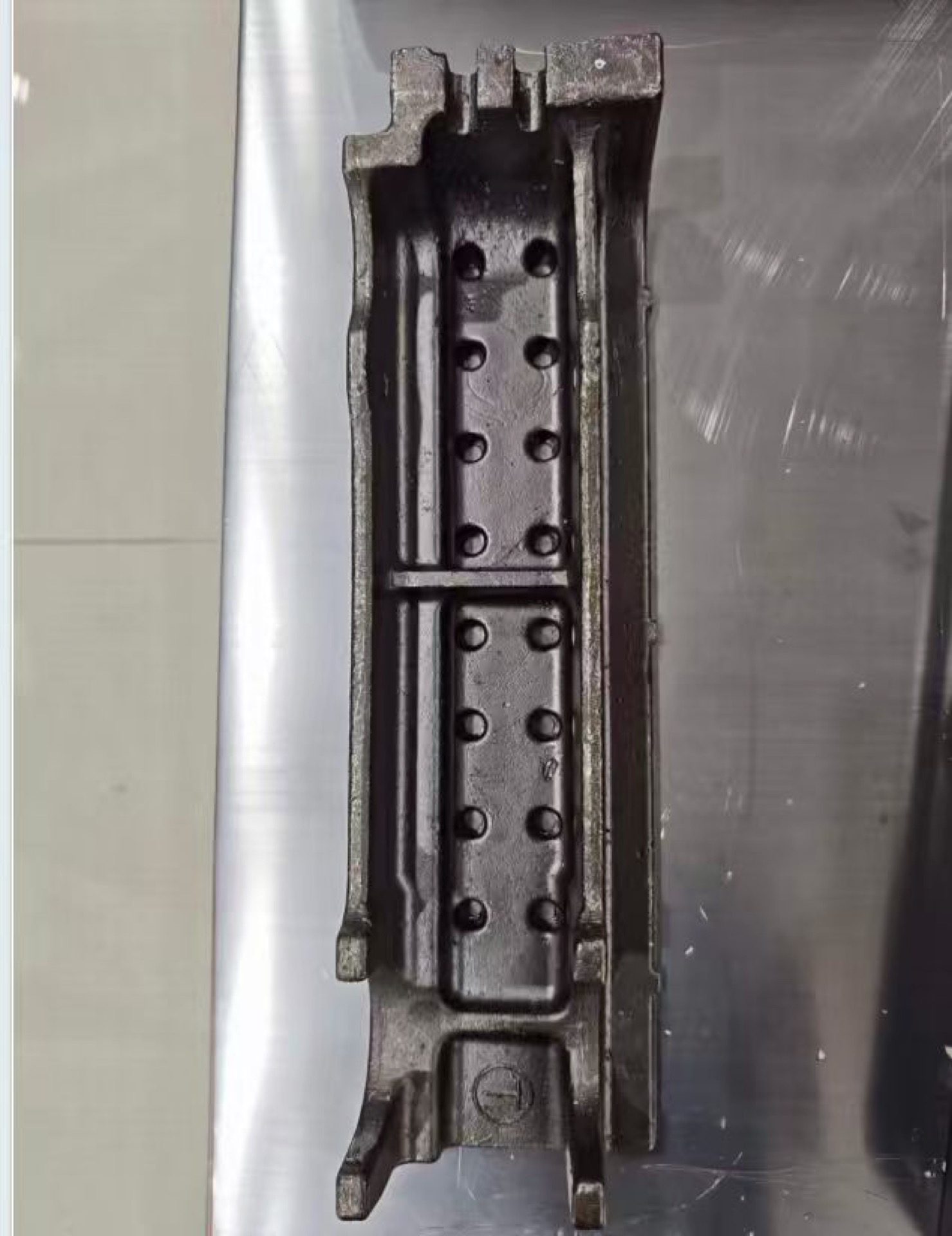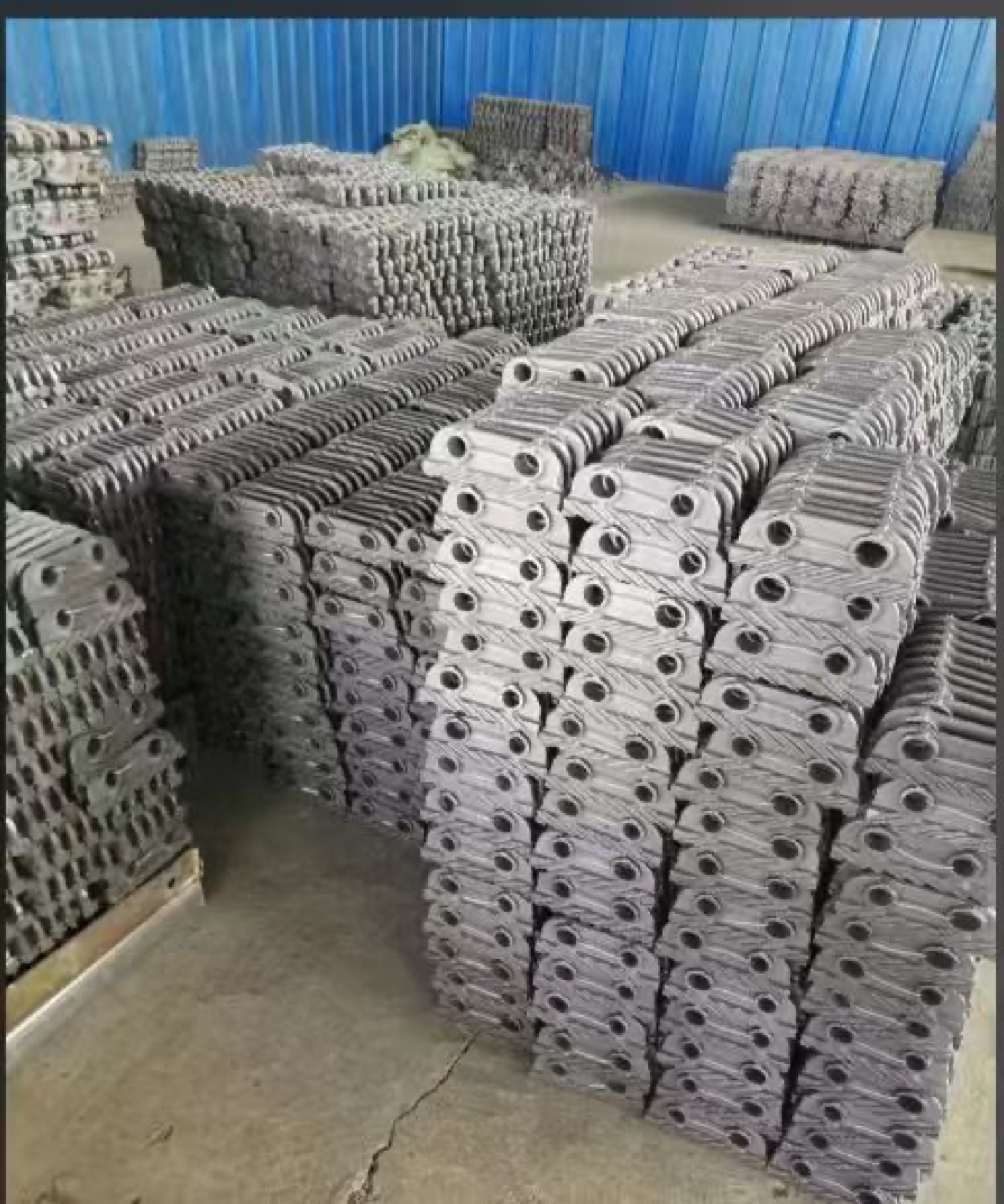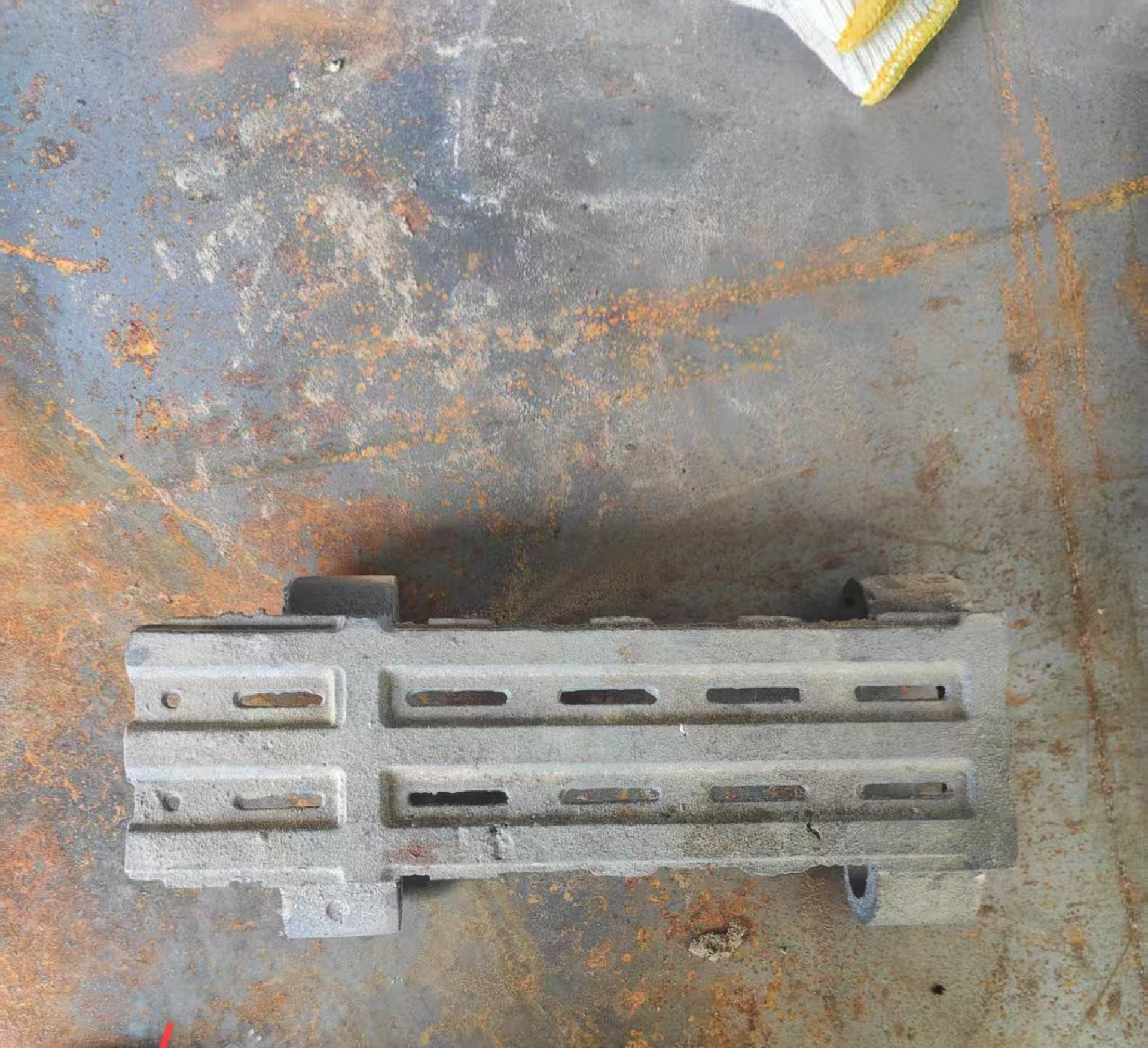

Mainstream Grate Bar Material Classification, Performance, and Application Scenarios
Core requirements for grate bars: high temperature resistance, thermal shock resistance, wear resistance, oxidation resistance, ash and slag corrosion resistance, sorted by most commonly used in industrial boilers as follows:
I. Ordinary Cast Iron Category (Preferred for low-temperature, atmospheric-pressure small coal-fired boilers, best cost-performance ratio)
Gray Cast Iron (HT150/HT200) Characteristics: lowest cost, simple casting, good thermal conductivity, self-lubricating and wear-resistant; high brittleness, poor heat resistance Long-term temperature tolerance: ≤650~700°C Disadvantages: Temperature exceeding 700°C easily causes oxidation scaling, thermal shock cracking when encountering cold water, short service life Applicable for: household heating furnaces, 1-4t small chain grates, low-temperature biomass boilers, passive grate bars (non-stressed areas)
Malleable Cast Iron (KTH350) Characteristics: toughness far superior to gray iron, not easy to brittle fracture, resistant to slight impact Applicable for: active grate bars of chain grates (subject to force transmission, pin shaft reciprocating friction areas), standard for old small-tonnage boilers
Ductile Cast Iron (QT450/QT500) Graphite is spherical, strength, toughness, and thermal fatigue resistance are superior to gray iron, heat resistance slightly improved Applicable for: medium-load reciprocating grates, biomass combustion furnaces, between ordinary cast iron and heat-resistant cast iron
II. Alloy Heat-Resistant Cast Iron (Most versatile and mainstream material for industrial coal/biomass boilers)
- High-Silicon Heat-Resistant Cast Iron (RTSi5, commonly known as Si 5) [Largest market volume]
National standard grade: RTSi5 (silicon content 4.5%
5.5%) Advantages: Dense silicon dioxide protective film generated on the surface at high temperatures, extremely strong oxidation resistance; moderate price Long-term operating temperature: 750850°C Applicable for: chain grates, reciprocating grates, biomass boilers, most coal-fired industrial boilers; standard material for single-row, four-claw, and fish-scale grates
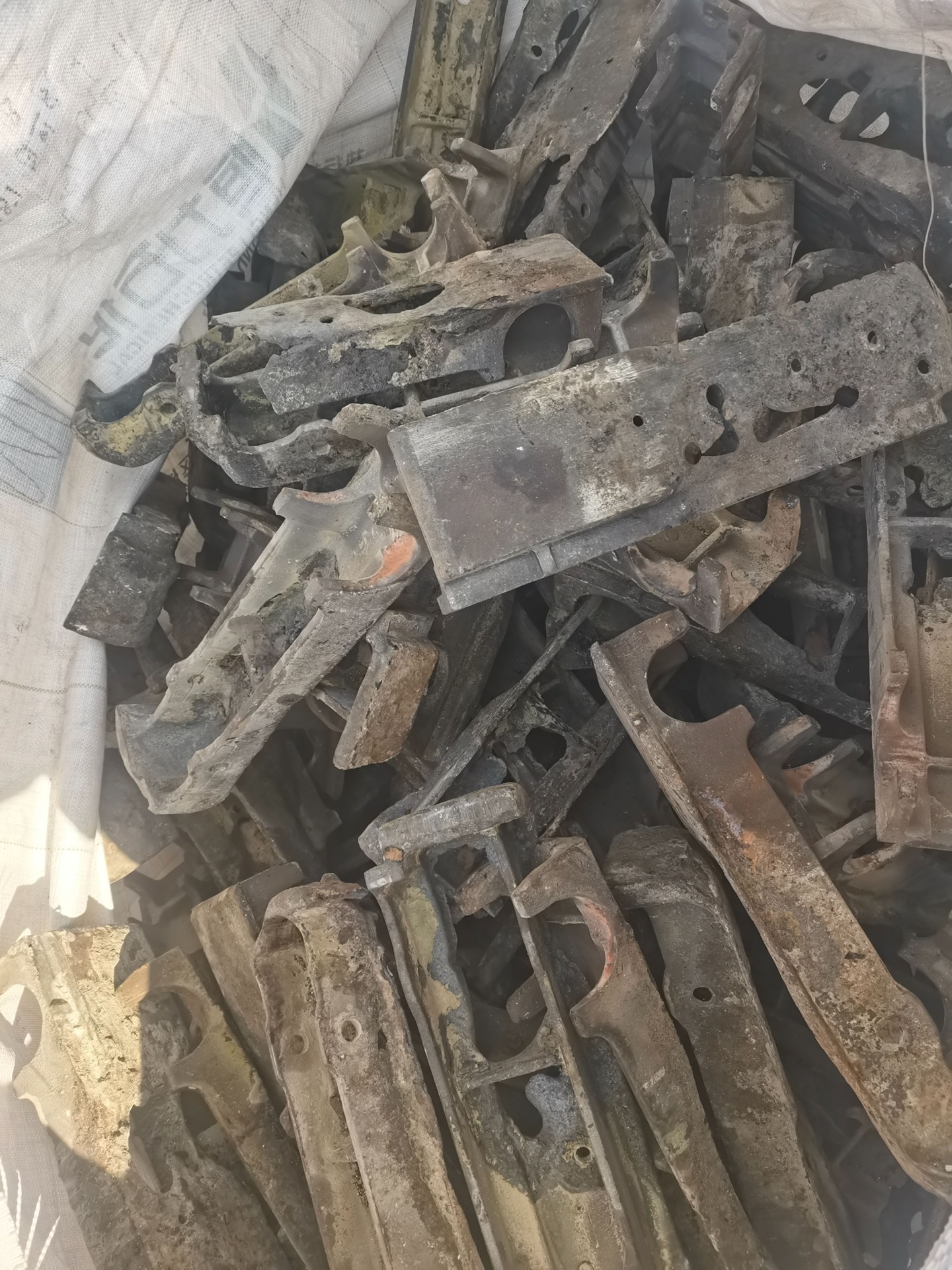
Chromium-Series Heat-Resistant Cast Iron (RTCr1, RTCr2, RTCr16) RTCr1/RTCr2: low-chromium cast iron, heat resistance slightly better than Si 5, better sulfur corrosion resistance, suitable for burning high-sulfur coal RTCr16 (High-Chromium Heat-Resistant Cast Iron): chromium 15%~18%, high temperature resistance above 900°C, top-tier oxidation and corrosion resistance Applicable for: high-temperature combustion zones, waste incineration furnaces, circulating fluidized bed auxiliary grates, conditions burning inferior high-sulfur fuels
Aluminum-Series Heat-Resistant Cast Iron (RTAl) Excellent high temperature resistance, but high brittleness, difficult casting, mostly used for high-temperature small furnaces, low popularity
III. Cast Steel Material (Heavy-duty, high-temperature, frequent reciprocating motion conditions)
Ordinary Carbon Cast Steel (ZG230-450) Excellent toughness, impact resistance, not easy to fracture, average wear resistance, high temperature prone to oxidation and deformation Applicable for: reciprocating grate movable bars, heavy-duty beam grates, waste incineration turning grates (subject to repeated pushing and pulling forces)
Heat-Resistant Alloy Cast Steel (High-Chromium Cast Steel, 1Cr18Ni9 Stainless Steel Cast Steel) High temperature resistance 950~1100°C, strongest resistance to acid, alkali, flue gas corrosion, wear, and slag pulling Disadvantages: most expensive Applicable for: municipal solid waste incineration furnaces, hazardous waste incineration furnaces, high-temperature large power plant boiler grate bars
IV. Niche Special Materials High-chromium white wear-resistant cast iron: focuses on wear resistance, average high temperature resistance, mostly used for side wear-resistant guard plates of grates Compacted graphite cast iron: balances thermal conductivity + strength, rarely used for main grate body