
What Is the Difference Between Chain Grates and Biomass Reciprocating Grates?
I. Structural Form
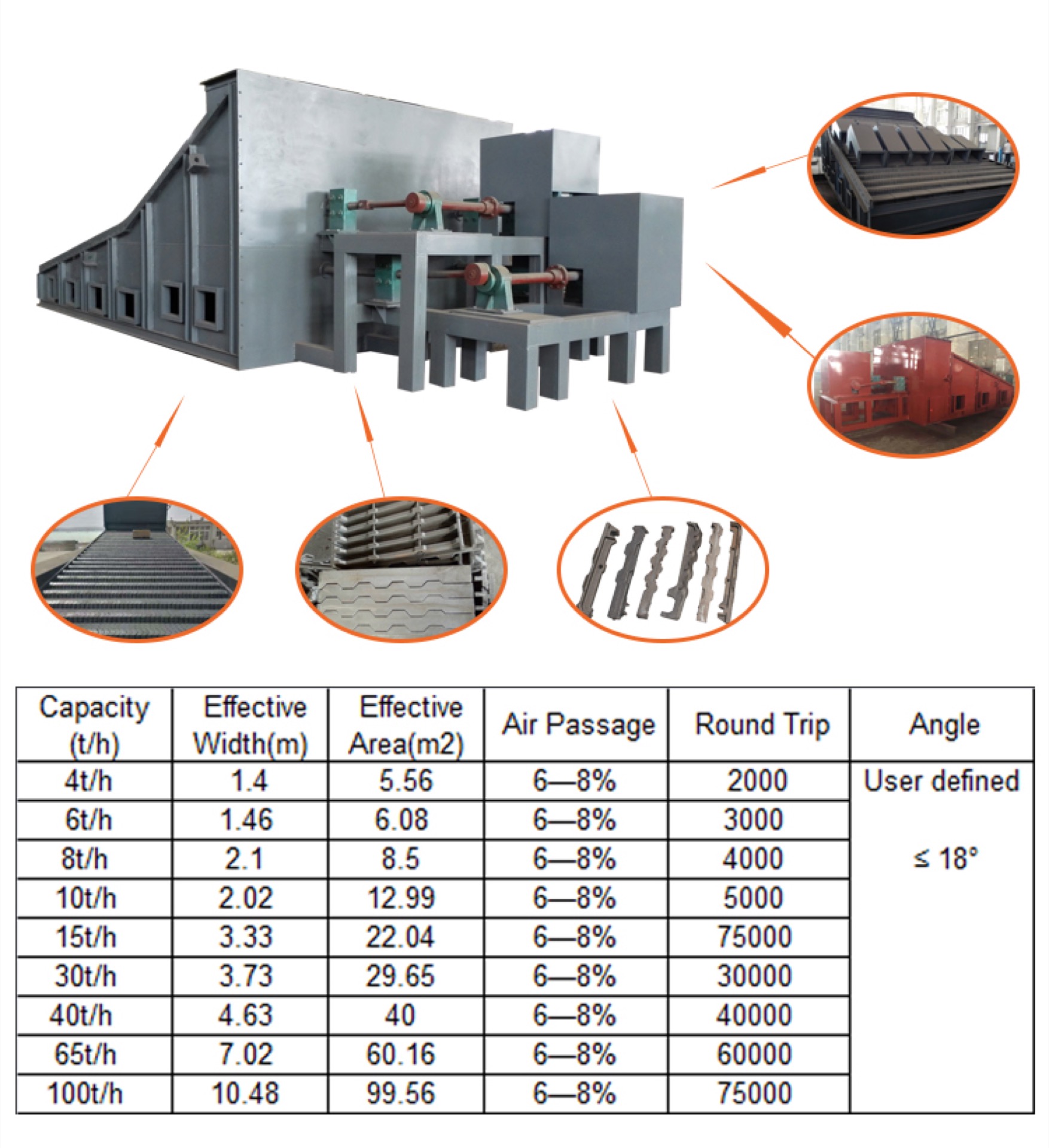
Chain Grate Overall continuous ring chain structure, the entire grate runs synchronously at a uniform speed, the relative position between grate bars is basically fixed, no mutual sliding disturbance Structure: driving sprocket, chain, driven drum, entire continuous grate bar, overall circulation and rotation; divided into light/medium/heavy chain grates Air distribution: bottom sectional air chambers, but the material layer itself does not actively turn Layout: basically horizontal/slightly inclined, no stepped misalignment structure
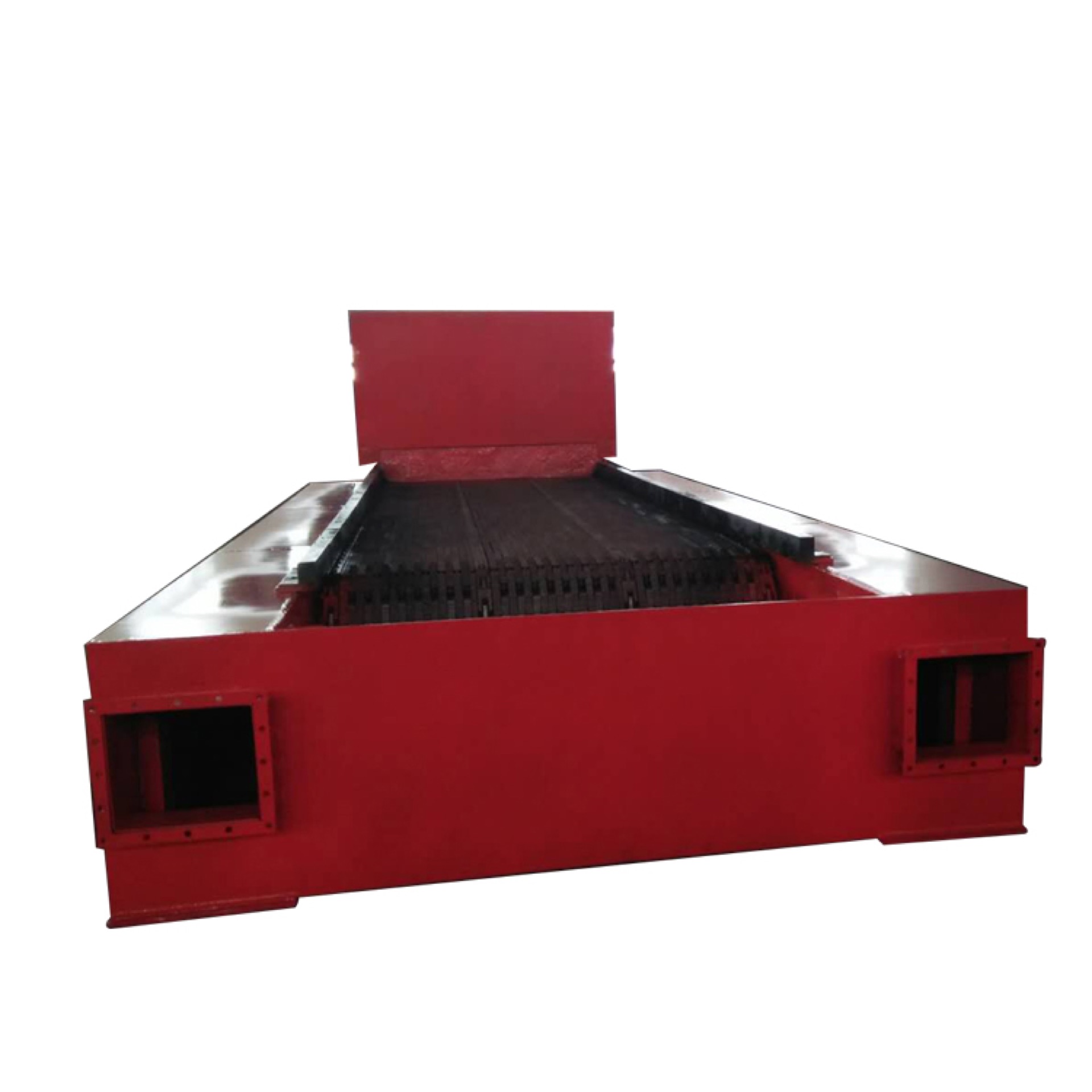
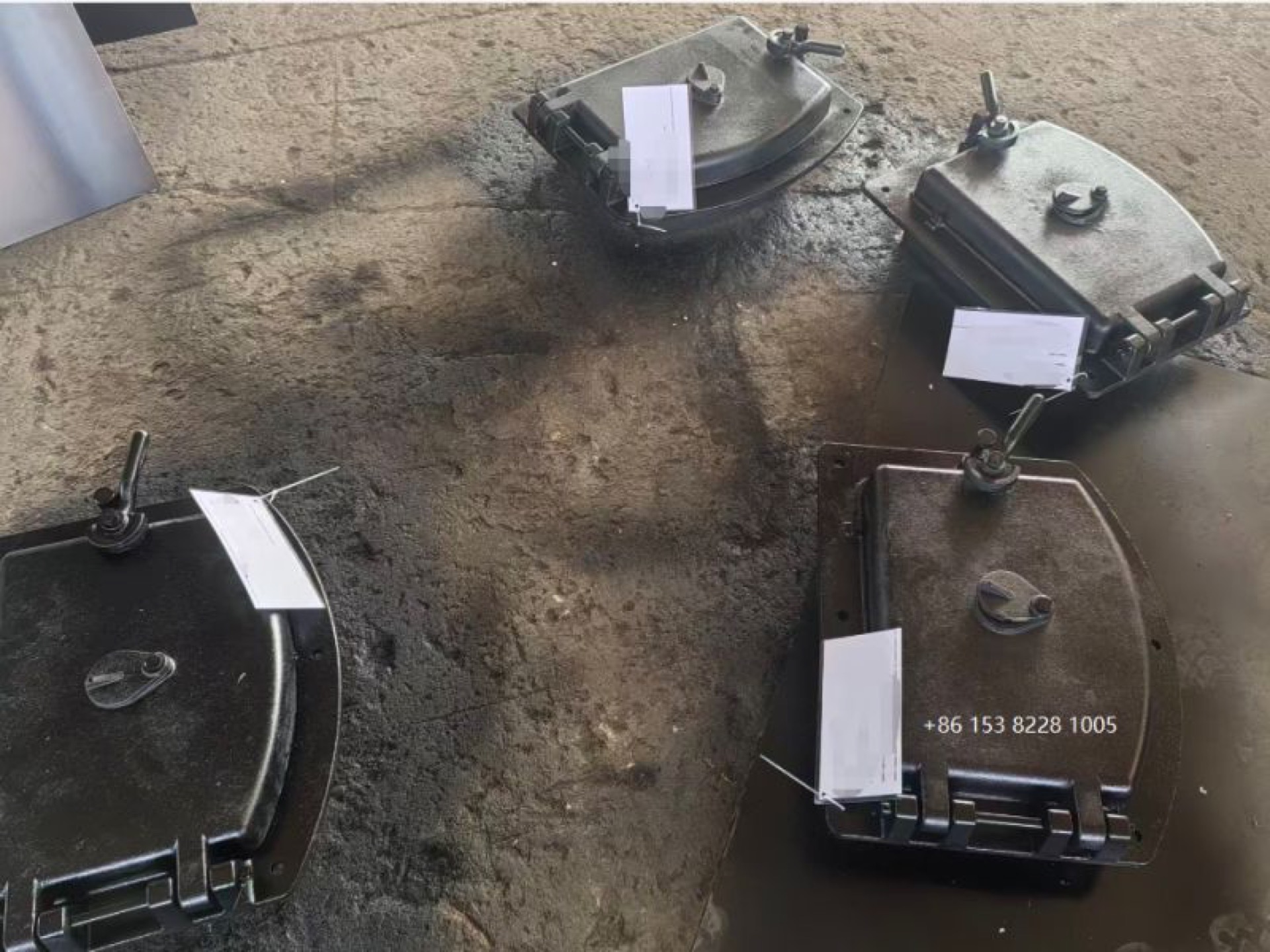
Biomass Reciprocating Grate Staggered arrangement of fixed grate bars + movable grate bars (stepped), relying on crank/hydraulic drive to make movable grate bars do front-back reciprocating sliding motion Structure: fixed bracket, reciprocable push rods, sectional grate bars, independent multi-chamber air chambers, reciprocating drive mechanism, continuous relative misalignment and stepped undulation between grate bars Layout: overall inclined stepped structure, divided into drying zone, main combustion zone, burnout and slag removal zone
II. Fuel Convection and Combustion Mechanism
Chain Grate Fuel moves slowly forward with the grate as a whole, the material layer itself is basically stationary, passive combustion, no active material turning Combustion characteristics: bottom fuel ventilation is acceptable, surface prone to slagging and coking, permeability deteriorates; high moisture/long fiber fuel prone to smoldering, slagging, incomplete combustion Combustion sequence: front drying → middle combustion → tail burnout, relying on air distribution adjustment, material layer structure unchanged Suitable for: uniform particle size, dry, stable quality raw coal and other conventional solid fuels
Biomass Reciprocating Grate Relying on reciprocating misalignment, while slowly pushing fuel backward, continuously stirring, kneading, and crushing the material layer and coke shell, actively breaking up slagging and improving overall permeability Combustion characteristics: suitable for high moisture, long fiber, fluffy, strong slagging tendency biomass fuel (wood chips, straw, bark, rice husks), accelerating drying, volatile combustion, reducing smoldering Sectional precise air distribution adapted to biomass: strong air drying in early stage, middle section adapted to volatile combustion, tail ensuring residual carbon burnout Not suitable for pure fine powder fuel, prone to flame escape, local overheating
III. Fuel Adaptability
Chain Grate ✅ Suitable for: uniform particle size, low moisture, low volatile content, well-formed raw coal, clean formed fuel ❌ Shortcoming: high moisture, long fiber, fluffy mixed biomass extremely prone to coking, ventilation deterioration, poor burnout, serious air and coal leakage Anti-slagging ability: poor, no self-turning capability
Biomass Reciprocating Grate ✅ Suitable for: high moisture, long fiber, irregular shape, low calorific value agricultural and forestry biomass waste (wood chips, straw, bagasse, palm shells, etc.) ❌ Shortcoming: pure fine powder fuel, excessive hard impurities, ultra-high calorific value fuel, prone to local burnout, slag jamming Anti-slagging ability: excellent, reciprocating disturbance continuously breaks up coke
IV. Operation Adjustment Method
Chain Grate Adjustment means: overall running speed, coal layer thickness, primary air ratio Material disturbance: almost no disturbance; thermal cycling mainly comes from overall furnace conditions, thermal fatigue is relatively uniform Load response: suitable for stable continuous full-load operation, frequent start-stop prone to overall deformation, elongation, misalignment
Biomass Reciprocating Grate Adjustment means: reciprocating stroke, reciprocating frequency, independent primary air volume in each zone, feeding speed Material disturbance: continuous reciprocating sliding, alternating stress, grate bears mechanical friction + repeated thermal stress + biomass alkali/chlorine/sulfur corrosion Load response: adapted to variable load, heating/drying fluctuation conditions, can precisely match biomass drying and combustion rhythm
V. Wear, Life, and Maintenance Characteristics
Chain Grate Wear areas: active engagement grate bars, sprocket and chain, overall friction is relatively low Corrosion: mainly high-temperature oxidation, sulfur corrosion, no continuous sliding wear Life: overall life is long; main failure modes: creep elongation, misalignment, thermal deformation, overall pitch mismatch Maintenance: cycle is long, mainly overall chain correction, chain and active bar replacement; daily maintenance is relatively low
Biomass Reciprocating Grate Wear areas: contact surfaces of movable/fixed grate bars, push rods, pin shafts, side sealing areas, continuous reciprocating sliding friction Corrosion: in addition to high-temperature oxidation and sulfur corrosion, there is also biomass alkali metal/chloride salt high-temperature corrosion, material degradation is faster Life: local grate life is shorter, failure modes: wear, cracks, alkali corrosion, slag jamming Maintenance: significantly higher, requiring frequent inspection of grate gaps, transmission mechanisms, side sealing, and replacement of damaged grate bars
VI. Air and Slag Leakage and Sealing Performance
Chain Grate Overall continuous structure, overall sealing is good; main coal leakage is from grate bar gaps and both sides, overall air leakage is controllable Side leakage and flame escape problems are relatively light
Biomass Reciprocating Grate There are dynamic sliding gaps between fixed/movable grates, side sealing is difficult, prone to slag leakage, flame escape, local air leakage, affecting thermal efficiency, side grates are prone to burnout
VII. Cost and Applicable Boiler Types
Chain Grate Equipment cost: overall mature, moderate cost per unit output, mostly used in coal-fired industrial boilers, large and medium-sized stable heat source boilers Core objective: long-term stable coal-fired operation
Biomass Reciprocating Grate Equipment cost: including reciprocating drive, sectional air distribution, heat-resistant alloy grate, higher cost; mostly used in small and medium-sized biomass boilers, thermal oil boilers, heating/drying boilers Core objective: processing inferior agricultural and forestry biomass fuel